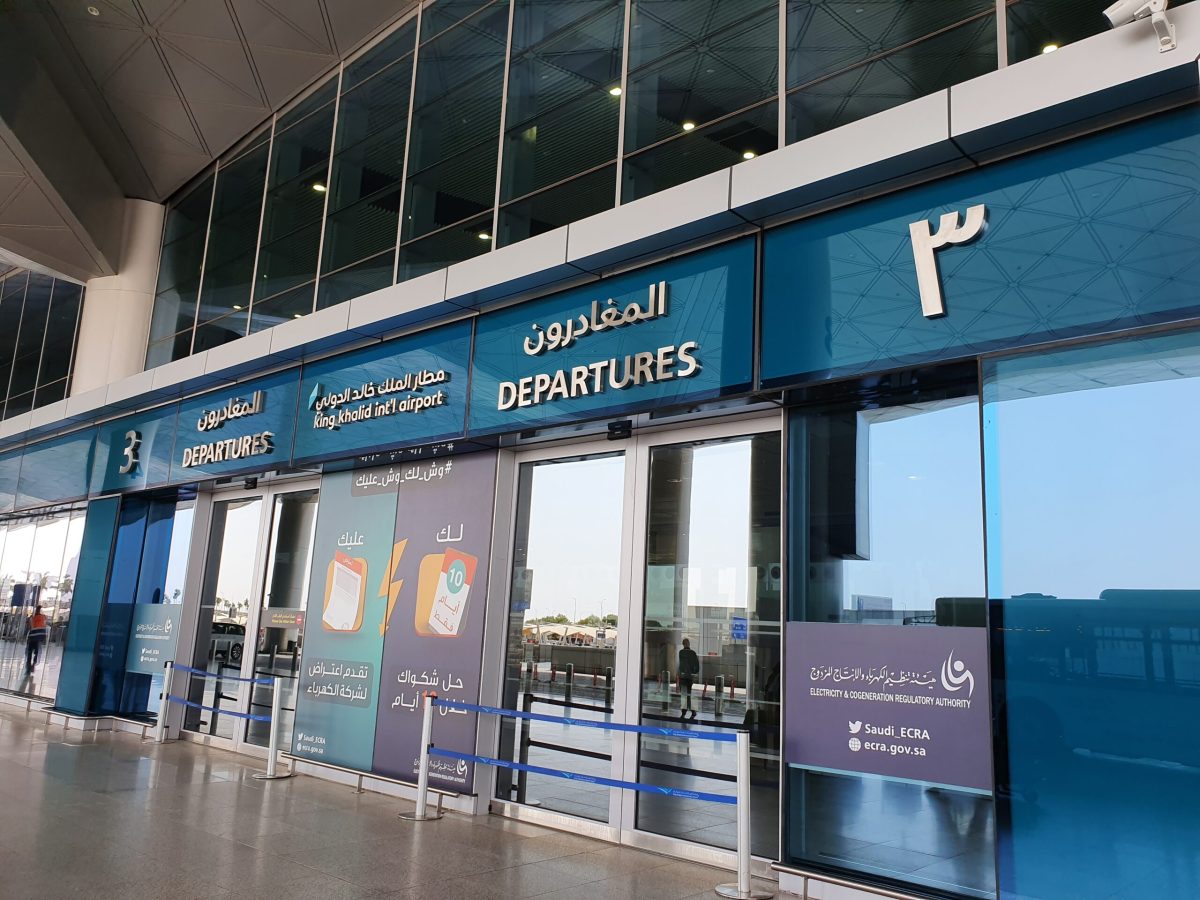
The skies over Saudi Arabia have turned tense. A series of attacks on King Khalid International Airport in Riyadh, claimed by Yemen's Houthi rebels, has forced airlines around the world to pull their flights. The airport, a major hub for the region, has seen operations suspended repeatedly over the past week, leaving travelers scrambling for alternatives.
The Houthis, who are aligned with Iran, have launched four separate attacks on the airport in under a week. One of these strikes is being called the deadliest in Saudi Arabia in over a decade. The group has openly warned people against traveling to the country, and Saudi aviation authorities have temporarily shut down the airport for security reasons. As a result, all flights to Riyadh have been either suspended or diverted.
Governments are also stepping in. The United Kingdom, the United States, Australia, Germany, and Canada have all updated their travel advisories, urging citizens to avoid non-essential travel to Saudi Arabia. The warnings come as the security situation remains fluid and unpredictable.
Airlines React Quickly
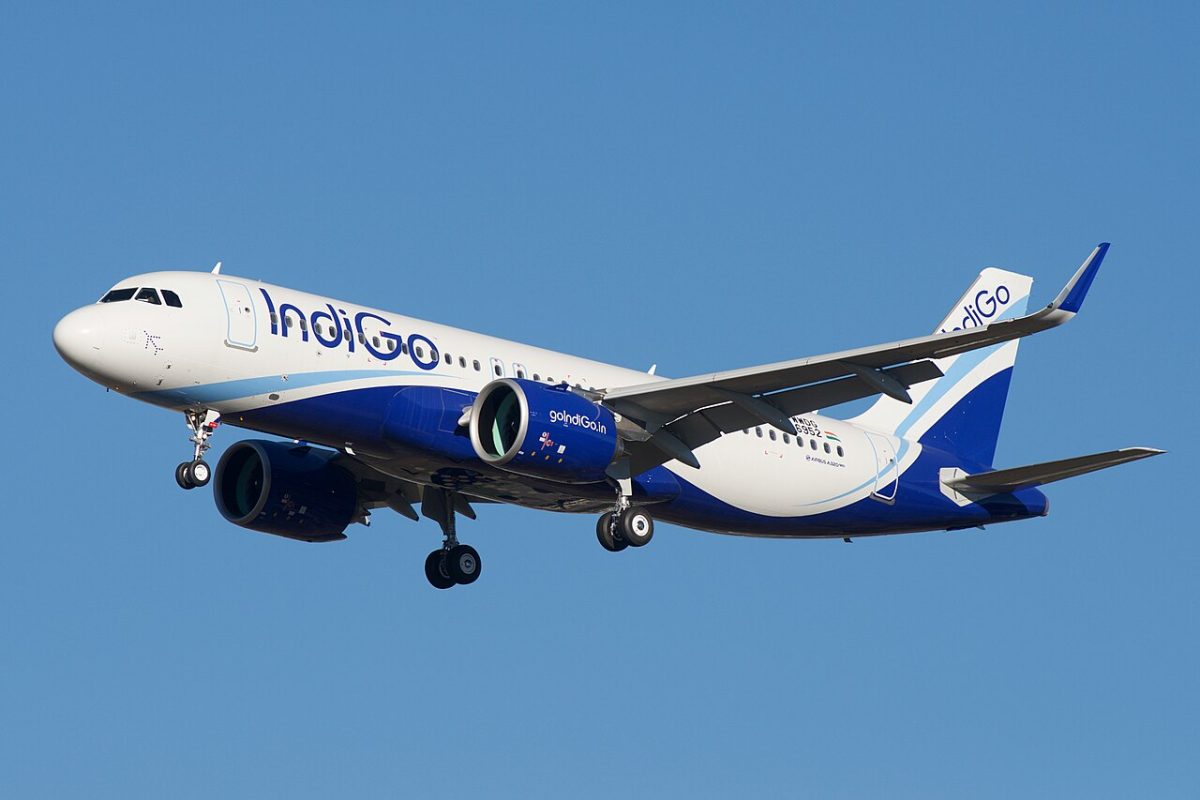
Lufthansa Group was among the first to respond, suspending all flights to Riyadh from October 8 to 16. Whether that suspension will be extended depends on whether the airport reopens as planned. India's IndiGo, Air India, and Akasa Air also moved fast. IndiGo plans to resume once the airport reopens, while Air India and Akasa Air have halted flights until October 14 and 13, respectively. Akasa Air has extended its suspension to include Jeddah as well, and is offering full refunds or free rescheduling for affected passengers.
European carriers have followed suit. Air France has canceled flights to and from Riyadh until October 24, British Airways until November 3, and KLM until October 24. Cathay Pacific has pulled its Riyadh passenger flights until January 31, and Singapore Airlines has no non-stop flights planned until March 28, 2027. U.S. airlines have been told to exercise caution when flying over Saudi airspace.
What the Regulators Say
The European Union Aviation Safety Agency (EASA) issued an updated advisory on October 9, warning of the risks posed by missile and drone attacks. The agency noted that the activation of air-defense systems increases the chance of misidentifying civilian aircraft, and that falling debris from interceptions adds another layer of danger. OPSGROUP, a global network of flight operations professionals, went further, issuing a 'do not fly' warning for Saudi Arabia entirely, including using Saudi airports as alternates.
For travelers, the situation is a logistical headache. If you have a booking to Riyadh, check with your airline immediately. Most carriers are offering refunds or rebooking options, but policies vary. The airport's closure is temporary, but the uncertainty is real. As the attacks continue, more airlines may extend their suspensions.
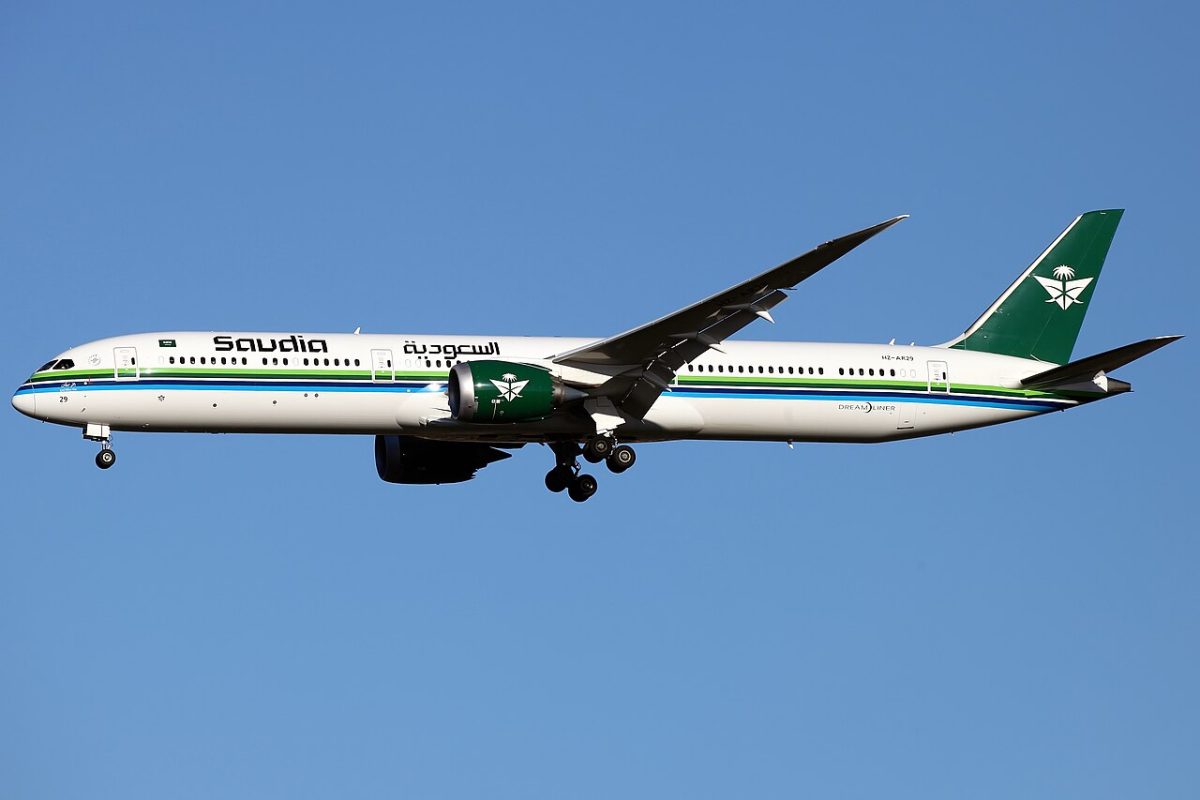
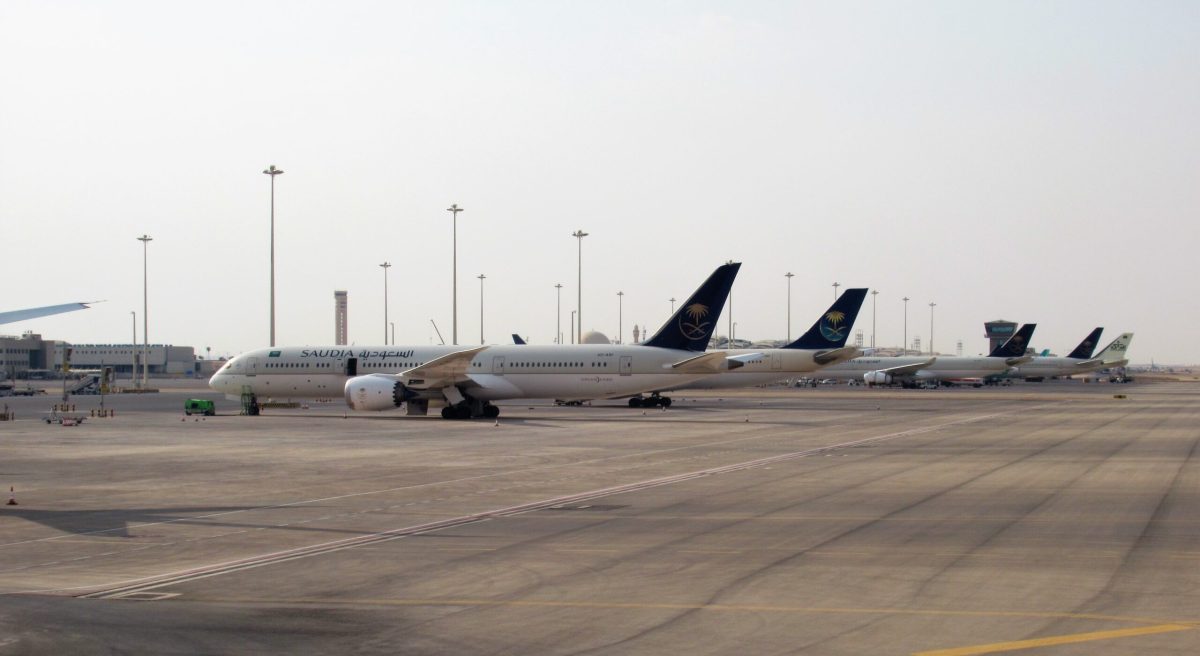
This is not the first time Riyadh's airport has come under fire. Our earlier coverage of the Houthi strikes entering a fifth day and the attack that left a Saudia jet in flames shows how quickly the situation escalated. For now, the advice is clear: avoid travel to Saudi Arabia unless absolutely necessary, and stay tuned to official updates.
If you're planning a trip to the region, consider alternative destinations or flexible bookings. The best days to book holiday flights might help you save, but flexibility is key when the geopolitical landscape shifts overnight. And for those already in the air, the future of smarter air travel can't come soon enough.