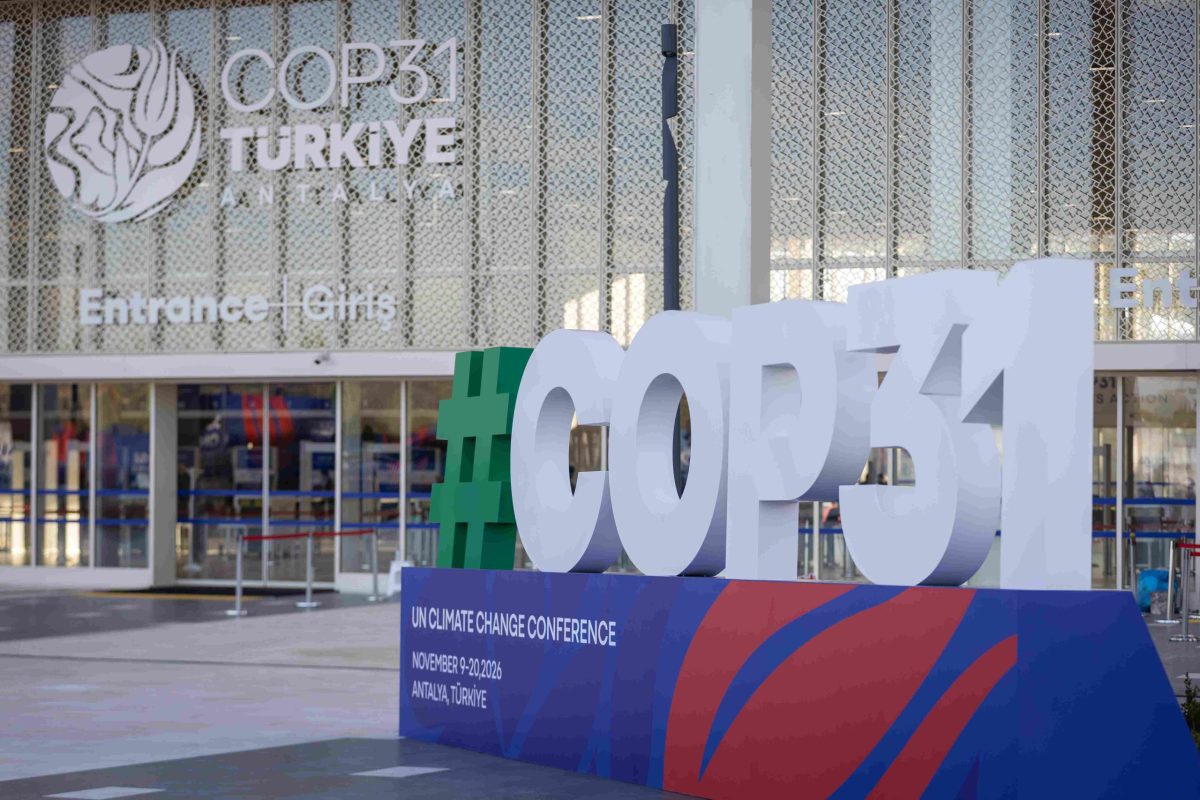
For two weeks starting November 9, 2026, the Turkish coastal city of Antalya becomes the center of the planet's most consequential conversation. COP31, the United Nations' annual climate summit, brings together heads of state, scientists, business leaders, and activists. The stakes are brutally clear: 2026 is on track to be another year that blows past the 1.5°C warming threshold set in the Paris Agreement.
This year's summit has a different feel from previous ones. Australia is leading the negotiations alongside Pacific island nations, many of which are already seeing their homelands threatened by rising seas and intensifying storms. That urgency is shaping the agenda. The UN's top climate adviser, Selwyn Hart, has said he's running a personal campaign to rename the Action Agenda the Implementation Agenda. The message is simple: enough talking, start doing.
The centerpiece of this push is something called the Climate Implementation Bridge, or BRIDGE. Developed under the COP31 Presidency, it aims to channel investment and build capacity where countries are struggling to turn plans into reality. Partnerships between governments, development banks, climate funds, and the private sector are meant to drive this forward. Whether it works remains to be seen, but the shift from pledges to implementation is the defining theme of COP31.
Oceans Take Center Stage
With Australia and Pacific islands leading, it's no surprise that oceans are a major focus. The ocean absorbs about 25% of carbon emissions and more than 90% of the excess heat from climate change. Blue carbon ecosystems like seagrass meadows, salt marshes, and mangroves are set to become part of national climate strategies. The COP31 Action Plan explicitly prioritizes support for coastal communities facing sea-level rise and erosion. Expect to hear a lot about protecting these natural carbon sinks, alongside forests and rangelands.
This isn't just about carbon accounting. For many Pacific nations, it's about survival. The link between ocean health and climate action is direct, and the summit's agenda reflects that. If you're wondering how this connects to travel, consider that coastal destinations worldwide are already feeling the effects of changing ocean conditions.
Waste and Green Industry
Another key theme is waste. It's the third largest source of anthropogenic methane, responsible for 30% of global warming since the Industrial Revolution. COP31 aims to promote circular economy solutions to cut waste emissions in half by 2035. That means designing products for reuse, improving recycling, and reducing food waste.
Green industrialization is also on the table, especially for developing nations. Hard-to-abate sectors like steel, cement, chemicals, aluminum, and fertilizers are being pushed toward near-zero emissions while maintaining economic competitiveness. This is a delicate balance, but one that's essential for global progress.
Food, Health, and Cities
The action plan also covers climate-resilient cities, food systems, and health. Around 318 million people face food insecurity due to climate shocks, yet food systems receive only 4% of climate finance. Meanwhile, two billion people still rely on polluting cooking methods. Scaling up green agriculture and clean electrification are priorities.
For travelers, these issues might feel distant, but they're not. The Himalayas are becoming deadlier as glaciers melt, and Antarctica's ice is vanishing faster than scientists can explain. The decisions made in Antalya will shape the world we explore.
What to Watch For
Don't expect a single landmark deal like the Paris Agreement. COPs are more about incremental progress, national commitments, and sharing solutions. But this year, with Australia and Pacific islands at the helm, there's a palpable sense of urgency. The Green Zone at COP31 is open to the public, with nearly 600 panels and events from October 29 through November 20. It's free to attend, offering a rare chance to see global climate diplomacy up close.
Whether you're a climate activist or just a curious traveler, COP31 is worth watching. The outcomes could affect everything from flight prices to the future of coastal tourism. As Europe's climate plan weakens, the world is looking to Antalya for a different kind of leadership. The clock is ticking, and the world is watching.