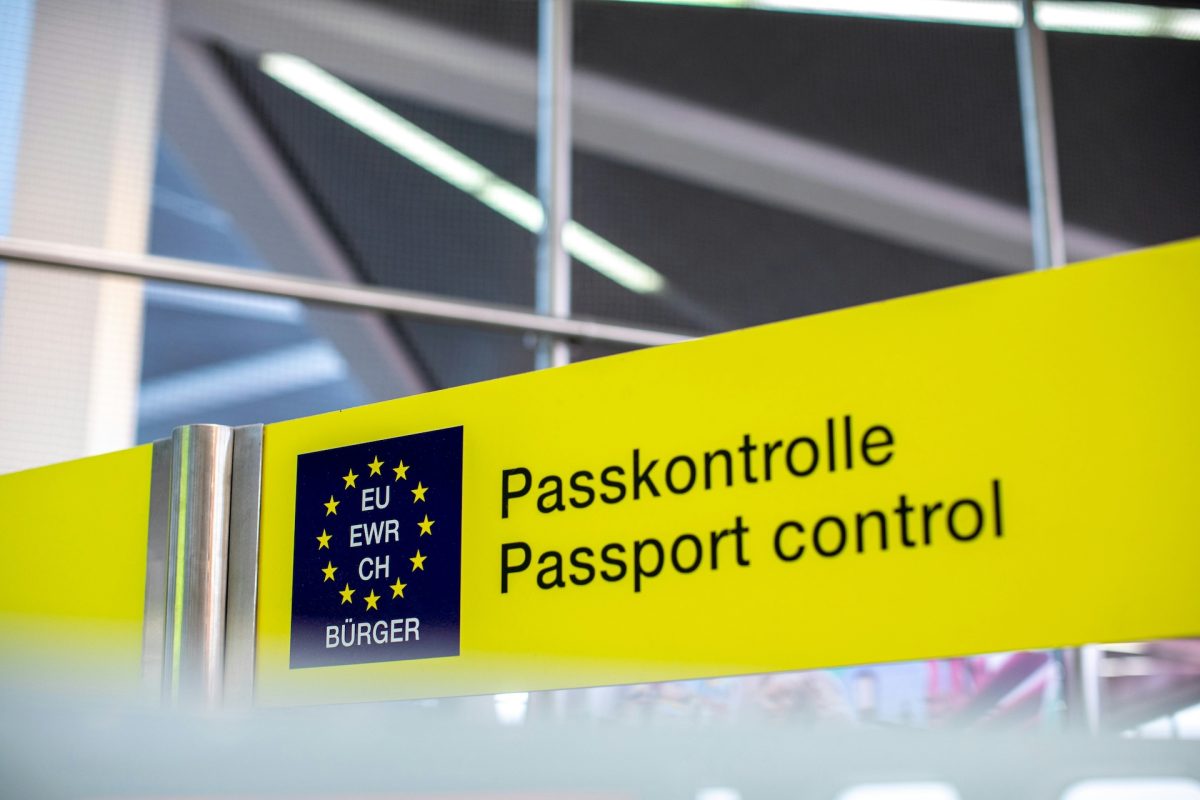
Six months after Europe rolled out its long-awaited digital border system, the queues at passport control are still stretching into the horizon. The Entry/Exit System, or EES, was meant to modernize how the Schengen Area tracks visitors. Instead, it has become a source of frustration for passengers, airports, and airlines, with reports of delays of up to five hours at peak times across major hubs.
The pressure is now squarely on the European Commission. Trade bodies ACI Europe and Airlines for Europe (A4E) have issued a joint call for immediate changes, describing the situation as "severe congestion" that is putting "exceptional pressure" on border guards and airport staff. Their message is blunt: this is no longer a teething problem.
What the EES Actually Does
The system, phased in from October 2025 after years of delays, requires travelers from outside the EU to register passport details, facial images, and fingerprints on arrival. That data stays in the system for up to three years, or until the passport expires, and is used to track who enters and leaves the bloc. The security benefits are real. EU Migration Commissioner Magnus Brunner told Politico that the EES has recorded nearly 230 million entries and exits and refused 80,000 arrivals, including 2,000 on security grounds.
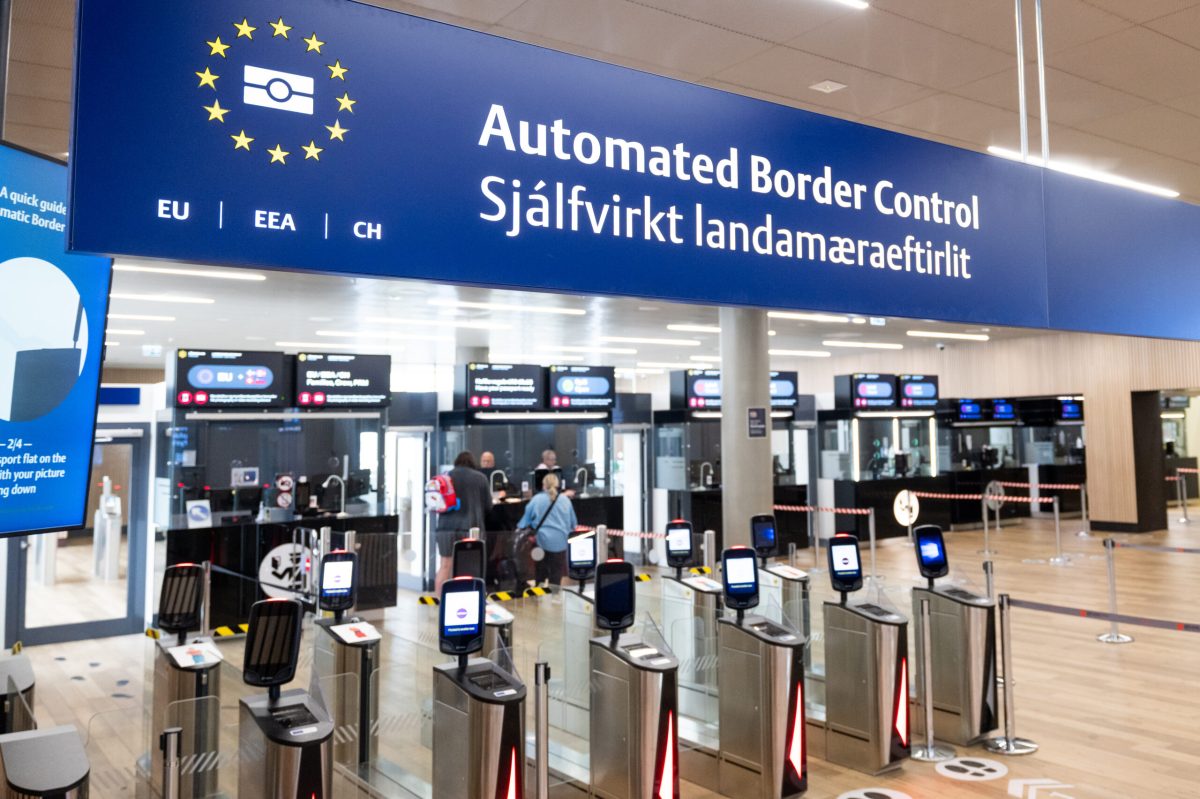
But the operational reality is far messier. The trade bodies point to a list of structural flaws: inadequate border control staffing, unstable IT systems, limited use of self-service kiosks and automated gates, and a pre-registration app that is not living up to its promise. These are the same issues they say they have been warning about for months, and they remain largely unaddressed.
A Six-Point Plan to Fix the Mess
In a joint statement, ACI Europe's Olivier Jankovec and A4E's Ourania Georgoutsakou acknowledged that the EES has strengthened border security, but they insist that "the promise of faster, more seamless travel remains unmet." They have put forward a six-point plan that includes eliminating double verification, optimizing biometric checks, preventing duplicate profiles, upgrading the Travel to Europe app, harmonizing automated border control for third-country nationals, and restoring the option to temporarily suspend biometric registration during extreme congestion.
That last point is key. The ability to pause the system during peak times would give border authorities a safety valve, but it was removed during the rollout. The groups want it back as a permanent flexibility mechanism.
Who's to Blame?
Commissioner Brunner, however, is pushing back. He insists that the responsibility for smooth implementation lies with EU member states, who agreed to the EES and "had enough time to prepare." That stance has done little to ease tensions. The row is now public, and the disruption for passengers shows no sign of letting up.
For travelers, the practical takeaway is to plan for delays when flying into Schengen airports, especially during peak hours. The situation is fluid, and some destinations have temporarily suspended the system at times. If you are heading to Europe soon, it is worth checking the latest updates from your airline or airport. And if you are considering a trip to a less crowded corner of the continent, you might find some relief. Europe's most popular hotspots are still drawing huge crowds, but the EES chaos is hitting them hardest.
The broader travel landscape in Europe is shifting in other ways too. Europeans are traveling more than ever, and some are swapping planes for trains to avoid airport hassles. The EES was supposed to make flying smoother, but for now, it is doing the opposite.
The coming months will show whether the Commission and member states can bridge their differences and deliver the fixes that airports and airlines are demanding. Until then, passengers are left waiting in line, wondering when the promise of seamless travel will finally become a reality.