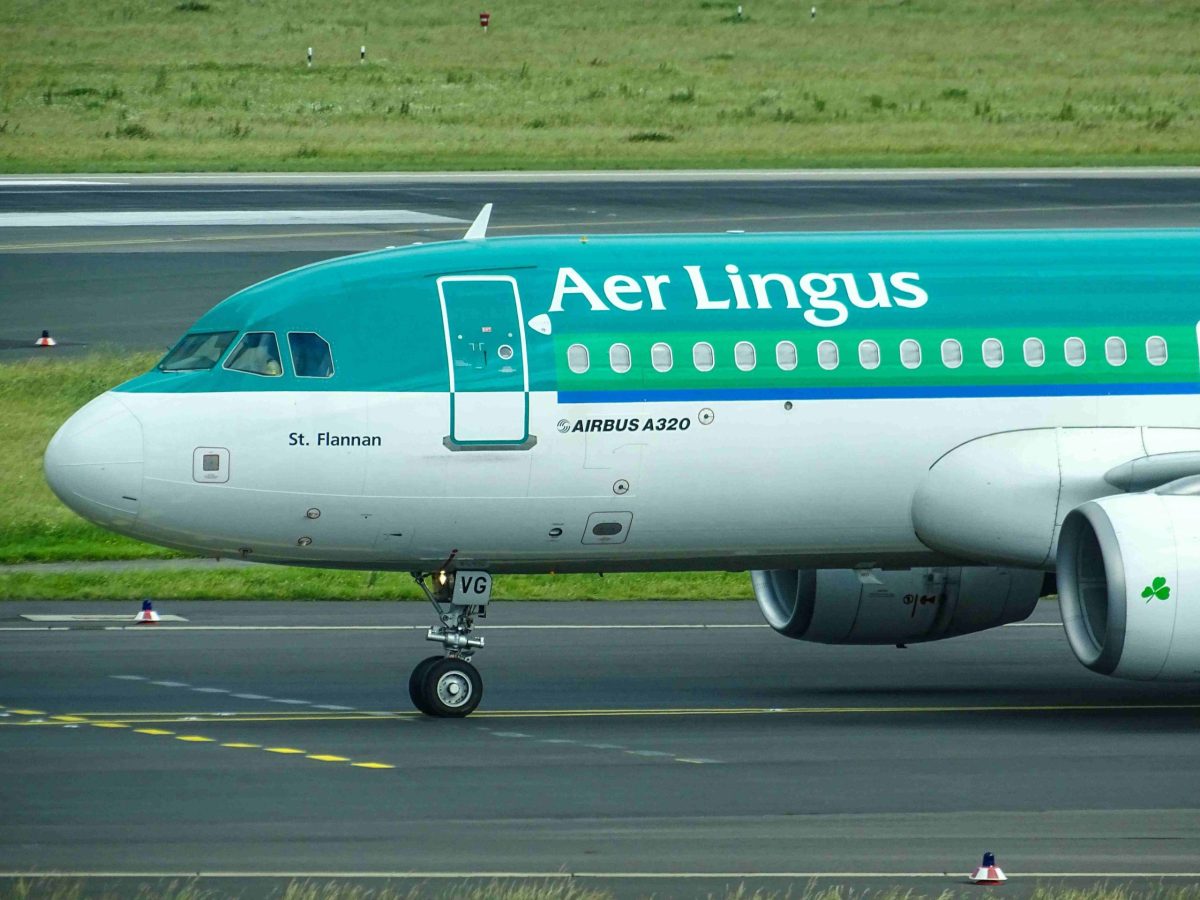
Thursday morning started with an unsettling scene over France. An Aer Lingus flight from Dublin to Rome, carrying 151 passengers and six crew, was rerouted to a military air base west of Paris after a suspected bomb threat. French fighter jets shadowed the Airbus until it touched down safely at Évreux. Bomb disposal teams swept the aircraft. Nothing was found.
That flight was just one of at least 15 across Europe hit by similar alerts on Thursday, marking the third wave of hoax threats in a single week. Since Monday, more than 20 flights have been targeted, and not a single explosive has turned up. The UK government has called the incidents malicious hoaxes, but airlines and authorities are treating every alert as real until proven otherwise.
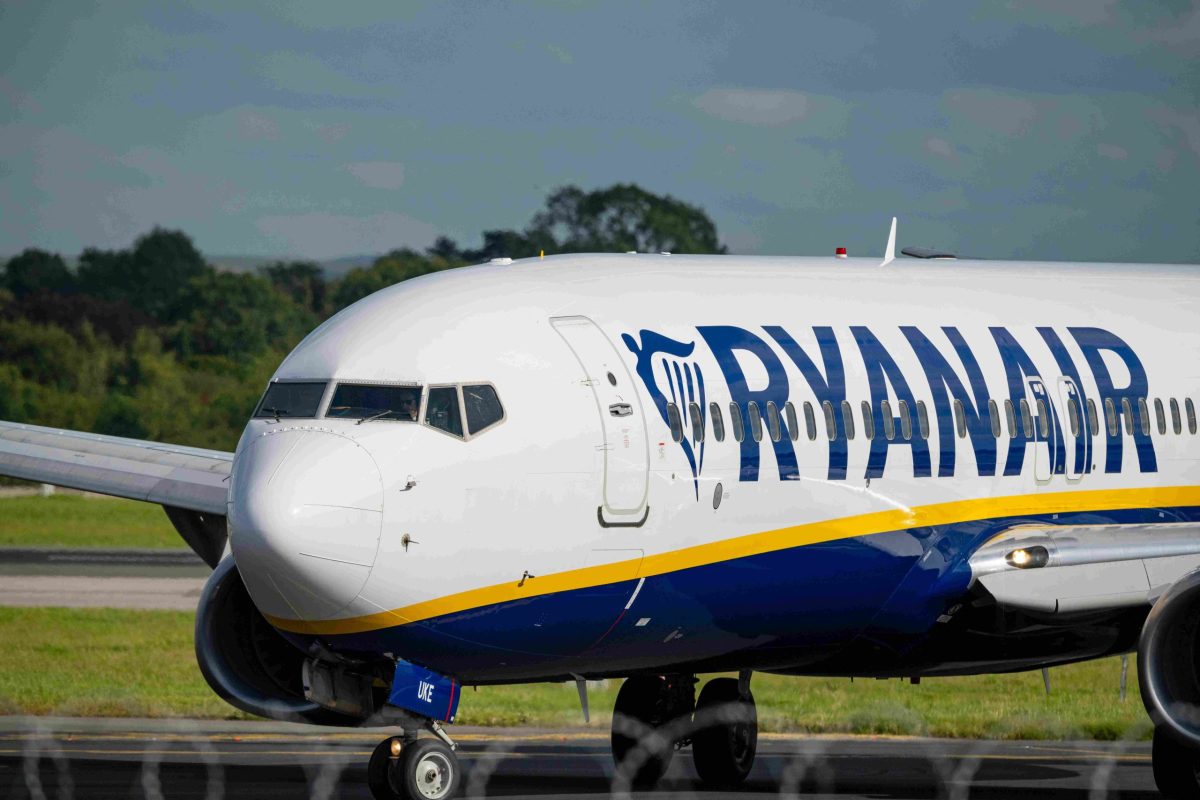
The threats have hit a mix of carriers, with a focus on low-cost airlines and routes touching Bulgaria, Czechia, and Italy. In Bulgaria, three Ryanair flights heading to Sofia from Madrid, Copenhagen, and London Stansted were escorted by fighter jets. The London flight was diverted to Plovdiv. In Prague, four planes operated by Ryanair, easyJet, and Sky Express received emailed threats from anonymous addresses. Czech police said they considered the credibility low, but still activated full security protocols.
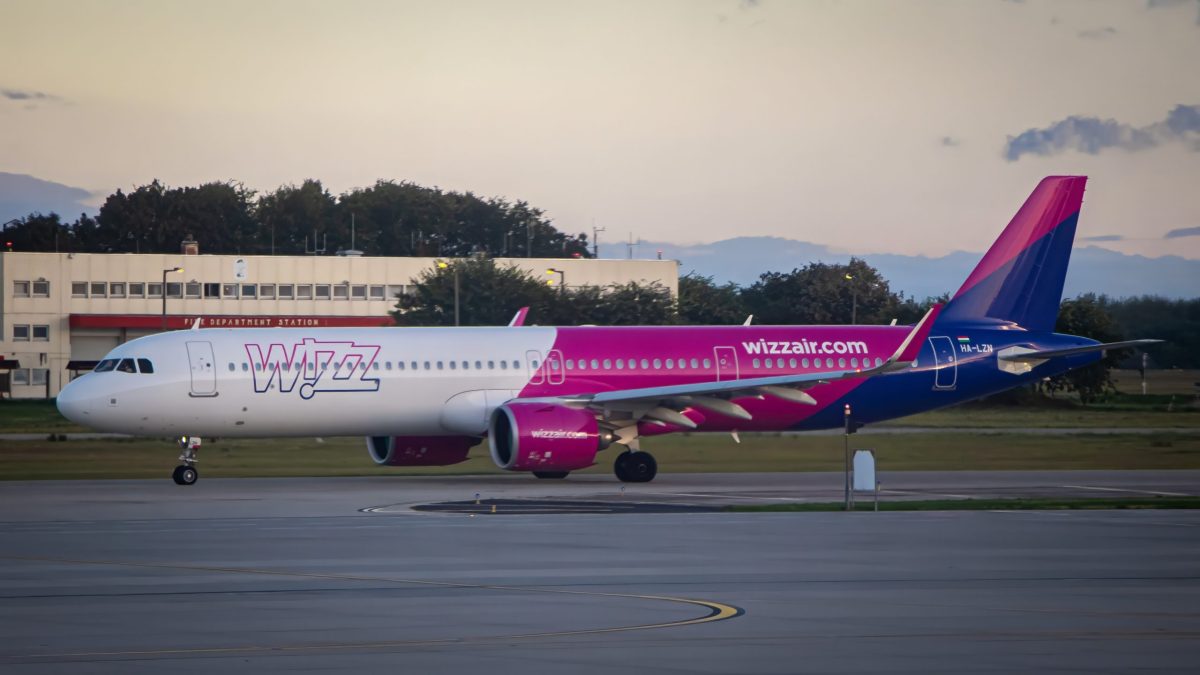
Italy saw its share of drama too. A Finnair flight from Helsinki was escorted into Rome Fiumicino by Italian Air Force jets and landed without incident. A Wizz Air flight from Milan to Warsaw was diverted to Vienna, while another Wizz Air service from Milan to Bucharest landed safely and was inspected on arrival. Flights from Thessaloniki and Porto to Milan Malpensa also got caught up in the alerts.
Elsewhere, a second Finnair flight from Helsinki to Vienna landed as planned, and Austrian police said Vienna Airport had received an email threatening four flights. A LOT Polish Airlines flight from Warsaw to Brussels also landed on schedule, with no suspicious items found. In Denmark, police searched two aircraft at Copenhagen Airport.
This isn't the first time this week that travelers have faced this kind of disruption. On Monday, a Wizz Air flight from London to Sofia was diverted to Budapest after a bomb threat. On Tuesday, around ten flights were targeted, leading to a brief closure of Warsaw airport and the scrambling of air force jets near Rome. At least seven of the threats have involved Ryanair. The pattern is clear, but the source remains a mystery.
Aviation expert Marco Chan from Kingston University told the BBC the threats were "most likely a hoax, but the system is right to treat it as real." That's the tricky part for travelers. Even when a threat turns out to be a prank, the response is costly and disruptive. Flights get delayed, diverted, or canceled. Passengers get stuck in unexpected cities. If you're flying in Europe right now, it's wise to check your flight status before heading to the airport and to build some buffer time into your connections.
The wave of hoaxes comes as Europe faces a broader rise in hybrid attacks, some of which authorities have linked to Russia or Iran. Recent incidents include cyberattacks on supermarket refrigeration systems, drone incursions, and fake warnings sent through hacked public alert apps. While these bomb threats appear to be empty, they still create chaos and fear. For now, the advice from airlines and security officials is to stay calm, follow instructions, and know that your safety is the top priority.
If you're planning a trip to Europe, don't let these hoaxes scare you off. The region remains safe and welcoming, and incidents like these are rare in the grand scheme of things. For more on how Europe is shaping up for travelers, check out Europe's first-ever tourism strategy and what it means for your next adventure. And if you're curious about how airlines are handling the financial strain, Ryanair's fuel bill just doubled, which could affect your summer flight prices.