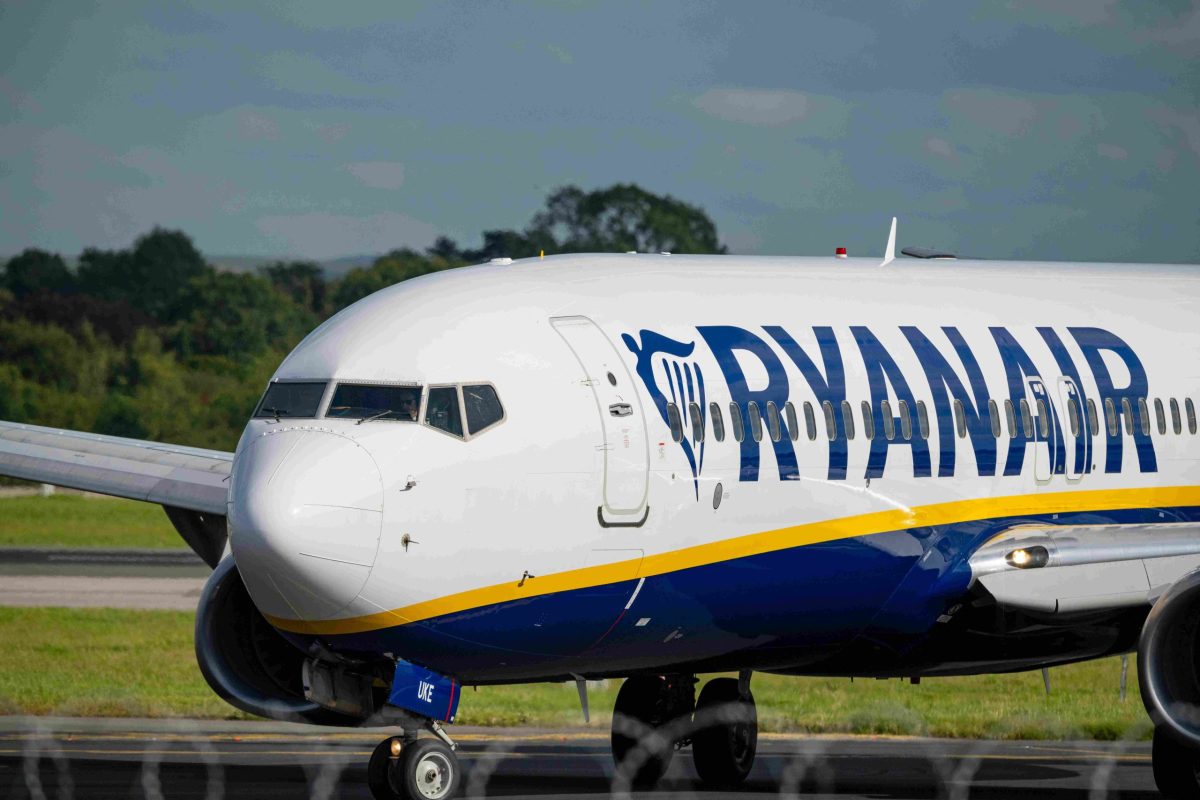
Ryanair is bracing for a financial storm. The airline's fuel bill is set to rise by around €2 billion in its next financial year, which runs until March 2028. That's a massive jump, and it's already triggering a wave of cost-cutting measures that could reshape the budget flying experience.
CEO Michael O'Leary has been blunt about the situation. He expects European airfares to climb by more than 10% in 2027, and he's warned that this could be the biggest increase in airfare history. The culprit is the conflict in the Middle East, which has sent oil prices soaring. Ryanair has hedged 80% of its fuel at $67 a barrel until the end of March, but the remaining 20% is bought at market rates, which have roughly doubled to about $130 a barrel. Unless the conflict ends quickly, O'Leary says fuel prices will stay elevated well into 2027.
To offset these costs, Ryanair is reviewing every corner of its operations. That includes airport negotiations, possible temporary pay freezes when staff agreements expire, and fewer crew members on board. The airline admits it can't cut crew numbers much because it must follow legal minimums, but it's still looking at ways to trim. The airline is also leaning on AI to boost productivity, which has already helped increase capacity by 4%.
AI is being used to make operations, office, and support teams more efficient. O'Leary says current managers can now handle more work with the same resources, so the airline needs fewer middle managers and has cut back its graduate programme. Recruitment of new pilots and cabin crew is also slowing down. It's a pragmatic approach, but it's not sitting well with unions.
The Unite union says it hasn't been told about any pay freeze plans and that its multi-year agreements don't depend on the company's results. The Irish Airline Pilots' Association also pushed back, pointing out that other airlines pay their pilots much more despite facing the same fuel costs. Expect a standoff between Ryanair and its staff as these measures are rolled out.
For travelers, the message is clear: very cheap flights may soon be harder to find. Ryanair's half-year results showed a 15% drop in profit after tax, even though traffic grew 6% to 125.8 million passengers. Average fares fell 4%, but that's likely to reverse. The airline has already announced 126 new Summer 2027 routes and a new base in Rimini, but those flights will come with higher price tags.
If you're planning to fly in 2027, you might want to book early or consider alternatives. Ryanair's boss has predicted the biggest airfare spike Europe has ever seen, and other airlines are likely to follow suit. Airport traffic is already dipping slightly as tensions and fuel costs bite, and Ryanair has axed 20 Belgian routes as a tax hike looms. The era of €10 flights might not be over, but it's certainly under threat.
One thing to watch is how Ryanair's cost-cutting affects the flying experience. Fewer crew members on board could mean slower service, and pay freezes might lead to labor unrest. Your next Ryanair flight could look different, with more automation and less human touch. But for now, the airline is still expanding, and the skies remain full of cheap seats. Just don't expect them to stay that way forever.