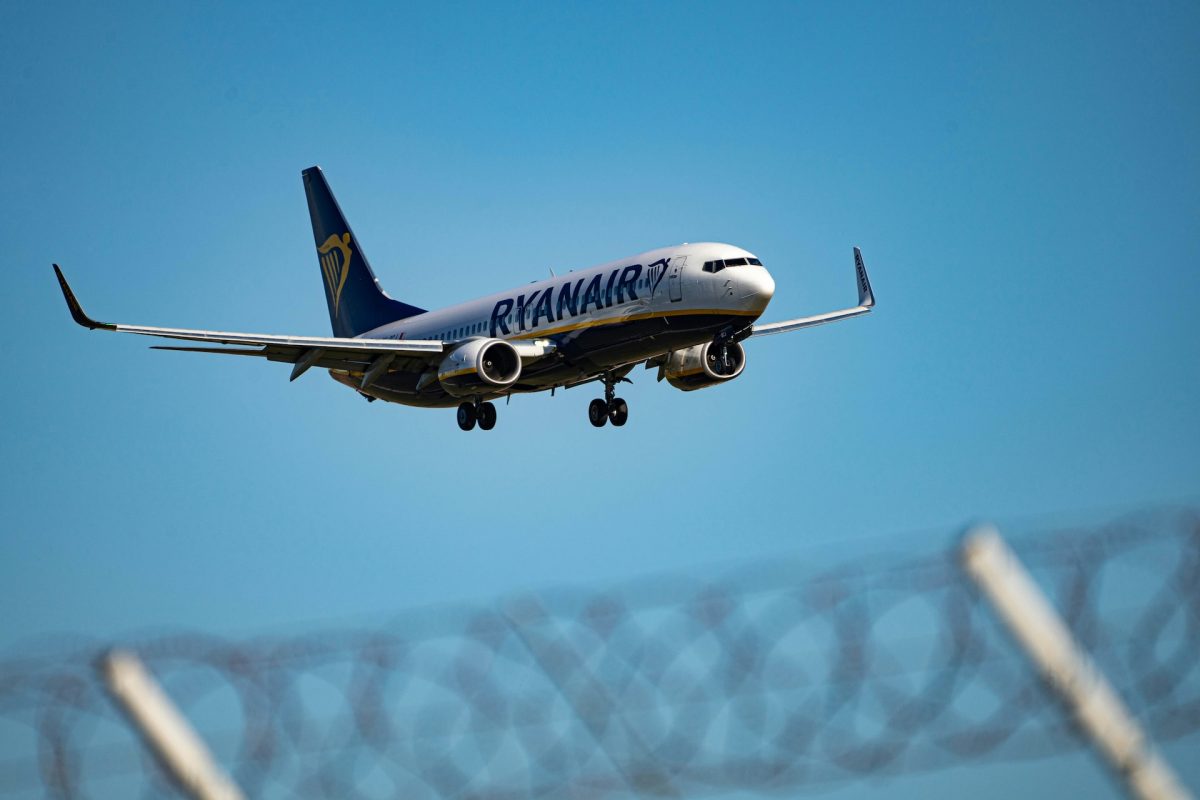
Michael O'Leary, the outspoken chief of Ryanair, has a warning for anyone planning to fly in Europe over the next couple of years: brace for a serious fare hike. Speaking at a press conference in Brussels, he predicted that airfares could rise by 10 to 20 percent across the continent, driven by soaring jet fuel prices and a wave of airline consolidation that's shrinking the number of available seats.
O'Leary didn't mince words. He called it "the biggest increase in airfares in history" for Europe, a bold claim from a man known for his blunt assessments. The root cause, he says, is that many carriers failed to hedge their fuel costs against the oil supply disruptions stemming from the US-Israel conflict with Iran. While Ryanair has locked in prices for much of its 2026 fuel needs, the picture gets murkier from April 2027 onward, leaving the airline exposed to market rates that are currently about double what they've hedged.
The timing couldn't be worse for travelers. Just as demand for European getaways continues to climb, the industry is facing a perfect storm of higher operating costs and fewer flights. O'Leary pointed to a spate of mergers, takeovers, and bankruptcies among European airlines, which he argues will reduce competition and push prices even higher. For budget-conscious travelers, this could mean the era of ultra-cheap flights is slowly coming to an end.
But it's not just fuel that's got O'Leary fired up. He used the same Brussels stage to slam Belgium's planned aviation tax hikes, which he says are "stupid" and will make the country less competitive. Ryanair has already announced it will cut 20 routes out of Brussels and Charleroi, pulling over a million seats from its winter schedule. It's a move that echoes a broader frustration among low-cost carriers with national taxes and environmental levies that they argue put European airlines at a disadvantage.
O'Leary also took aim at the European Union's Emissions Trading System, which applies to flights within the EEA, Switzerland, and the UK, but not to competitors flying from outside the bloc. He claims European citizens are "paying all these environmental taxes, while the Yanks, the Asians and the Chinese land and take off in Europe completely exempt from their fair share." Ryanair alone faces a compliance bill of €1.5 billion in 2026, a cost that will inevitably be passed on to passengers.
There was one piece of good news buried in the gloom. O'Leary said he now expects US certification of the Boeing 737 MAX 10 to come through by the end of October 2026, which would allow Ryanair to take delivery of 16 of the fuel-efficient jets by early 2027. The MAX 10, comparable to the Airbus A321neo, burns 14 to 20 percent less fuel per seat than older 737s, a crucial advantage if fuel prices stay high. That could help Ryanair keep some fares lower than its rivals, but it won't shield travelers from the broader upward trend.
For now, the message is clear: if you're planning a European adventure in the next couple of years, you might want to book sooner rather than later. While autumn bookings are holding firm and travel demand shows no signs of cooling, the days of €10 flights to the Mediterranean could be numbered. O'Leary's prediction may be self-serving, but the forces he describes are real, and they're not going away.
As Europe's travel boom continues to outpace its economy, with destinations like Malta leading the charge, the pressure on airlines to balance growth with sustainability is mounting. That boom is great for tourism, but it also means more planes in the sky and more competition for fuel. If O'Leary is right, the next few years could reshape how Europeans travel, and not necessarily for the better.