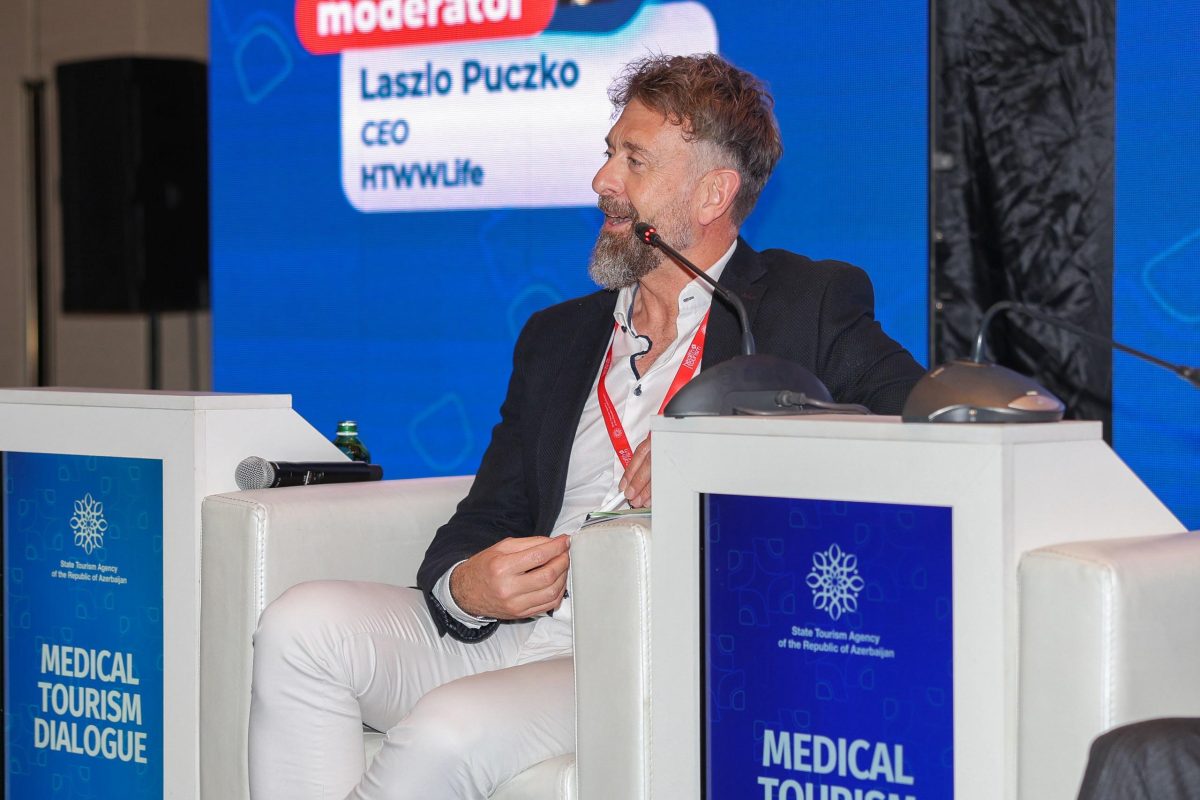
You book a spa weekend. You get a massage, a facial, maybe a yoga class. You leave feeling lighter, calmer, almost new. Is that medical tourism? Probably not. But add a doctor, a blood panel, and a personalized health plan, and suddenly the line between a wellness escape and a medical trip starts to blur. That was the puzzle at the Health Tourism Conference in Baku, where a panel of experts spent an animated hour trying to figure out where treatment ends and wellbeing begins.
Moderator László Puczkó, chief executive of HTWWLife, opened with a deceptively simple question. What makes wellness medical, and who gets to decide? The answers split the room early. Lutz Lungwitz, president of the German Medical Wellness Association, drew firm lines between medical tourism, medical wellness, and wellness tourism, placing the last firmly in the realm of lifestyle and enjoyment. Puczkó pounced. "So you're suggesting that prevention is not lifestyle?" The question hung in the air and became the theme of the afternoon.

Prevention Is Personal
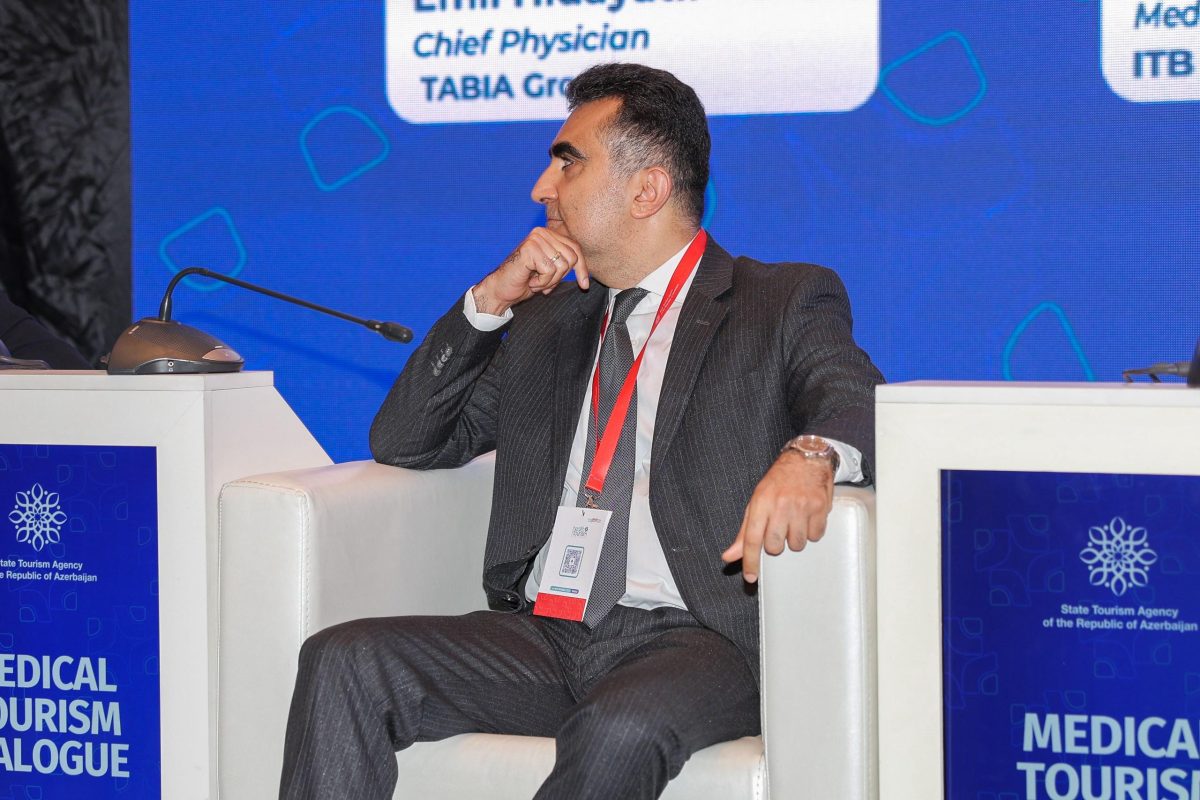
Emil Hidayatli, chief physician at TABIA Group, sees lifestyle and prevention as inseparable. His work in lifestyle medicine leans on nutrition, physical activity, and natural resources, all under medical supervision. The difference, he argued, is professional involvement. Medical wellness adds assessments, consultations, and a tailored program to what would otherwise be a relaxing break. Follow-up matters too. The goal is to support changes that stick after guests go home.
But if both wellness and medical wellness push healthier habits, how is a traveler supposed to tell them apart? The panel didn't have a clean answer, and that's exactly the point.
Old Spa Towns Feel the Squeeze
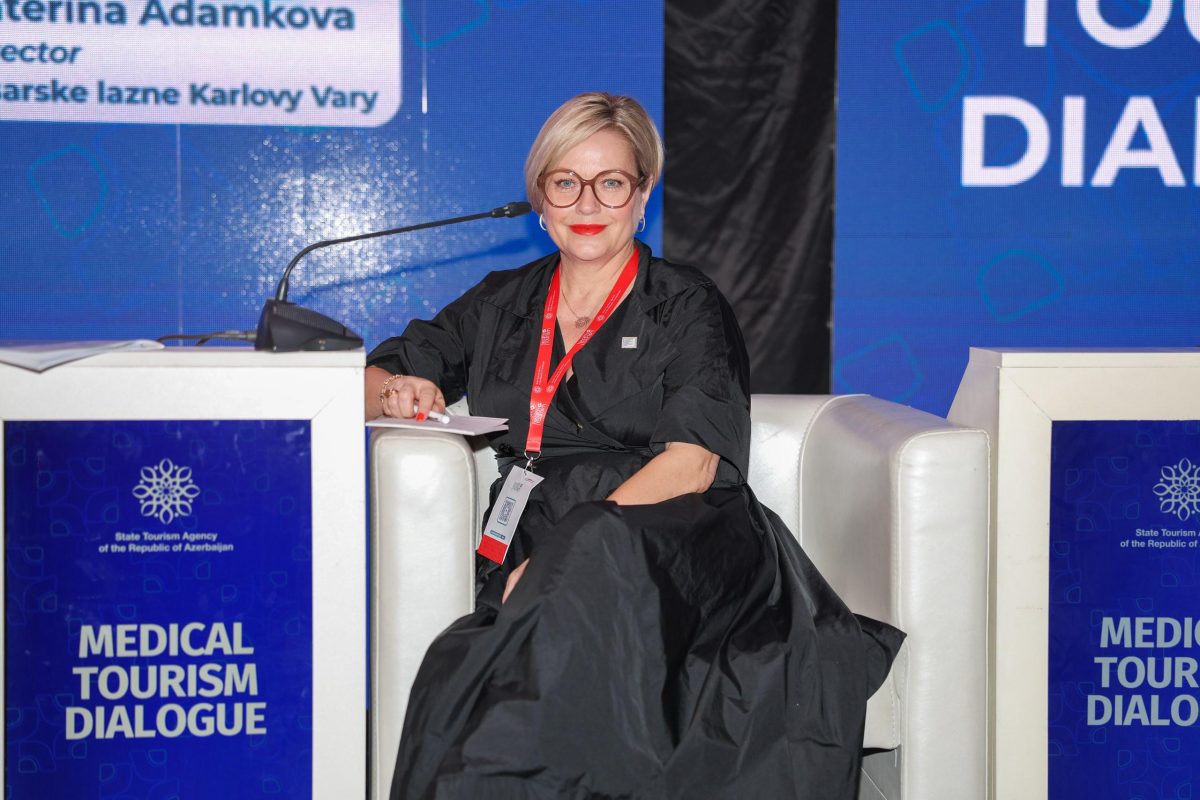
For Kateřina Adámková, director of Císařské lázně in Karlovy Vary, these questions are commercial reality. Czech spa destinations have long built their business around two or three week treatment stays. Those long visits are getting harder to fit into modern lives. She also pointed to the loss of Russian guests and the pressure to attract new markets, including travelers interested in shorter medical wellness stays.
Thomas Bömkes, medical and health tourism adviser to ITB Berlin, thinks reaching younger travelers requires a broader menu. Nutrition, cooking lessons, mental wellbeing, sleep. All of it can help guests connect their stay to changes they can make at home. The value of a visit, he suggested, extends beyond the days spent at the destination. Give people something useful to take back, and they might just come again.
Do Results Need to Be Measurable?
Puczkó pushed the panel on what visitors should expect to gain. A hip replacement has a clear outcome. A tooth gets fixed. What is the equivalent promise in medical wellness? "What's the reason to believe?" he asked.
Hidayatli cautioned against promising quick fixes. Some changes can be measured during a stay, but medical wellness should aim for longer term outcomes, supported by continued adherence and follow up. Puczkó wondered if that pitch would convince younger consumers who want visible results. Hidayatli suggested activity trackers and other tools could help guests monitor progress after they leave.
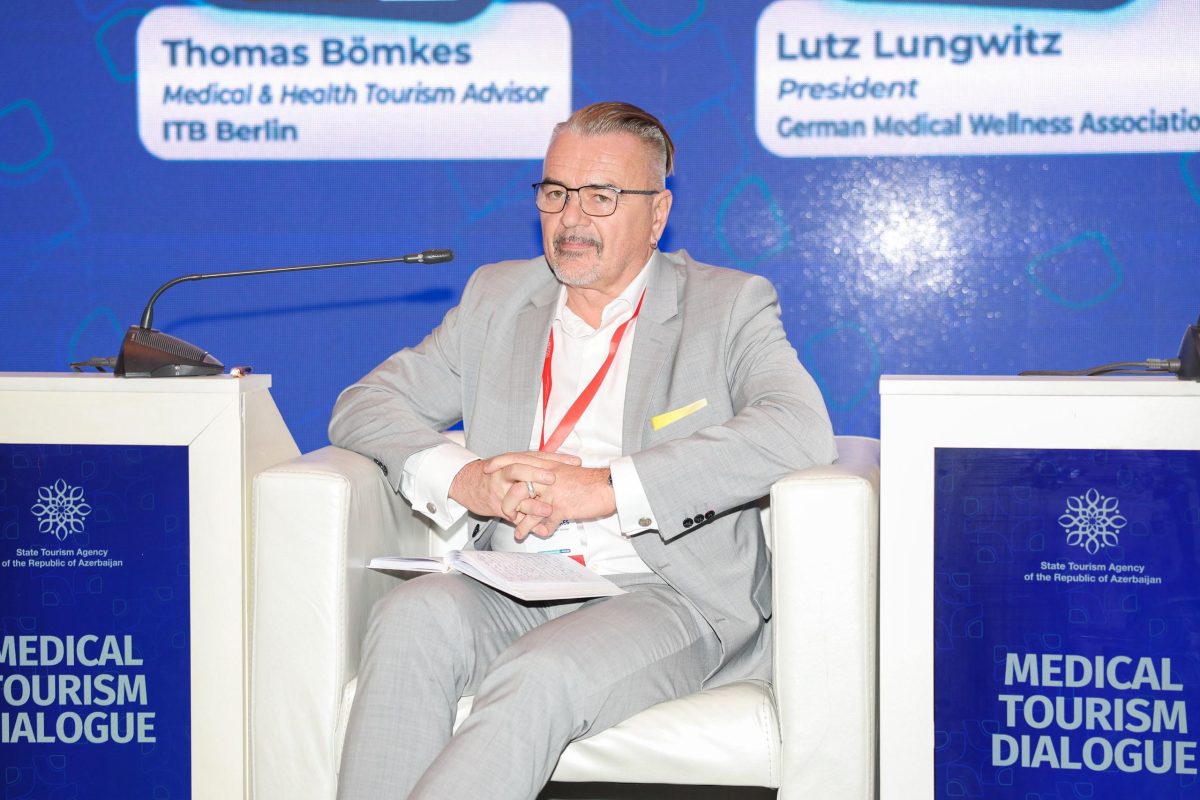
Bömkes offered a different take. He described a two week Ayurveda experience in India. Changes to his diet, daily treatments, and deep sleep left him feeling good enough to want to repeat it annually. "I don't need figures. I don't care. I felt it was good to me," he said. That personal response has marketing value too. A satisfied visitor goes home and tells friends. His example captured the appeal of wellness travel, even if it left the moderator's question about medical benefits unanswered.
Who Sets the Rules?
The conversation turned concrete when regulation came up. If a service uses the word "medical," what qualifications and safeguards should travelers expect? Hidayatli backed certification involving cooperation between relevant authorities. Bömkes argued for government regulation of health related activities, while letting other bodies oversee aspects outside that remit. Lungwitz described his association's work on an independent certification system that combines medical involvement with hospitality standards. He also questioned whether "tourism" is even the right word for a journey made specifically to receive medical treatment.
Across all these positions, trust emerged as the shared concern. Travelers need to understand what they are buying, who is responsible for their care, and what claims a provider can reasonably make. That's especially true as destinations like Azerbaijan push their health tourism strategies, and as Europe's first tourism strategy tries to set a framework for the whole sector. The visa maze alone can complicate a medical trip, and Azerbaijan's push shows how quickly these markets are evolving.
Tourist, Patient, or Client?
In the end, the distinction depends on who the offer is designed for. A tourist seeking relaxation and wellbeing. A patient traveling for medical care. Or a client investing in a personalized program to improve their health. Their motivations shape the services they need, the outcomes they seek, and the level of medical supervision required. For destinations, identifying that audience is the starting point for defining a credible offer. And for travelers, it's a reminder to ask what you're actually buying before you book. The line between wellness and medicine is not fixed, and regulation is still catching up. Trust is the real currency in this growing market.