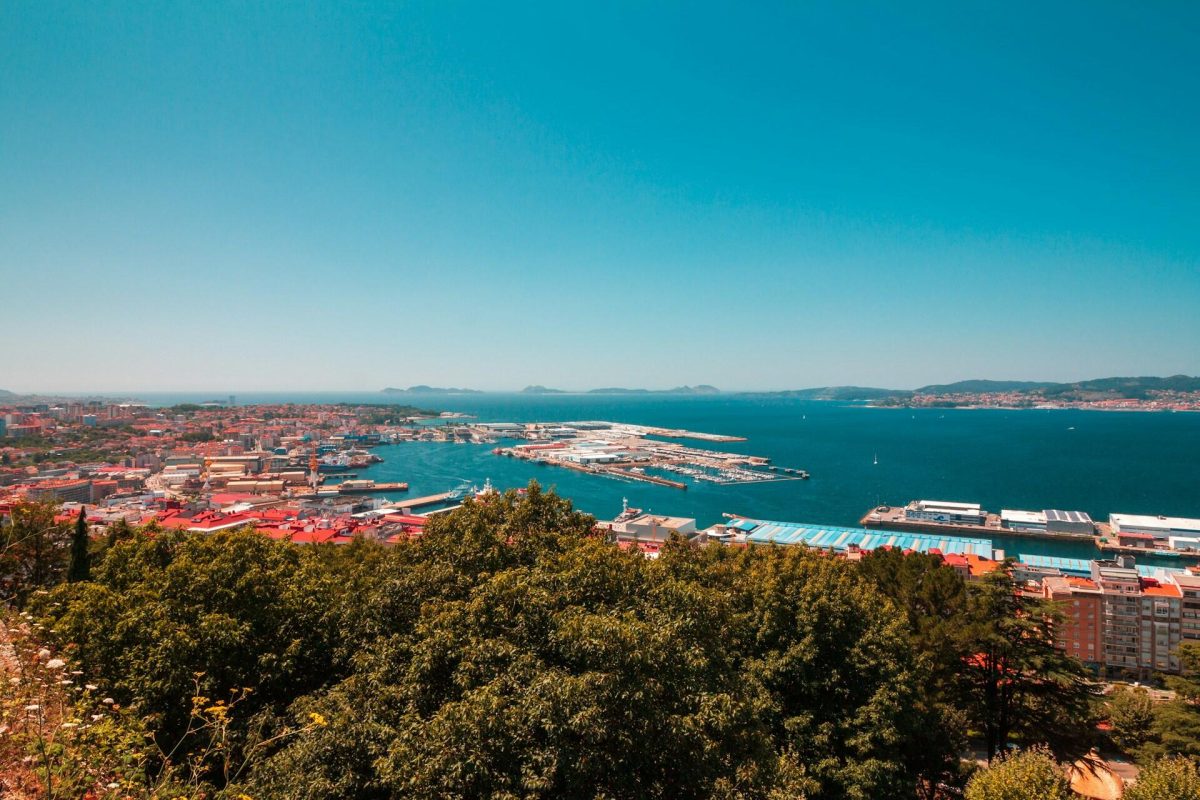
Vigo, the spirited port city on Spain's Galician coast, is about to add a new line item to your travel budget. Beginning in October 2026, the city will introduce a visitor tax that applies to anyone spending the night. The charge ranges from €0.80 to €2.00 per person per night, depending on where you lay your head, and it reflects a growing trend among European destinations grappling with tourism overload.
This isn't a sudden shock to the system. Local officials are rolling out the tax in phases to give travelers and the tourism sector time to adjust. From October 2026 through June 2027, you'll only pay for the first two nights of your stay. Once July 2027 arrives, the charge applies to a maximum of five nights per visit. If you're arriving by cruise ship, hold on: those contributions don't kick in until July 2027, giving the cruise industry an extra buffer.
Breaking Down the Costs by Accommodation Type
The fee structure ties directly to comfort level and amenities. Guests at five-star hotels will contribute the most at €2.00 per night. Step down to a three- or four-star property and you'll pay €1.60. Budget travelers staying in one- or two-star hotels pay €1.20, while hostels, campsites, tourist apartments, and rural stays get the lowest rate of €0.80. Cruise passengers are lumped into the €1.20 bracket once their contributions begin.
Not everyone pays. Vigo residents are exempt, as are children and travelers with disabilities. The city is also considering exemptions for people visiting for medical treatment and those participating in certain social programs, though officials note these specifics are still being finalized.
Why Vigo Is Taking This Step
Vigo's decision mirrors what other major European cities have already done. Like Barcelona and an expanding list of destinations worldwide, the city faces real pressure from tourism volume. Its busy cruise port regularly welcomes massive ships dumping thousands of passengers onto local streets at once. That kind of footfall strains public spaces, transport networks, and the environment, especially during peak seasons. The challenge of managing cruise tourism has become acute in port cities globally.
The tax revenue won't disappear into a general fund. City leaders plan to reinvest the money directly into infrastructure improvements and maintenance in areas where tourists congregate most. It's a way of asking visitors to help shoulder the cost of their own experience.
What Makes Vigo Worth the Extra Cost
If you're wondering whether Vigo justifies the fee, the answer is yes. This is a city worth more than a quick port day. The old town's narrow streets invite aimless wandering, and the waterfront delivers those long-gaze moments that make travel worthwhile. The Cíes Islands, a protected natural reserve just offshore, feature Rodas Beach, repeatedly ranked among Europe's finest. Vigo is also famous for its December light displays, which draw crowds from across the continent.
Seafood lovers have a particular reason to visit. The city's active fishing port ensures that what lands on your plate hours earlier was swimming in the Atlantic. Rua dos Cesteiros is the neighborhood where locals eat, and the casual vibe beats any touristy seafood trap in the region.
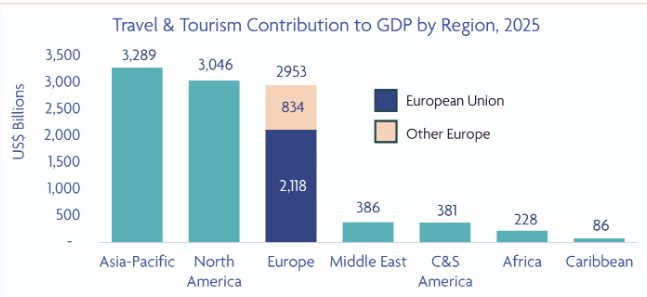
The trend of cities charging visitors directly has sparked debate across Europe, with some destinations feeling the financial pressure of tourism even as they welcome its economic benefits. Vigo's approach mirrors a broader philosophy: those who visit should contribute to maintaining the places they enjoy. Whether you're a budget backpacker or a luxury traveler, factor this fee into your planning. It's a small price for what Galicia's crown jewel delivers.