When a massive cruise ship pulls into Auckland harbor in 2027, passengers won't find themselves stuck on a tender boat, ferrying to shore in awkward batches. Instead, they'll walk straight off and into the beating heart of New Zealand's largest city. The Port of Auckland is betting this small shift in infrastructure will reshape how tourists experience their arrival.
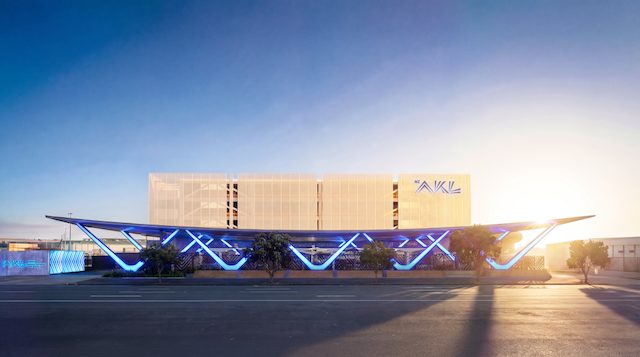
The numbers tell the story. Currently, around 300,000 cruise passengers pass through Auckland annually, pumping over $600 million into the local economy. But the port's aging setup forces mega-ships with 4,500 or more passengers to anchor offshore and shuttle people to land on small boats, a process Port of Auckland CEO Roger Gray calls "a terrible customer experience." The new Te Waharoa international cruise terminal will handle up to 1,500 passengers per hour, letting the largest ships discharge comfortably within three hours instead.
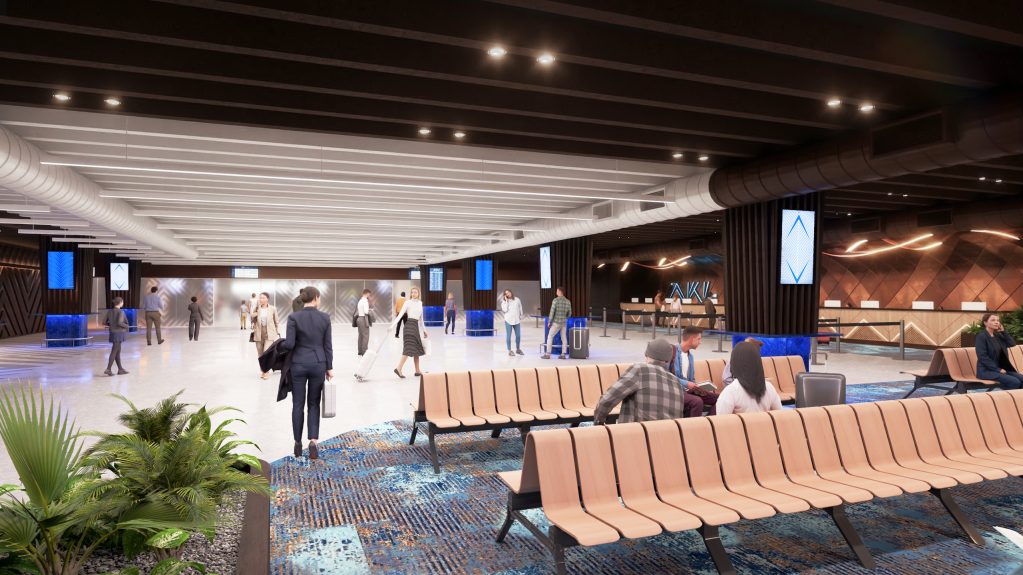
A Complete Reimagining of Arrival
This isn't just about moving people faster. The NZ$200 million investment includes dedicated bus and taxi pickup zones feeding into regional sightseeing routes, plus pedestrian access directly to Auckland's downtown waterfront. Walking distance from the terminal, arriving passengers will find hotels, restaurants, galleries, ferry services, and that fresh-off-the-boat sense of discovery that makes cruise arrivals special. Mayor Wayne Brown framed it as a shift from industrial port to public space: "By opening up our wharves, we are transforming industrial zones into vibrant, accessible public spaces."
The expansion is expected to attract 100,000 additional cruise visitors thanks to the ability to accommodate larger ships on regular schedules. That's a gamble Auckland is clearly willing to take.
Swimming Against the Global Tide
Not every port city is chasing bigger cruise numbers. In fact, several major destinations have moved in the opposite direction. Barcelona cut dock capacity by 30% after Mayor Ada Colau described a "feeling of collapse" when thousands of passengers flooded the city simultaneously. France proposed a "polluter pays" port fee, and Mediterranean hotspots like Cannes have capped cruise arrivals entirely. The concerns are familiar: environmental impact, overtourism, whether cruise passengers actually spend money locally.
But Auckland's playbook is different. Tourism ranks as New Zealand's second-largest export sector, accounting for roughly 7.7% of national GDP. Officials argue that strategic expansion isn't just good for business, it's a growth strategy. Other major cruise destinations are also investing heavily to attract larger volumes of ship traffic, betting that thoughtful infrastructure can handle the demand without sacrificing visitor experience.
What This Means for Travelers
For cruise passengers, the practical upside is real. No more hanging in a tender queue at sunrise. No more feeling like you're being shuffled through an industrial zone when you finally reach shore. You'll arrive in the city proper, with immediate access to food, transit, and those spontaneous discoveries that make travel memorable.
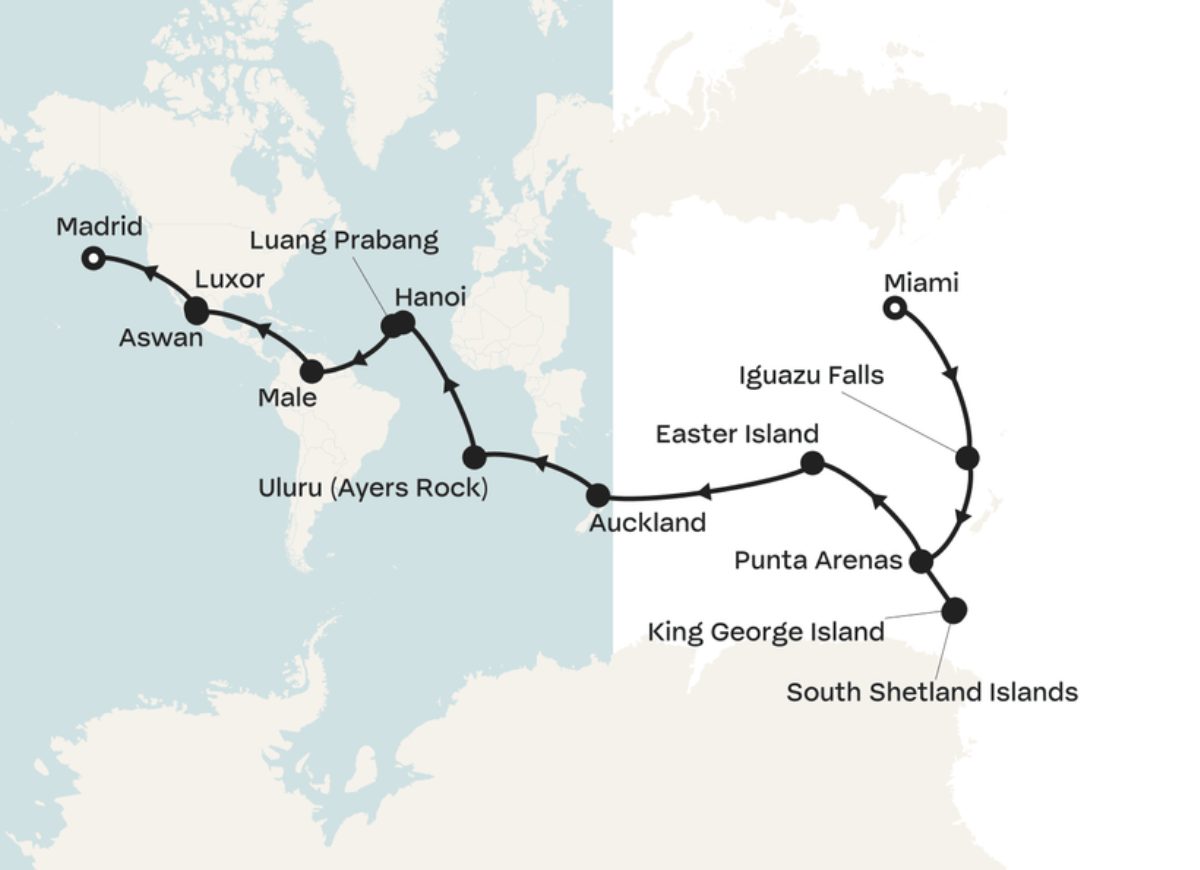
The terminal opens in 2027, which means cruises booked for 2027-2028 and beyond could dock at the new facility. If you're considering Auckland as part of a South Pacific cruise itinerary, this upgrade should make the port stop feel less like a pit stop and more like an actual arrival in a world-class city.
Auckland clearly believes that when cruise tourism is done thoughtfully, everyone wins. The test will come when the ships arrive and those first 100,000 new visitors walk off the gangway into their New Zealand adventure.