The romance of European rail travel just hit a very modern snag. Eurail, the Netherlands-based company behind the iconic Interrail passes that have sent generations of backpackers crisscrossing the continent, has suffered one of the travel industry's most damaging breaches. Over 300,000 passenger records have been stolen and are now circulating on the dark web, a discovery that turned from bad to worse when the company only recently confirmed what happened.
The stolen data reads like an identity thief's wish list. Names, email addresses, home addresses, passport numbers, phone numbers, and dates of birth all ended up in criminal hands. The breach itself occurred back in December 2026, but Eurail stayed quiet about it until this week when they finally admitted the records were being peddled for sale on underground forums and shared via Telegram. That delay matters. Every week of silence is another week someone's personal information sits on a digital black market.
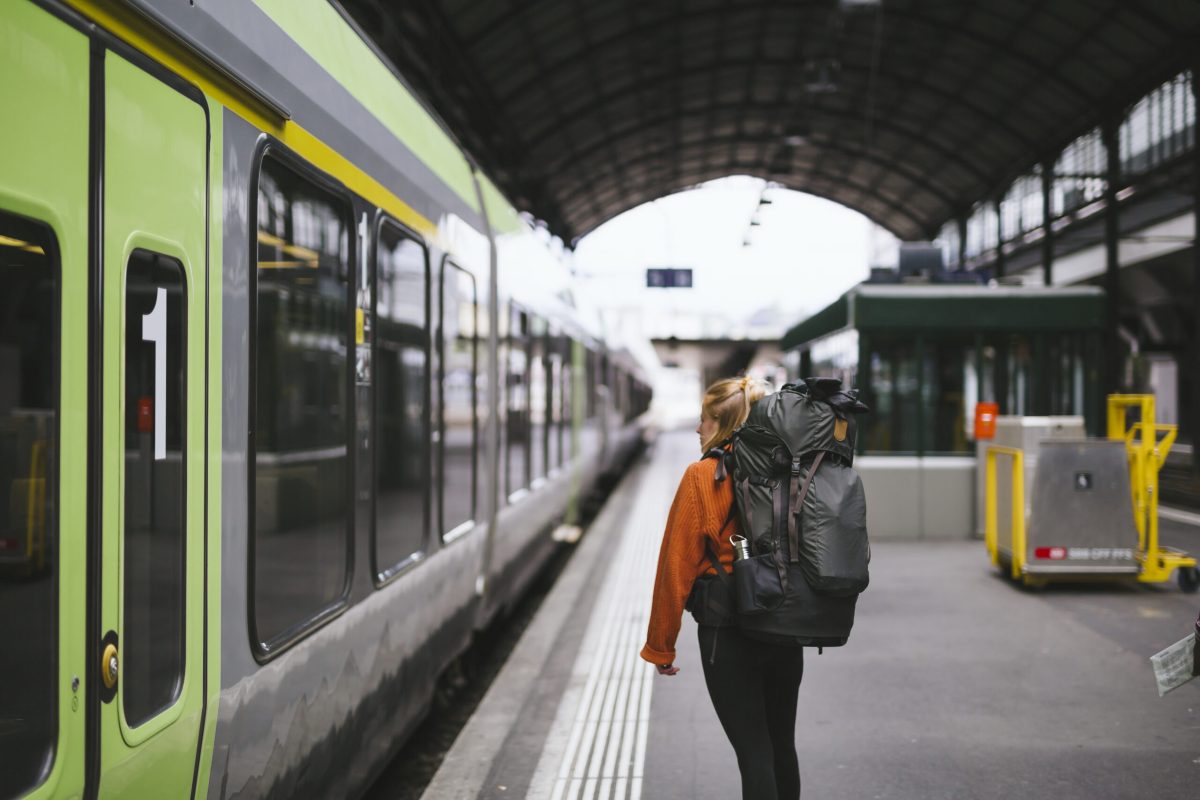
For anyone who's ever grabbed an Interrail pass to explore 33 countries for less than 300 euros, this is personal. Eurail's passes have become the backbone of budget European travel, offering young people and rail enthusiasts the kind of freedom to move across borders that once seemed revolutionary. The original Interrail concept emerged in the late 1800s and was later rebranded after World War II as a tool for building shared European identity and borderless movement. The irony of that mission is sharp now. Instead of uniting travelers through seamless rail access, Eurail has inadvertently united hundreds of thousands in a shared security nightmare.
Gerard Tubb, a 64-year-old from Yorkshire, captured the real fear in a few words: "The concern is what can people do with that amount of information. It seems an awful lot, everything to persuade someone they are me." That's the core problem. With a complete identity profile in criminal hands, fraudsters can do more than just make unauthorized charges. They can impersonate people convincingly enough to access financial accounts, take out loans, or create false documents.
What Travelers Need to Do Right Now
The official advice is clear but frustrating. UK authorities are telling affected travelers to cancel and replace their passports immediately. Here's the catch nobody's happy about: you have to pay for the replacement yourself. The Home Office has confirmed there's no compensation or subsidy coming, despite the breach being entirely Eurail's fault. That adds insult to genuine injury. Affected passengers will also want to be alert for any suspicious emails, calls, or text messages asking for more personal details, exactly the kind of follow-up attack that often comes after major breaches.
The DiscoverEU program adds another layer of concern. That EU initiative gives away 40,000 Interrail passes to young Europeans and Erasmus+ students each year, positioning them as cultural ambassadors for the bloc. The breach potentially compromised the ID documents and photocopies of 18-year-olds who received passes through the program, though DiscoverEU hasn't yet confirmed how many young travelers are affected. For families already worried about their kids traveling independently, this timing couldn't be worse.
Europe's travel landscape is shifting rapidly, and digital security has become as important as booking confirmations. Travelers should monitor their credit reports closely, consider placing a fraud alert with their bank, and keep copies of their breach notification from Eurail for any future disputes. If you haven't heard directly from Eurail but used their services, check your email carefully or contact them to find out if your data was compromised.
What remains unclear is whether Eurail will face real penalties or whether this becomes another reminder that companies holding traveler data often treat security as an afterthought. For now, hundreds of thousands of people who just wanted to see Europe are left scrambling to protect their identities and emptying their wallets on passport replacements. The dream of borderless travel just got a lot more complicated.