There's a reason certain luxury hotels lodge themselves in your memory years after checkout. It's not just the thread count or the impeccable service, though those matter. Walk into a five-star lobby and your nose knows you're somewhere special. That invisible layer of carefully chosen fragrance wraps around the experience, making it stick with you long after you leave.
Smell has an almost unfair power over memory. A scent can transport you across continents and years, dropping you back into a specific moment with startling clarity. Hotels have long understood this. High-end properties use signature fragrances as a form of sensory branding, turning their lobbies and suites into olfactory landmarks. It's a subtle flex, but an effective one.
For decades, these exclusive fragrances were fortress-locked behind hotel doors. If you wanted to recreate that feeling at home, you were out of luck. But the luxury industry is changing. More hotel groups are releasing their signature scents to the public, letting travelers turn an ephemeral memory into something tangible. Bulgari just joined the club.
The Fragrance That's Been Hiding in Plain Sight
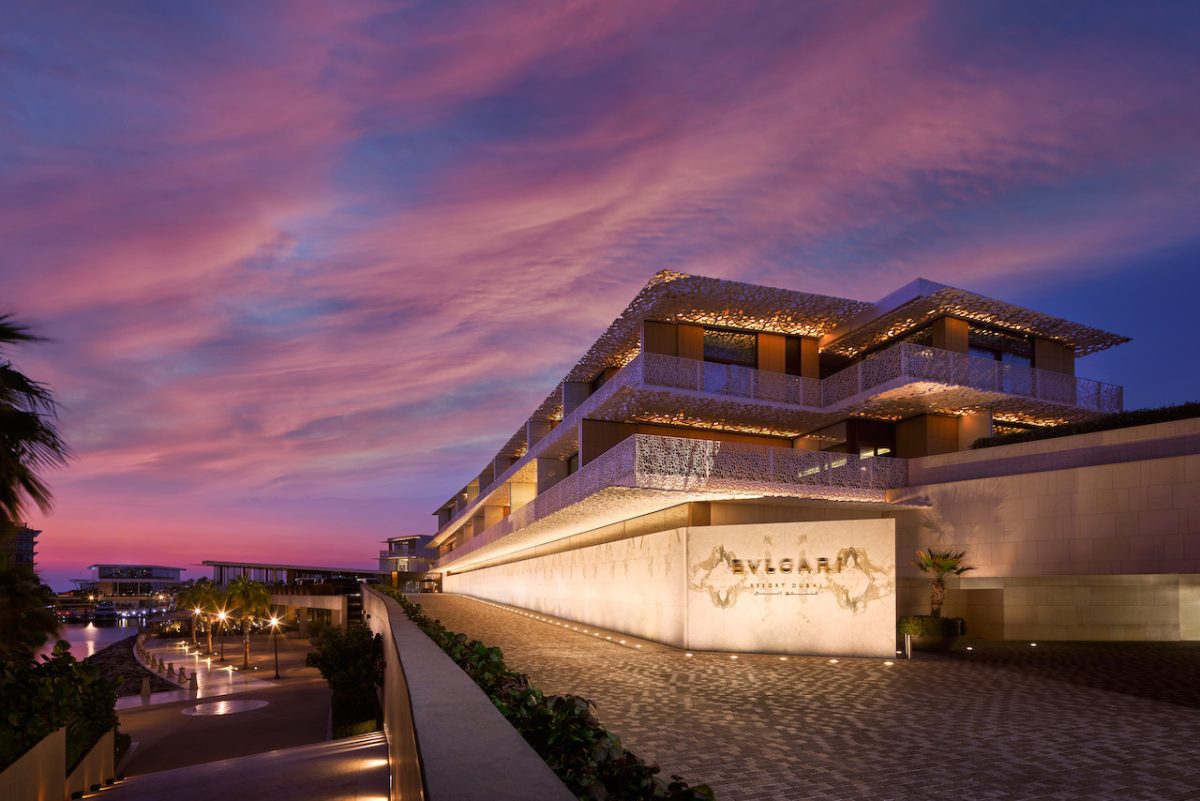
Starting in April 2026, Bulgari's signature hotel scent enters retail life as "Eau Parfumée Thé Impérial." This isn't a new fragrance. It's been floating through the air at Bulgari hotels in Milan, London, Paris, and Tokyo for years, shaping the guest experience without most visitors knowing they could actually own it. Now it's available through Bulgari's official website and select retail partners in 75ml and 150ml bottles, plus matching body lotions and shower gels.
Master perfumer Jacques Cavallier designed the composition as a bridge between two fragrance cultures. It opens with brightness (lemon, mandarin, bergamot) and mellows into warmer base notes anchored by tea extracts and musk. The structure is deliberate. Hotel fragrances need to announce themselves in shared spaces while staying subtle enough not to overwhelm. This one walks that line perfectly.
Tea dominates the scent architecture, a nod to Asian hospitality traditions where tea symbolizes calm and refinement. Paired with citrus, which carries centuries of Mediterranean luxury associations, the fragrance reads as cosmopolitan without trying too hard. It smells like the kind of place where important people make important decisions over drinks.
When Hotel Experiences Become Retail Products
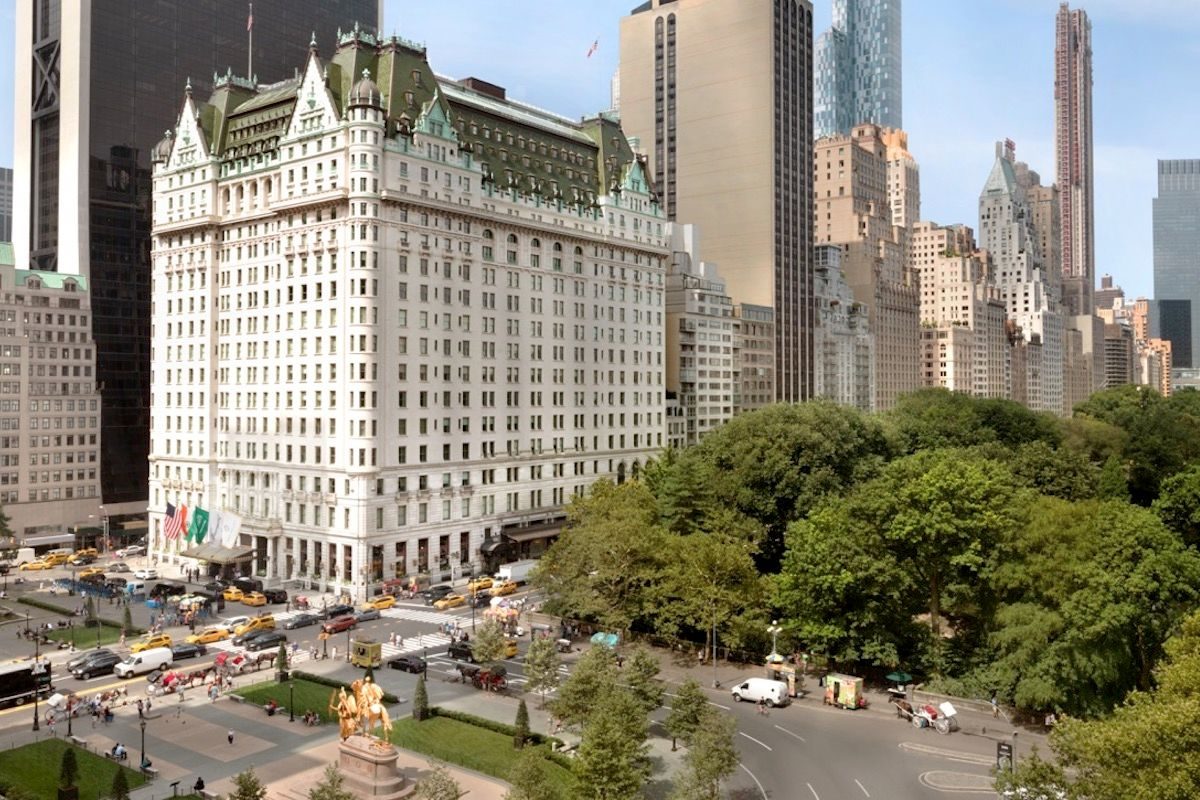
Bulgari isn't pioneering this move. Six Luxury Hotels Reshaping Europe in 2026 showcases how hotels are increasingly extending their identities beyond the physical property. The Ritz-Carlton offers 50 Central Park, a fragrance inspired by views of New York's green spaces. Aman Resorts released Haru, a seasonal floral scent tied to its Tokyo location. These products exist as candles, diffusers, room sprays, and personal fragrances, each one a way to extend the hotel brand into your actual life.
It's a clever business strategy, sure. But it also recognizes something true about how we experience travel. Hotels aren't just places we sleep. They're sensory memories we carry home. When Three Japanese villas carved straight from the hillside are redefining luxury, part of what makes them remarkable is the total environment they create. Fragrance is a piece of that puzzle.
For travelers who've stayed at a Bulgari property, this release feels like permission to hold onto something intangible. For those who haven't, it's a preview of what awaits. Scent preference is deeply personal, so there's no guarantee this particular composition will transport you anywhere special. But if it does, you've got a bottle waiting.