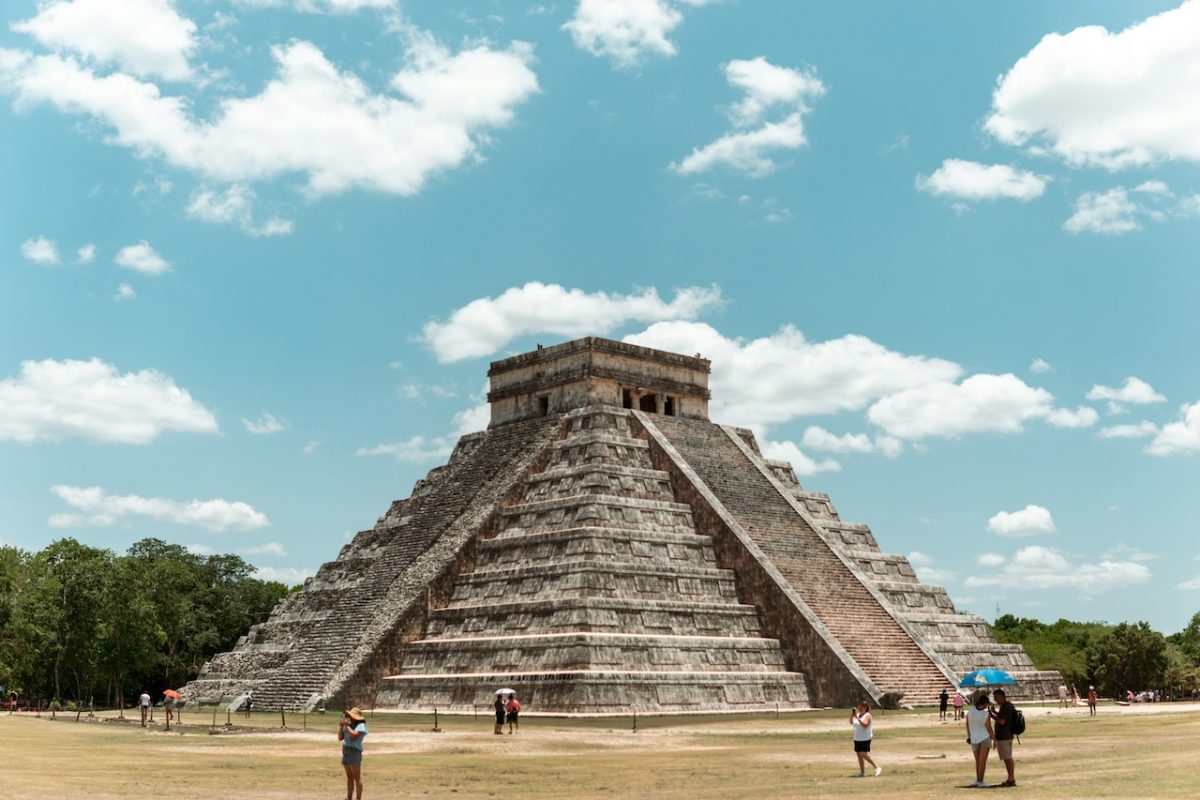
The ancient pyramids of Teotihuacan, just outside Mexico City, have welcomed millions of visitors over the decades. But on April 20, 2026, gunfire erupted from atop one of these monumental structures, shattering the serenity of what is typically one of the country's most beloved destinations. A Canadian visitor was killed and 13 others wounded in what authorities describe as a carefully premeditated attack.
The shooter, identified as 27-year-old Julio Cesar Jasso Ramirez, opened fire from the top of a pyramid, targeting a group of tourists gathered below. Among the injured were visitors from the United States, Colombia, Brazil, and Russia. One victim was just six years old. Ramirez later took his own life. State prosecutors revealed he had made multiple reconnaissance visits to the site beforehand, staying in nearby hotels while plotting the attack. Officials believe he was inspired by mass shootings elsewhere.
A Wake-Up Call for the Biggest Sporting Event on Earth
With the FIFA World Cup kicking off in Mexico on June 11, 2026, the attack has become impossible to ignore. Mexico's President Claudia Sheinbaum responded swiftly, acknowledging that security protocols need an overhaul. "We need to tighten security," she stated, emphasizing the need for better screening to prevent firearms from entering archaeological sites and other tourist attractions.
National Security Secretary Omar García Harfuch has ordered immediate reinforcements at key tourist destinations across the country. These measures include stepped-up checkpoint operations, enhanced surveillance systems, and expanded on-site security personnel designed to catch potential threats before they escalate.
The enhanced security comes atop defenses already in place for the tournament itself. Mexico has deployed 100,000 law enforcement officers and 2,000 military vehicles across the nation, along with aircraft and drone surveillance. Fortified security zones ring stadiums and major hubs. The country is hosting 13 matches spread across Mexico City, Guadalajara, and Monterrey, with the opening fixture scheduled between Mexico and South Africa at Mexico City Stadium.
The Bigger Picture on Safety and Travel
Mexico faces a complex security environment. The country recorded over 32,000 murders in recent years, roughly three to four times the rate in the United States, though both nations have seen declines in gun violence. Jalisco Province, which hosts Guadalajara and will welcome World Cup crowds, has experienced particular tensions in recent months, making the beefed-up presence there especially significant.
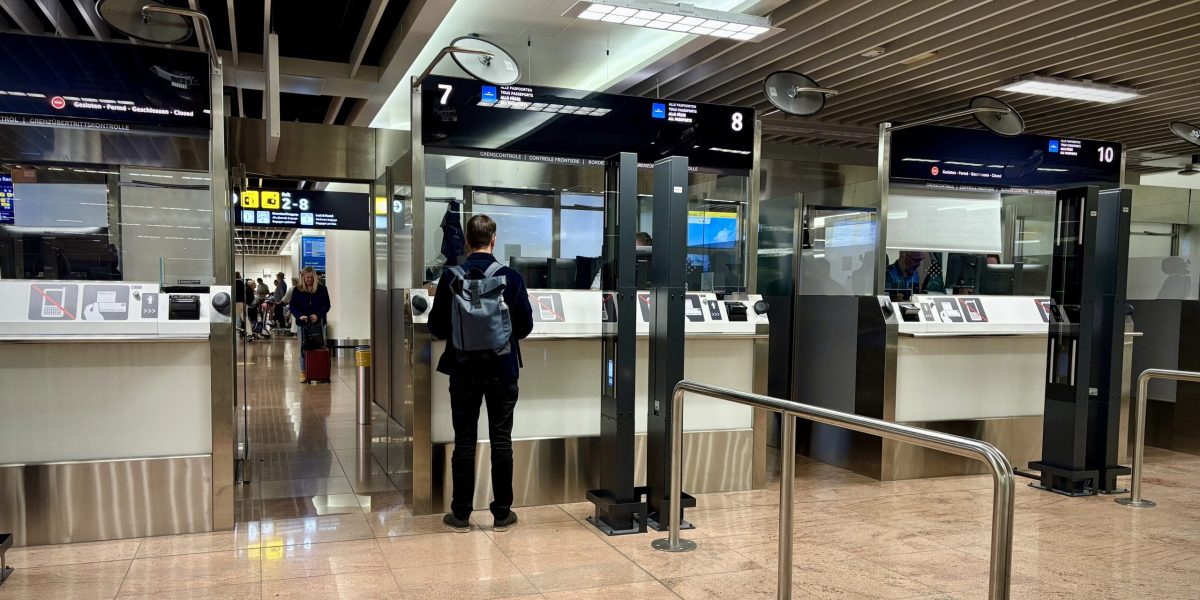
The United States, which is co-hosting the tournament alongside Mexico and Canada, faces its own travel challenges. Border enforcement policies have prompted several countries to issue travel warnings to their citizens, creating what some have labeled a "Trump Slump" in American tourism arrivals. Travelers planning to visit World Cup venues should familiarize themselves with current airport security protocols on both sides of the border.
Teotihuacan itself was set to play a special role during the tournament, with night-time illuminations planned to celebrate the world's most-watched sporting event. That vision hasn't changed, but the approach to protecting visitors certainly has. For those planning to experience these ancient wonders during the World Cup festivities, expect enhanced entry procedures and more visible security presence than ever before.
Travelers heading to Mexico for the World Cup should stay informed about local conditions and follow official guidance. The country remains committed to hosting a successful tournament while ensuring the safety of everyone who comes to witness it.