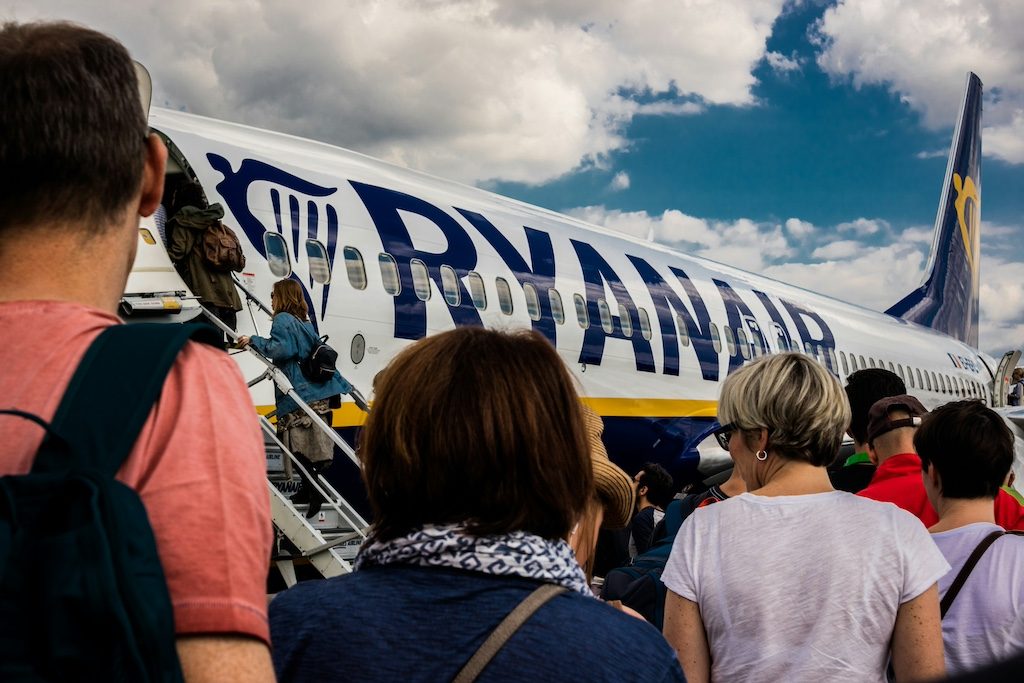
The writing has been on the wall for a while, but Ryanair made it official in April 2026: the airline is shutting down its Berlin base come October. Seven aircraft stationed at Brandenburg Airport will pack up and move to sunnier, cheaper corners of Europe, leaving behind another casualty in Germany's fraught relationship with its own aviation industry.
For travelers who've relied on Ryanair's dirt-cheap fares out of Berlin, this is a gut punch. But for anyone watching how European airports operate, this move is a crystal-clear signal about the future of air travel in Germany. The airline blames two culprits: passenger traffic that has tanked nearly 30 percent since 2019 (from 36 million to 26 million) and fees that have climbed faster than a Lufthansa A380.
When fees become the real enemy
Ryanair CEO Eddie Wilson didn't mince words, calling Berlin "the most failing airport in Europe." That's harsh, but the numbers backing it up are harsher. Since 2019, Germany has steadily made flying more expensive for carriers. Aviation tax jumped from EUR 7.30 to EUR 15.50 per passenger. Security fees doubled from EUR 10 to EUR 20 in just four years. Air traffic control charges tripled from EUR 1 to EUR 3.30 per ticket.
This isn't the first time Ryanair has voted with its feet. The airline has already closed bases in Frankfurt, Dusseldorf, and Stuttgart, axing 13 aircraft from German soil since 2019. It stopped serving Dresden, Leipzig, and Dortmund entirely. Each closure sends a message to Berlin: fix your pricing, or we're leaving.
The disparity is real. Other European countries are actively wooing airlines away from Germany by cutting taxes and lowering landing fees. Sweden, Slovakia, Albania, and Italy are next in line to receive those seven Berlin-based aircraft. Ryanair is following the money, plain as that. Wilson summed it up: "With no meaningful cost reform in Berlin or in Germany nationally, we have no alternative but to switch aircraft."
A dispute over the numbers
Not everyone agrees with Ryanair's version of events. Berlin Airport fired back at the airline's claim about a planned 10 percent fee hike, saying negotiations are still underway and no increase has been scheduled. The airport's statement on X pushed back hard: "We are surprised by Ryanair's announcement at this point in time." Meanwhile, Germany's Finance Ministry announced plans to roll back flight taxes to 2024 levels, a move that came just as Ryanair was making its departure official.
The timing raises questions. Did Ryanair jump the gun? Is there more room for negotiation than the airline's statement suggests? Or has the damage already been done by years of rising costs?
What this means for travelers
If you book flights out of Berlin, expect fewer budget options and possibly higher fares. Winter schedules will shrink by half. The airline's crew members will get offered transfers elsewhere in Europe, but that's cold comfort for a hub that suddenly lost a major carrier.
This is part of a broader squeeze in German aviation. While other airlines have clashed with European airports over fees, Germany seems to be uniquely aggressive with its taxation. The result is predictable: carriers go where it costs less to operate.
The real question now is whether Berlin Airport, or the German government, will take this as a wake-up call. Other airports across Europe are watching to see if Germany blinks on its aviation costs. If it does, Ryanair's seven aircraft could theoretically return. If it doesn't, expect this pattern to continue, one base closure at a time.