Picture this: you're standing in front of your laptop on a Sunday afternoon, armed with good intentions and a carbon-conscious conscience. You want to book a train ticket from Barcelona to Milan. Fifteen thousand flights operate that route annually. Surely, the rail option should be straightforward, right?
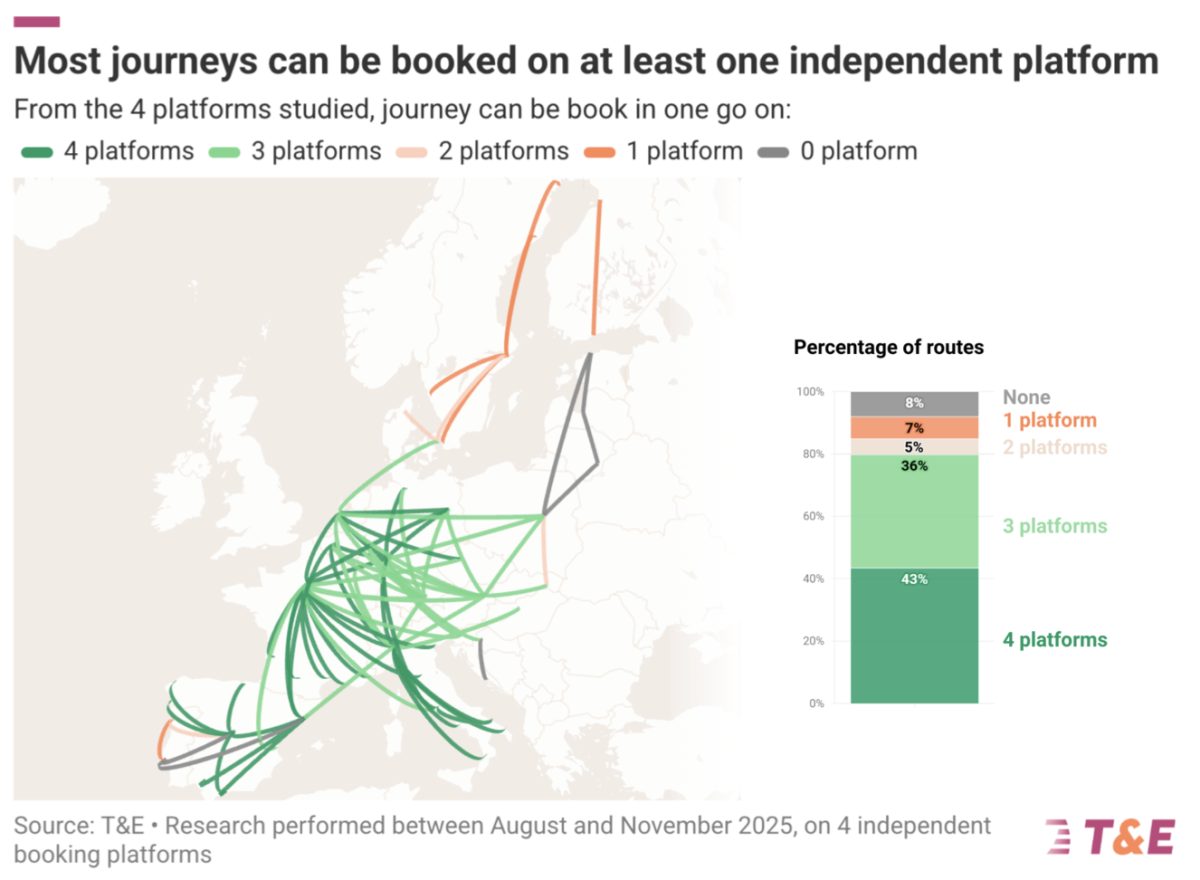
Wrong. You cannot currently buy an end-to-end ticket for that journey. Not on one platform. Not even on most platforms. Welcome to European train booking in 2025, where your climate-friendly travel plans collide with a system that feels like it was designed in 1952.
The Bizarre Numbers Behind Rail's Hidden Crisis
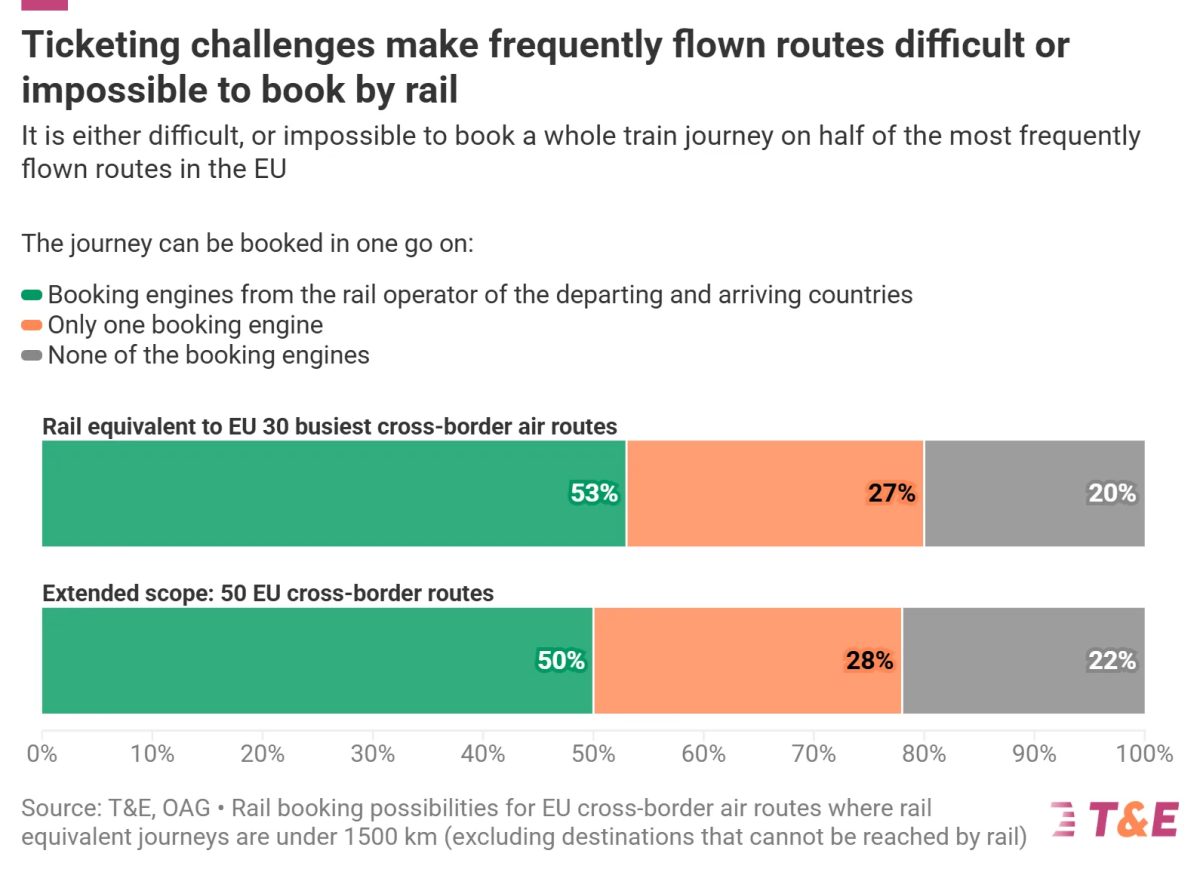
Research from Transport and Environment (T&E) paints a bleak picture. On one-fifth of Europe's busiest air routes, you cannot buy a single ticket covering your entire train journey. On another 27 percent of routes, only one operator sells tickets, forcing passengers to navigate multiple booking platforms like they're solving a maze. The result? Sixty-one percent of travellers who wanted to take the train have abandoned the idea at least once because the process felt impossibly complicated.
Nine out of ten people naturally turn to their national rail operator when searching. But what they find is a fragmented, anti-competitive nightmare. On 86 percent of route segments where multiple operators exist, incumbent websites refuse to sell competitors' tickets. On 59 percent of these segments, they don't even display them.
Austrian university researchers discovered something jaw-dropping: booking a train journey takes up to 70 percent longer than booking a flight. Let that sink in. The supposedly green, modern alternative takes nearly twice as long to arrange as the notoriously carbon-heavy option.
When Price Becomes the Dealbreaker
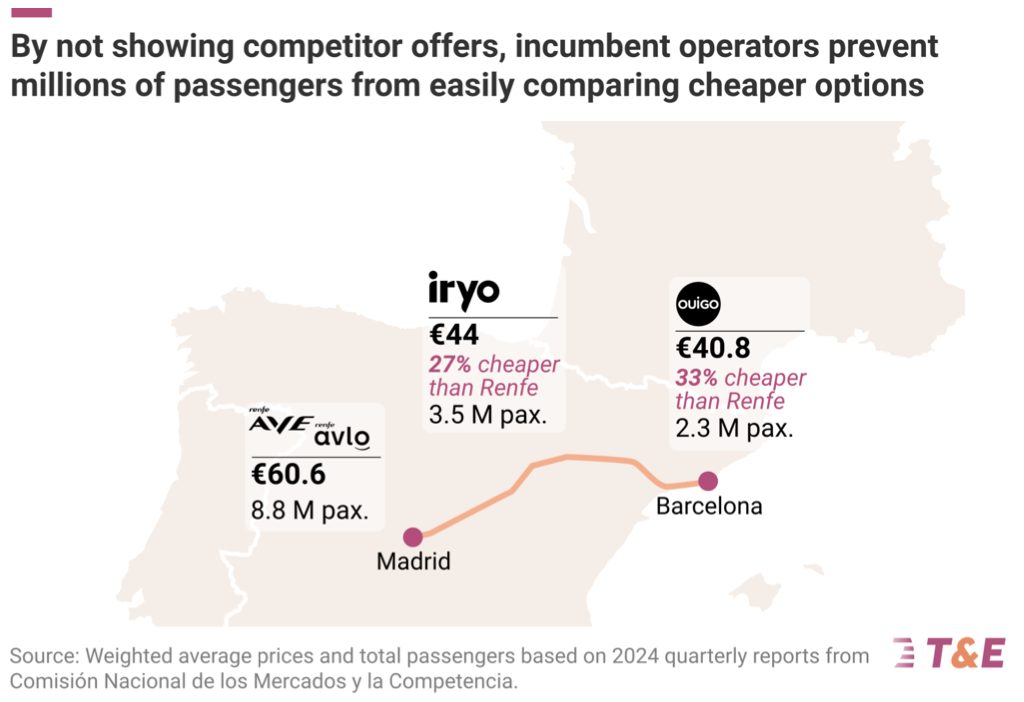
Even when you do finally book, you'll probably pay more. In Spain, trains operated by Renfe cost roughly 30 percent more than competitors. Passengers remain blissfully unaware of cheaper alternatives because rival services are deliberately hidden from view. Georgia Whitaker, the T&E rail campaigner who authored the report, puts it plainly: "Passengers are often unaware that cheaper options exist because other competitive services are not displayed or sold."
This matters enormously for a generation of travellers who care deeply about climate impact. Europe's travel comeback is driven partly by younger, environmentally conscious visitors who would gladly choose rail over air. Yet the system punishes them with complexity and inflated prices. The Youth on Track Coalition describes it simply: "It shouldn't be so hard to book a ticket for your entire journey in one place."
What Salvation Might Look Like
Enter the European Union. Commission President Ursula von der Leyen signalled support for reform in her 2024 political guidelines, calling for a system that allows passengers to book multi-operator journeys on a single platform while keeping full passenger rights intact. A formal proposal is expected on May 13, 2026. T&E is pushing for a binding mandate requiring rail operators to display and sell competitors' tickets under fair conditions as part of a broader EU "single ticketing" legislative package.
The logic is obvious. Aviation is one of Earth's hardest sectors to decarbonise, with emissions expected to soar as passenger numbers grow. Rail could absorb millions of journeys and slash carbon footprints dramatically. Yet an outdated, deliberately obstructed ticketing system stands in the way.
Whitaker warns that unless rail matches the "one-click" convenience travelers now expect from modern services, its potential for climate action will remain locked away. The irony cuts deep: we possess the infrastructure to move people across a continent cleanly and efficiently. What we lack is the political will to let it work.