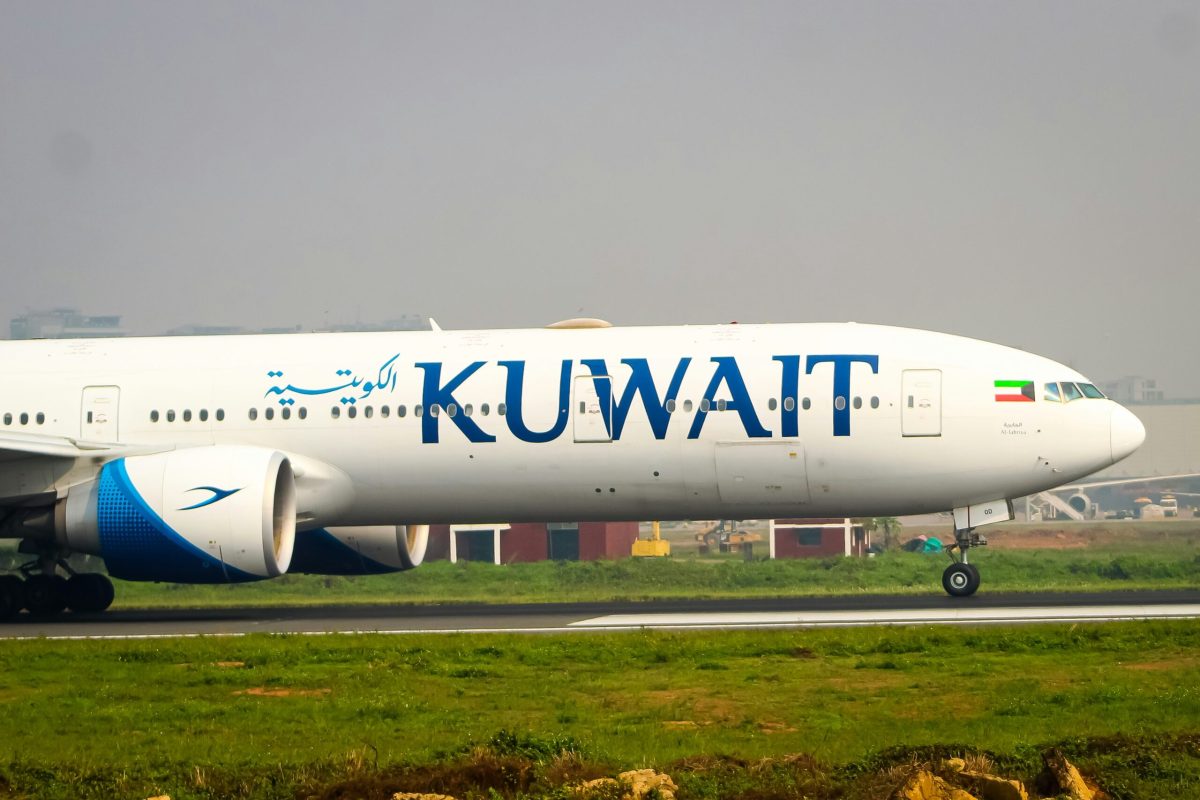
Kuwait's skies are finally filling with aircraft again. On April 24, the country officially reopened its airspace for the first time in two months, ending one of the most disruptive periods in the region's aviation history. Two days later, commercial operations resumed, with the national carrier Kuwait Airways and budget airline Jazeera Airways leading the charge back to the tarmac.
The restart isn't happening all at once. Instead, Kuwait's civil aviation authority is taking a deliberate, phased approach. Kuwait Airways is beginning with 17 routes from its home base, including service to London, Istanbul, Mumbai, Cairo, and Manila. Jazeera Airways is restoring connections to Istanbul, Beirut, Damascus, Dubai, Cairo, Amman, Kochi, Mumbai, and Delhi. For now, both carriers will continue partial operations from Dammam in Saudi Arabia, a five-hour drive away, as backup while the airport stabilizes.
The reason for this careful strategy becomes clear when you see what happened to the airport during the conflict. Iranian missiles and drones struck both terminals directly, damaged the radar system, and destroyed fuel storage facilities. Terminal 2, still under construction, took heavy fire. These aren't minor repairs. Rebuilding operational capacity takes time, especially when the stakes are this high.
A Region Still Finding Its Way
Kuwait isn't alone in trying to stitch its aviation network back together. Across the Middle East, airports and airlines are reopening at different speeds, creating a patchwork recovery. Bahrain, Iraq, and Israel reopened on April 8. Iran partially reopened on April 18. Qatar's Hamad International Airport resumed operations, with various regional carriers including Oman Air, Royal Jordanian, Middle East Airlines, and Himalaya Airlines staggering their returns throughout late April.
Dubai International Airport, also hit during the conflict, bounced back faster. It reopened on March 2, and now Emirates has restored nearly 80 percent of its network from there. Smaller carriers like flydubai and Air Arabia followed suit in late April. Saudi Arabia and Oman kept their airspace open throughout the crisis, though both experienced heavy cancellations and delays. Virgin Atlantic even scrapped its Saudi Arabia service entirely, barely a year after launching there.
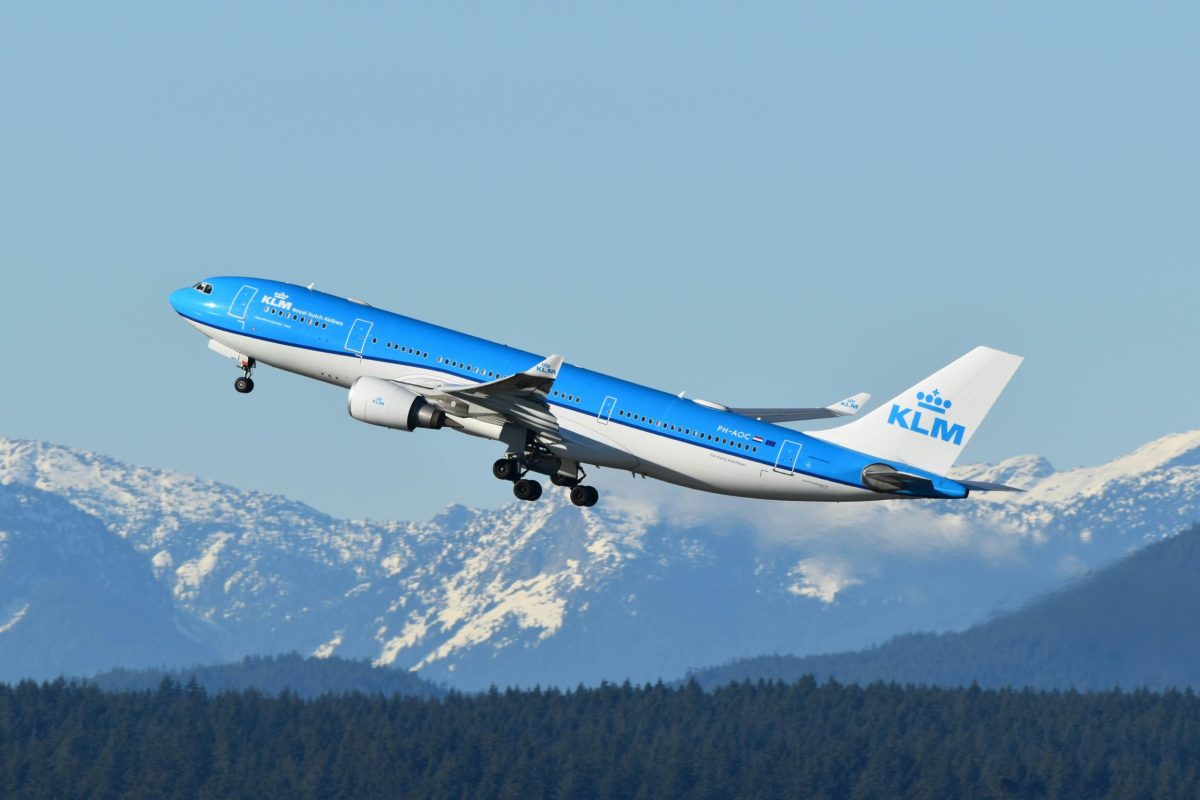
But here's the catch: the big European players aren't back yet. Air France, Lufthansa, KLM, and British Airways have all kept their suspensions in place at Kuwait. This mirrors a broader trend across the region. Over 25 airlines have reduced or suspended Middle East flights, a move reflecting both the operational challenges and the hit to traveler confidence.
The Traveler Question Lingers
Here's the uncomfortable truth: reopening airspace doesn't automatically bring travelers back. The conflict has done real damage to confidence. Potential losses across the region are running into the billions. Many people who might have booked flights to the Middle East are now playing a waiting game, postponing decisions until the situation feels more stable. They're watching how things unfold before committing to trips.
For those following along at home, the message is mixed. If you've got a trip planned to Kuwait or the broader region, your options are improving but remain limited. National carriers are your best bet right now. International service is still sparse. And the usual travel perks like full route networks and seamless connections? Those are still a few weeks away at best.
The region's recovery mirrors something we've seen before in aviation. After major disruptions, resilience comes not from rushing back but from rebuilding carefully. Kuwait is taking that lesson seriously, and so far, the cautious restart seems to be working. But for travelers, patience remains the operative word.