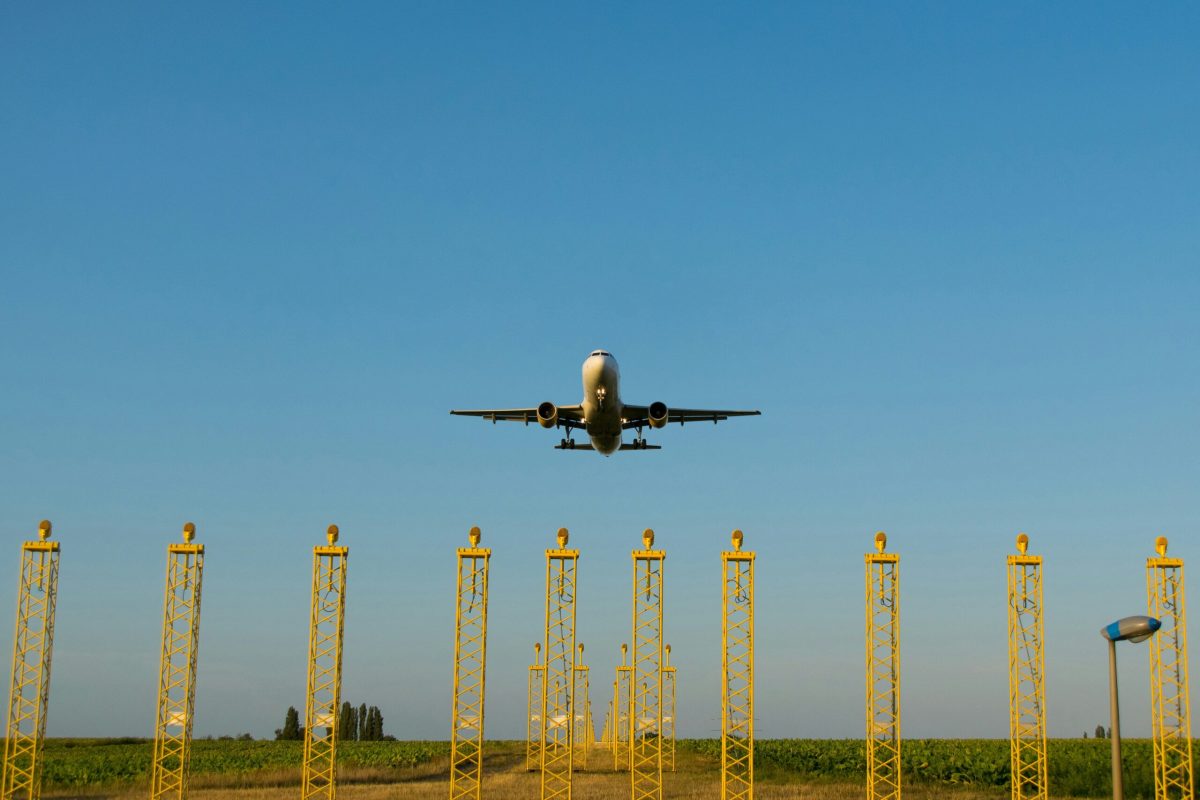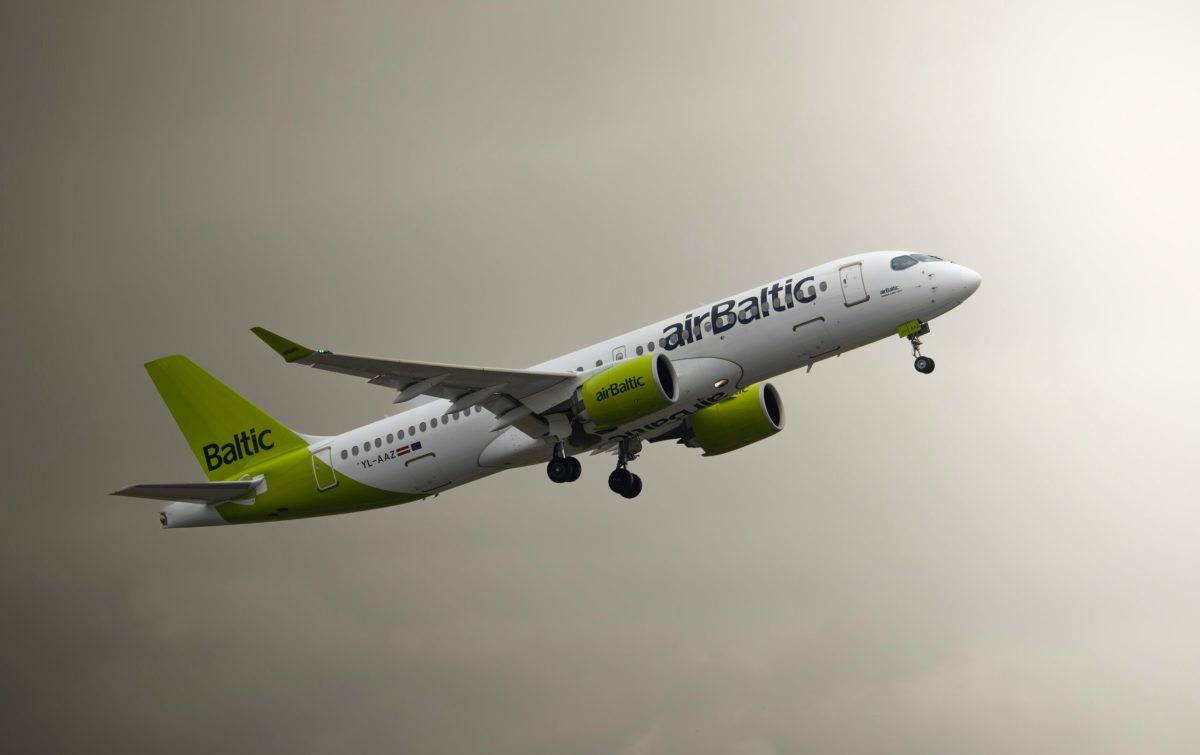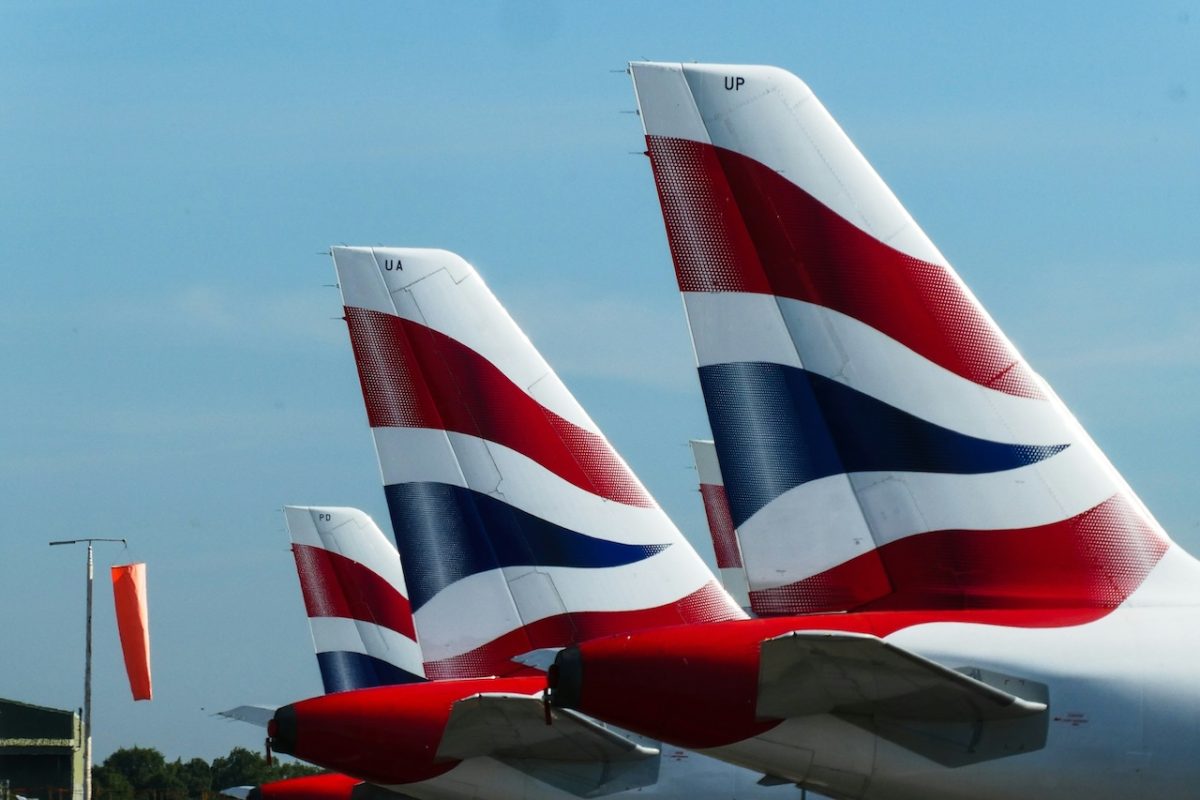
The skies above Britain are about to get a lot less crowded this spring, and not in a good way. At least 120 flights departing from UK airports have been axed for May 2026, erasing roughly 26,570 seats from schedules. While that sounds like a small slice of overall departures, the timing couldn't be worse. Many cancellations fall during Whitsun, the UK's most cherished school holiday break, when families traditionally head abroad en masse.
The culprit? A global fuel crisis triggered by Middle East geopolitical tensions and a blockade affecting the Strait of Hormuz. Major airlines are hemorrhaging money on fuel costs, and they're responding by trimming capacity wherever they can. Around one quarter of the UK cancellations are originating from London's airports, but the pain is spreading across the continent and beyond.
June looks equally rough. Carriers have already dropped 36 flights from UK departure boards, slashing another 7,972 seats. Globally, the picture is darker still. Between April 10 and 21, carriers worldwide canceled 1.5 percent of all May flights, representing two million lost seats. For context, this is the aviation world's equivalent of a traffic jam that never ends.
Airlines Taking a Massive Hit
The financial toll on carriers is staggering. International Airlines Group, which owns British Airways, is bracing for a two billion euro profit hit this year. Air France has warned fuel costs will jump by two billion euros annually. American Airlines anticipates a four billion dollar increase in fuel expenses. Even AirAsia's co-founder, Tony Fernandez, has publicly stated the situation is worse for aviation than COVID-19 was.
Lufthansa has responded most dramatically, standing down 20,000 flights across a six-month stretch. It's not a panic move either. Airlines say advance cancellations are preferable to leaving passengers stranded at airport gates, and there's logic to that argument. Better to know now than discover you're stuck in an airport queue at 6am.
What This Means for Your Summer Getaway
Not every destination will suffer equally. Julia Lo Bue-Said, chief executive of Advantage Travel Partnership, points out that airlines are protecting their bread-and-butter routes. Classic summer holiday hotspots remain reasonably safe, meaning your trip to Spain or Greece likely won't get binned. If you're heading somewhere obscure, though, check with your airline directly.
The consumer champion Which? Travel is urging caution. Editor Rory Boland acknowledges that anxious travelers have legitimate reasons to worry, and he's recommending package holidays that bundle in price protection. If your flight gets canceled, package deals typically ensure you're not left out of pocket.
Government and Regulatory Responses
Recognizing the emergency, the UK government has loosened rules allowing airlines to merge flights and consolidate passengers. Transport Secretary Heidi Alexander has confirmed plans to import fuel from the US and boost domestic refinery output. It's a stopgap, but it signals how serious things have become.
European regulators, however, are holding firm. Apostolos Tzitzikostas, the European Commissioner for Sustainable Transport, has refused to declare special circumstances that would let airlines off the hook for passenger compensation. This means if your flight is canceled, you still have strong legal protections. Airlines must still reimburse and assist affected passengers, unless they can prove an extraordinarily localized fuel shortage under narrow conditions. The bar for that exception is high, which is good news if your plans get derailed.
Bottom line: book smart, choose routes that won't get hit hardest, and read the fine print on protections. The summer skies are turbulent, but there's still plenty of travel happening. You just need to navigate the mess carefully.