Picture this: an airline calls to say they've cancelled your flight. Then they rebook you on another flight the same day, fuller and more efficient. That scenario is about to become far more common across the UK as airlines navigate a fuel crisis that's reshaping how they schedule summer flights.
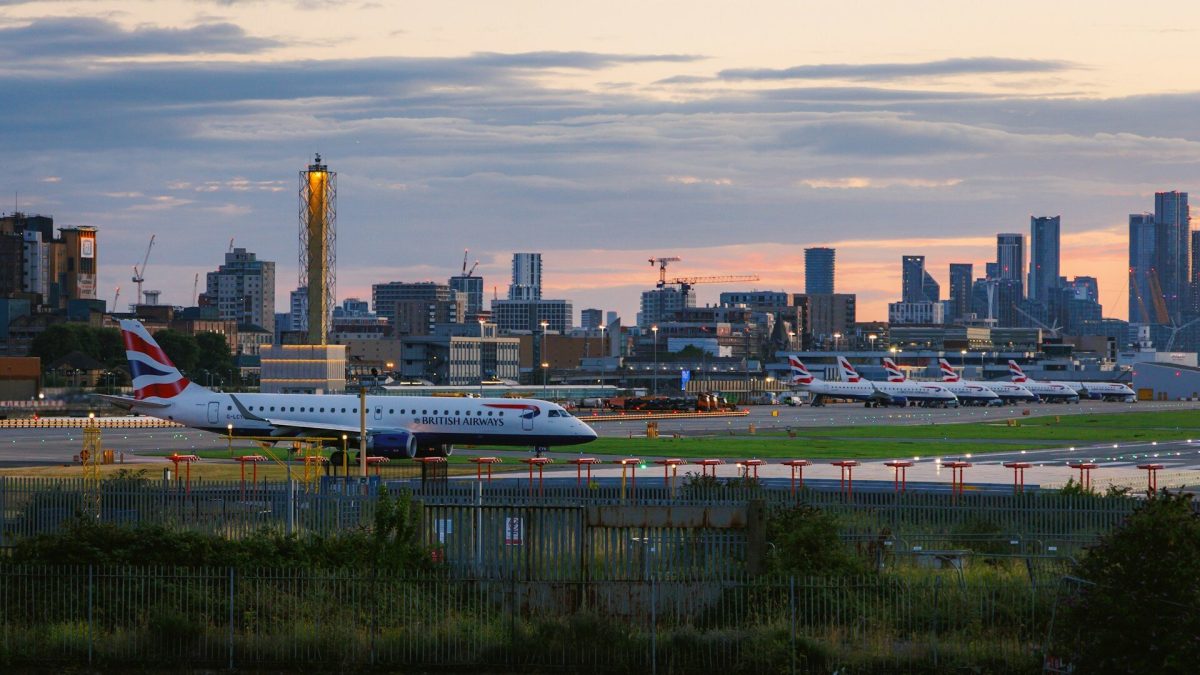
The UK government just handed airlines a temporary lifeline. Starting now, carriers can cancel or merge flights without the usual penalty of losing their airport slots at major hubs like Heathrow and Gatwick. Those slots are worth tens of millions of pounds and typically must be used at least 80 percent of the time to retain them. Removing that requirement gives airlines breathing room to adjust their schedules without operating near-empty "ghost flights" that burn fuel for almost no reason.
Transport Secretary Heidi Alexander framed the move as a way to help airlines build realistic schedules in advance rather than scramble with last-minute cancellations. British Airways, Virgin Atlantic, and easyJet all backed the plan. The idea is simple enough: consolidate business routes, protect holiday flights, and move passengers to fewer, fuller planes heading to actual vacation destinations. Lufthansa's 10 daily flights from London Heathrow to Frankfurt might drop by a couple, while that Luton-to-Mykonos summer escape is far likelier to fly.
Why the Middle East Matters to Your Flight
The real problem sits thousands of miles away. On February 28, a US-Israel strike on Iran triggered a regional conflict that disrupted shipping through the Strait of Hormuz, one of the world's most critical jet fuel routes. Iran has continued to block or severely restrict passage. Since then, the situation has thawed into a fragile ceasefire, but fuel supplies remain strained. The UK imports roughly 65 percent of its jet fuel, and much of it came through that same waterway. European airlines have now hit a three-month fuel supply threshold that triggered industry-wide concern.
The International Energy Agency has already flagged June as a potential crunch month for European fuel supplies. The UK is scrambling to diversify, ramping up imports from the US and Africa while pushing domestic refineries to maximum capacity. Think of it as an energy version of rerouting supply chains around a global chokepoint.
What This Means for Your Booking
Here's the practical bit: if your flight gets cancelled or significantly altered, you still have rights. UK and EU regulations protect you. If the airline gives you fewer than 14 days' notice, you're entitled to rerouting on another flight or compensation. Consumer groups have also noted that airlines could already make these kinds of changes under existing rules, provided they gave sufficient warning. This new measure just removes the airport slot penalty, giving carriers more incentive to consolidate intelligently rather than gamble on keeping every flight on the books.
Some have criticized the approach as heavy-handed, claiming passengers get "herded onto whichever plane the airline chooses." Rob Bishton, chief executive of the UK Civil Aviation Authority, countered that the relaxed rules will actually prompt airlines to give passengers as much notice as possible so they can plan alternatives.
The fuel crisis is part of a larger reckoning in aviation. Budget airlines are already under pressure from soaring fuel costs, and summer 2026 is shaping up to be one of the most unpredictable travel seasons in years. The UK's temporary exemption is expected to become formal law through a statutory instrument this week, giving airlines the legal clarity they need to restructure schedules before peak season hits.
Bottom line: check your booking regularly, sign up for flight alerts, and keep your confirmation handy. The summer won't be chaos, but it will be different. Airlines are playing 3D chess with fuel, slots, and passenger comfort, and the winners will be those who plan ahead rather than those who panic at the last minute.