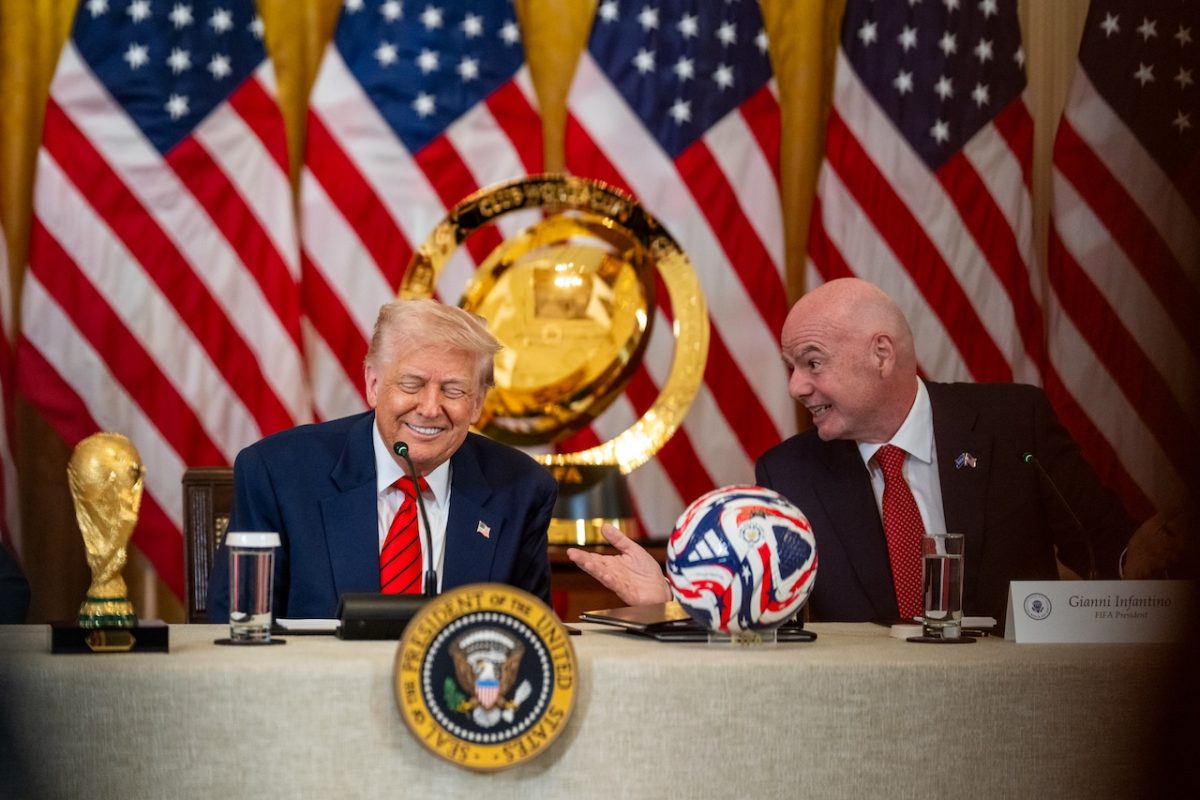
The United States just announced a win for football fans heading to the 2026 FIFA World Cup. The catch? Most of you probably won't qualify.
Here's what happened. The US government has suspended its Visa Bond Pilot Program for specific groups of World Cup ticket holders. If you're unfamiliar with this scheme, it required visitors from 50 countries to pay hefty upfront bonds (anywhere from $5,000 to $15,000) when applying for tourist or business visas. Five World Cup-qualified nations fell under this rule: Algeria, Cape Verde, Senegal, Ivory Coast, and Tunisia. That bond was refundable after you left the country, provided you followed the rules, but most people don't have fifteen grand sitting around to lock up for weeks.
So the relief sounds huge, right? The reality is far more confined. The waiver mainly covers official delegations (think players, coaches, and support staff) plus some immediate family members in limited cases. For regular fans with tickets, benefits depend on jumping through several hoops, and timing matters everything. You had to register early through the FIFA Priority Appointment Scheduling System (FIFA PASS) to qualify. The system was designed to help ticket holders secure faster visa appointments at US embassies and consulates, but uptake has been surprisingly weak. Fewer than 17,000 people globally have signed up. Many supporters who hesitated or were unsure about the process have likely missed the window entirely.
Who actually benefits from this change
The policy is messier than the headlines suggested. The State Department framed this as a targeted easing rather than scrapping the bond program altogether. Translation: it's still selective, still complicated, and still leaves plenty of fans exposed. Anyone who didn't register in time with FIFA PASS faces the original bond requirement. The bureaucracy works against spontaneous travelers and people who book late.
The broader travel environment for World Cup visitors remains fractured. Some countries, including Iran and Haiti, face entry bans into the United States despite their teams qualifying for the tournament. Human rights organizations have flagged serious concerns. Amnesty International and others issued travel warnings about the overall visa climate, noting that restrictions extend well beyond the bond program.
The economics don't look rosy either
Host cities are bracing for a more subdued impact than early forecasts promised. Economic gains will be modest. Many international visitors are expected to replace regular tourists rather than add new spending on top of existing travel budgets. Major cities like New York and Miami probably won't see blockbuster tourism surges, though smaller host cities could feel more noticeable effects. Travel industry groups have sounded the alarm about visa uncertainty dampening international demand, which has already rippled through hotel bookings and travel expectations months before kickoff.
Similar patterns have emerged elsewhere when destinations tighten entry rules. Recent policy shifts in other countries show how visa changes reshape visitor numbers, sometimes dramatically. The US faces the uncomfortable reality that entry barriers, even temporary ones, suppress demand.
What this means for fans heading to 2026
If you're holding a World Cup ticket and coming from an affected country, track down the FIFA PASS system immediately if you haven't already. Verify your eligibility and your application status. Don't assume you fall under the waiver. Call your nearest US embassy or consulate to confirm whether the bond suspension applies to you. The fine print exists for a reason.
For everyone else planning to attend, visa preparation remains a critical part of trip planning. Travel policy changes can reshape entire trips, so don't leave documentation to the last minute. The US clearly wants to project hospitality for the tournament, but the machinery of entry screening remains intact and unpredictable.
The 2026 World Cup promises to be massive. But fans from certain countries will find the path to getting there far tougher than others, even with this supposed easing of restrictions.