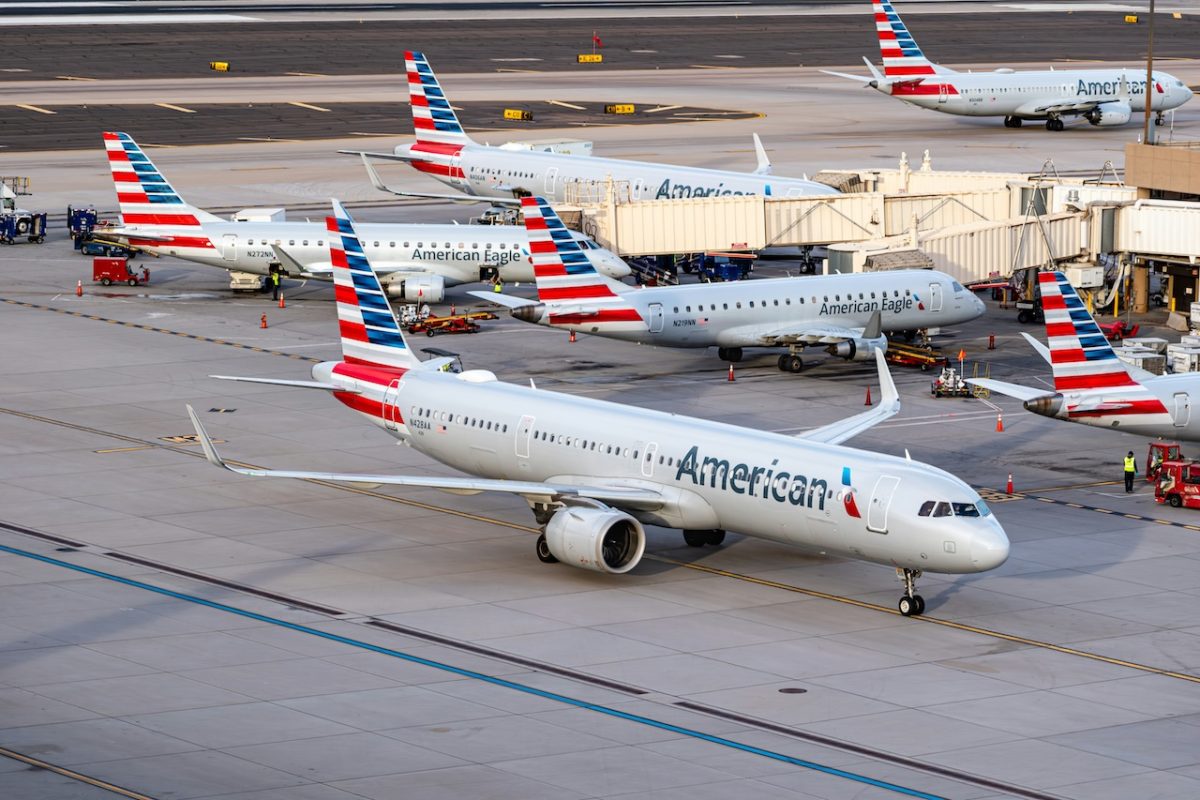
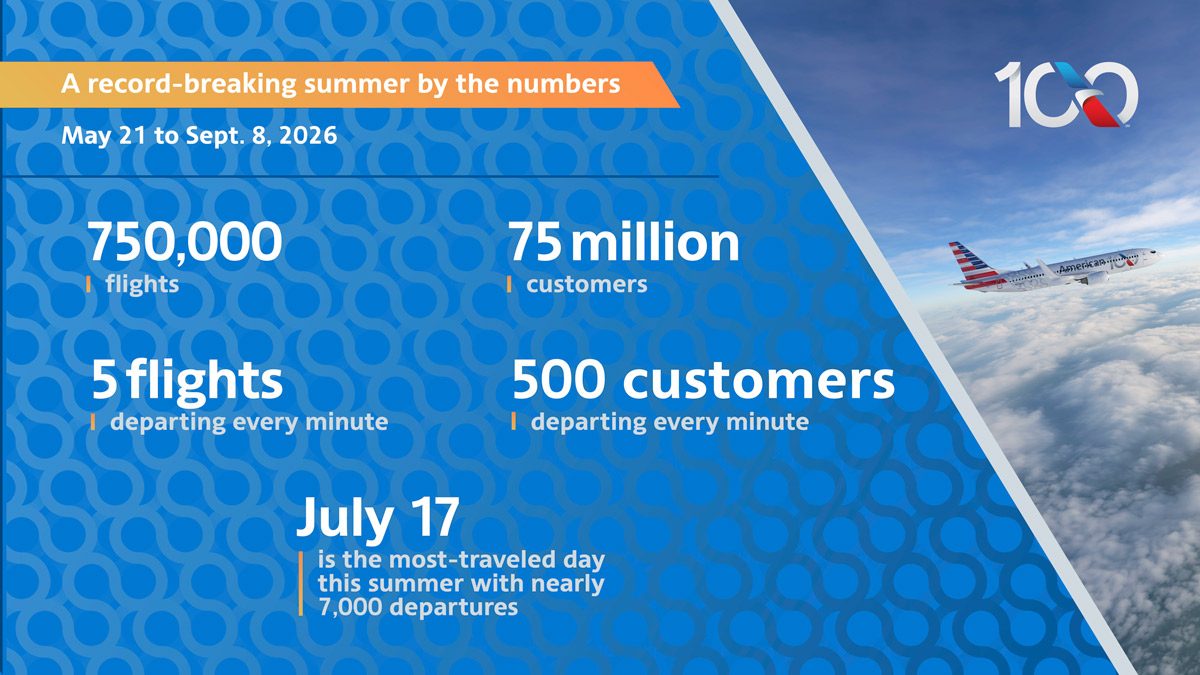
American Airlines is swinging for the fences. The carrier just announced plans to transport 75 million passengers across 750,000 flights between late May and early September 2026, which would shatter its previous summer record set before the pandemic hit. The ambition is real. The airline is expanding routes to Europe, Latin America, and key US hubs as leisure and international travel demand continues climbing.
The numbers paint a picture of a travel industry that's fully recovered from COVID-19 disruptions. We're not just bouncing back; we're sprinting past where we were. Chicago O'Hare alone will see more than 5.2 million American passengers this summer, an 11% jump from 2025 and nearly 50% growth compared to 2023. The airline is even resurrecting routes that have been dormant for years, like a second daily flight between Miami and Caracas after an eight-year absence.
The Reality Check
But here's where things get interesting. The FAA recently imposed temporary flight caps at O'Hare to manage congestion and improve on-time performance. Despite American's enthusiasm, the airport will be capped at 2,708 daily flights from mid-May through late October. That's a meaningful constraint when the airline's peak summer days previously reached 3,080 flights. American supported the move anyway, recognizing that fewer delays benefit everyone.
This is the perennial challenge of modern air travel. Airports and airlines worldwide are already bracing for summer congestion, and American's aggressive expansion puts operational pressure on an already strained system. The airline is counting on technology to help smooth the friction.
Preparing for the Rush
American is rolling out a suite of digital tools ahead of the busy season. You'll find self-service rebooking and real-time bag tracking through the airline app, Samsung Wallet boarding passes (an industry first), and expanded TSA PreCheck Touchless ID at 60 airports. The airline is also launching free Wi-Fi for AAdvantage members and introducing Connect Assist technology to help passengers navigate tight connections more smoothly.
At Dallas/Fort Worth, the airline has created a One Stop Security program that streamlines connections to London Heathrow, a route that will likely see heavy traffic next summer. These aren't flashy upgrades, but they're the kind of operational tweaks that matter when you're shuffling millions of people through terminals.
The Cost Squeeze
None of this comes cheap. American already lowered its 2026 profit forecast earlier this year because of higher jet fuel costs tied to geopolitical tensions. Travel demand remains strong, the airline insists, but the financial headwinds are real. Rising operational costs are already pushing ticket prices higher across the industry, and summer 2026 will likely test how much more travelers are willing to pay.
The broader picture is equally complicated. Airlines and airports across Europe and North America are already fretting about delays and schedule disruptions. European airports face additional pressure from the EU's Entry/Exit System, which has created long queues for non-EU travelers and forced countries like Greece to temporarily ease biometric checks during peak season. What's happening abroad will likely reverberate in how US carriers manage their transatlantic routes.
What This Means for You
If you're planning a summer 2026 trip, book early and build in buffer time. American's expansion means more flight options, which is genuinely good news. Orlando, London Heathrow, and Boston are shaping up as particularly popular destinations, so expect competition for seats on those routes. Use the airline's digital tools to stay flexible, and consider traveling in shoulder season (late May or early September) if your schedule allows.
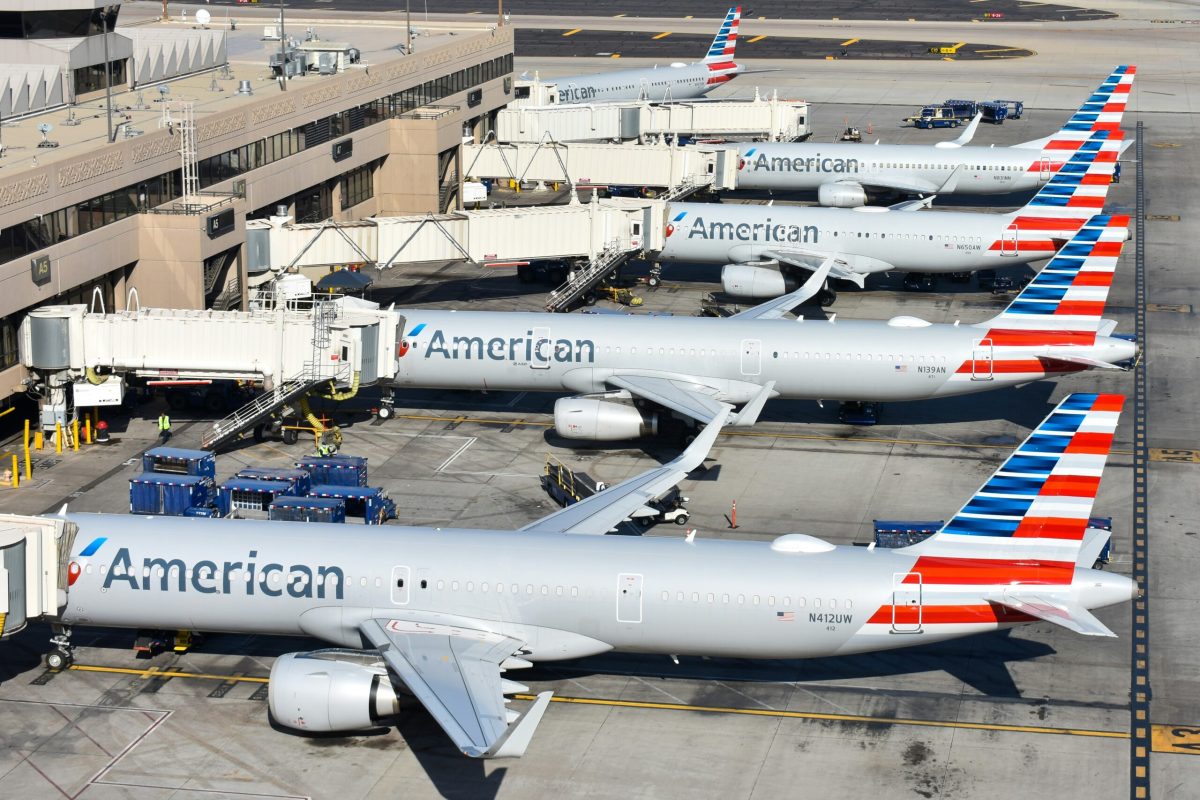
American Airlines operates over 6,000 daily flights to more than 350 destinations across 60 countries, so the scale of what's coming is enormous. Summer 2026 will be a revealing moment for the aviation industry, showing whether the combination of strong demand, expanded capacity, and new technology can actually work together. For travelers, that's reason for cautious optimism mixed with realistic expectations about what busy season actually feels like.