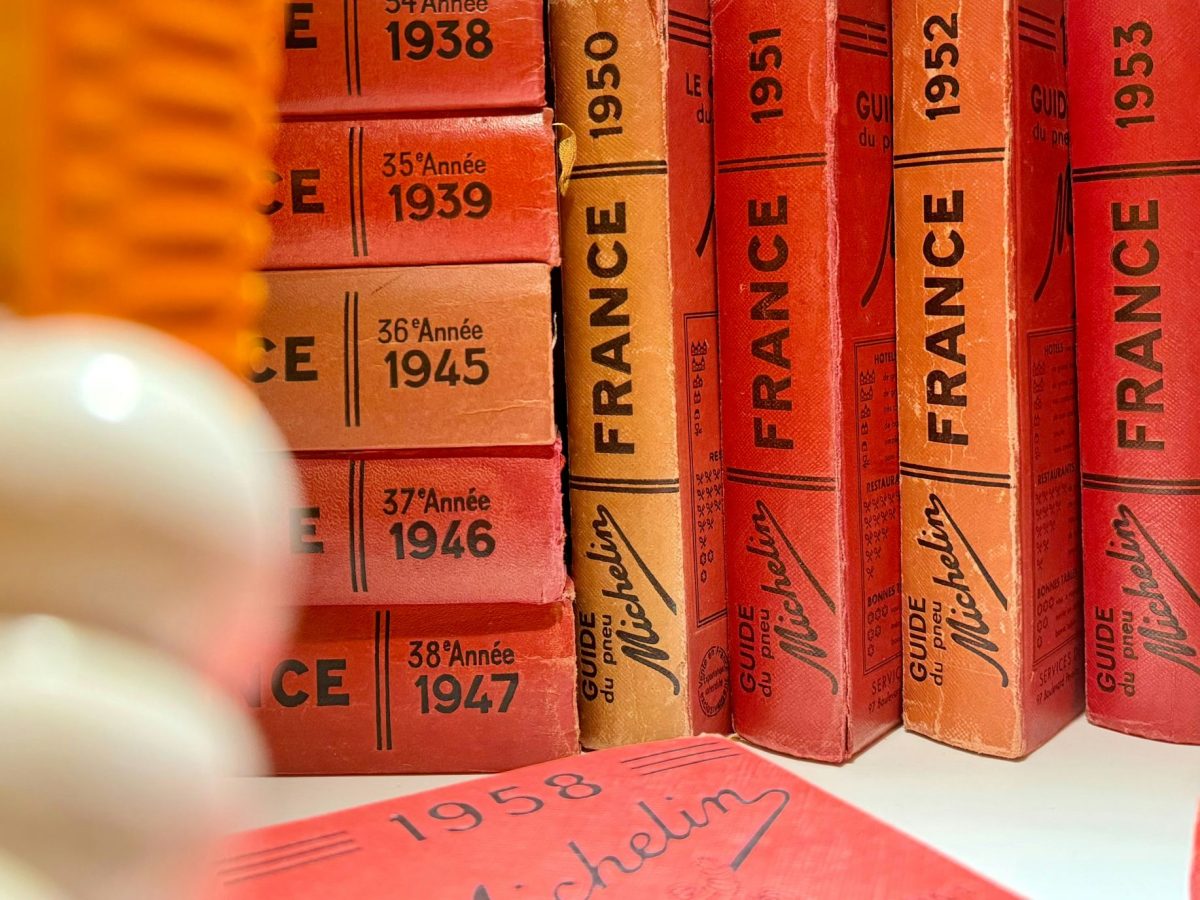
In 1900, André and Edouard Michelin faced a problem. Their tire factory in Clermont-Ferrand was thriving, but France's roads were terrible. There was no internet, no roadside diners, and practically no infrastructure for the handful of people crazy enough to drive a car. The brothers saw an opportunity.
They printed 35,000 copies of a small red book, handed it free to anyone who bought their tires, and called it the Guide Michelin. It wasn't fancy. Inside were maps, lists of mechanics, hotels, restaurants, places to refuel, and even doctors. The stated goal was straightforward: give drivers everything they needed to survive a long journey across France. The unstated goal? Get people to drive more, use more tires, and make more money.
"This book will be published at the turn of the century, and it will last just as long," André Michelin wrote in that first edition. He wasn't wrong.
By 1920, the guide had become so popular that the Michelin brothers did something unexpected. They started charging for it. Seven francs per copy. The story goes that André spotted a mechanic using a free copy as a doorstop, which apparently was all the market research he needed. Drivers wanted it so badly they'd pay for it themselves.
The Stars Arrive
Then came 1926. The Michelin Guide introduced something that would reshape how we eat: a single star, indicating "good tables." Five years later, two more stars arrived, each with its own meaning. One star meant "very good restaurant." Two stars meant "excellent cooking, worth a detour." Three stars, the jackpot, meant "exceptional cuisine, worth a special journey." Some chefs have spent entire careers chasing those three stars, building restaurants that become pilgrimage sites for food obsessives worldwide.
What made the system credible was the inspectors. Starting in 1933, Michelin hired anonymous employees to eat their way through France, visiting restaurants, taking notes, judging everything from the quality of ingredients to the precision of technique. These mystery diners became the judges that no restaurant owner could ignore. They still are. A star award can triple a restaurant's reservations overnight. A star removal can close the place within months.
The three-tier system stuck. A century later, it's barely changed. One star still means very good. Two stars still means excellent. Three stars still means you should probably book a flight.
From France to the World
For decades, the Guide Michelin was basically a French thing. Then it expanded. Today it covers 28 countries in more than 25 titles. You can get a Michelin rating in Belgium, Germany, Spain, Italy, Japan, and beyond. Even Portugal recently received its first official Michelin inspections, a sign that fine dining has gone global.
The guide has evolved too. New categories appeared over the years. "Bib Gourmand" restaurants offer excellent food at reasonable prices, which might be the most useful designation ever invented for actual humans eating actual meals. Green stars, introduced more recently, reward chefs doing serious work on sustainability, from sourcing local ingredients to minimizing waste.
Airlines have started recruiting Michelin-starred chefs to cook at 37,000 feet, a sign of how much cultural weight those stars carry. When Michelin finally expanded beyond restaurants to hotels and stays, it was almost anticlimactic. The brand had already won.
What started as a clever sales gimmick for tire salesmen has become the single most influential force in fine dining worldwide. Chefs obsess over it. Cities promote it. Travelers plan trips around it. Few marketing ideas from the 1900s have had that kind of staying power. André Michelin's bold prediction a century ago has proven remarkably prophetic. His little red book didn't just last 100 years. It fundamentally changed how the world eats.