Forget packed beaches and sunbed gridlock. The world's travel elite have spoken, and they want something different in 2026. Fteri Beach in Kefalonia, Greece, has been crowned Europe's best beach and the second-best globally, according to The World's 50 Best Beaches ranking. The verdict came from over 1,000 travel professionals, writers, and influencers who judged beaches on nature, swimming conditions, crowd density, and how untouched they feel.
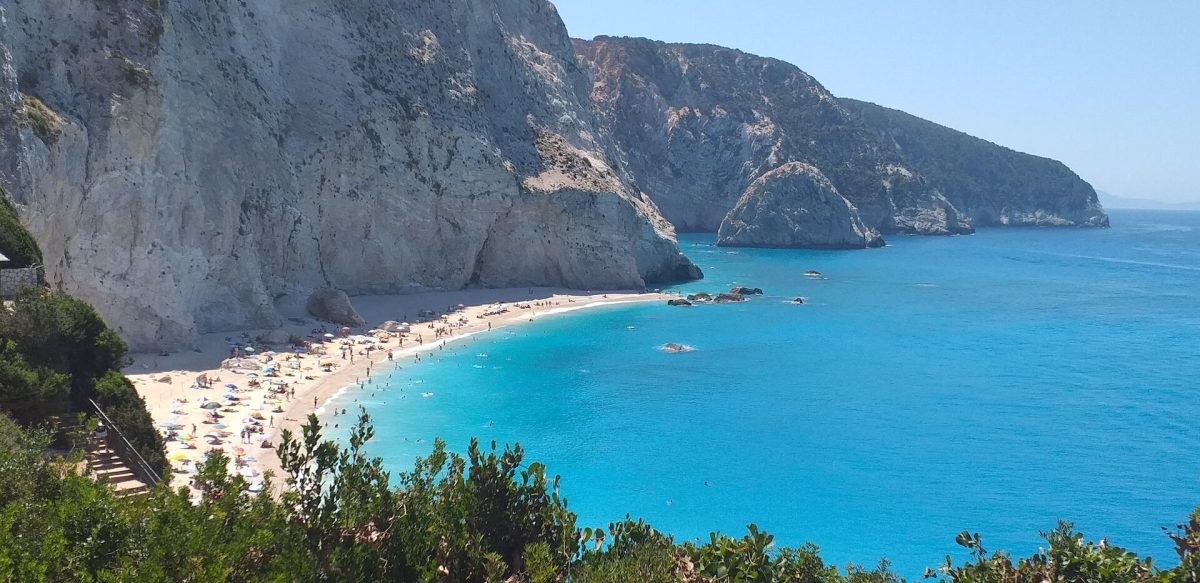
What makes Fteri stand out? The beach delivers the full fantasy: brilliant white sand, turquoise water so clear you can see the seabed, and dramatic limestone cliffs rising from the shoreline. But here's the catch (and perhaps the real reason it remains pristine). Fteri isn't a simple stroll from a parking lot. You either hike a steep trail or catch a boat from nearby ports. That friction is the whole point. The difficulty of access keeps crowds minimal and preserves the natural calm that makes the beach special.
The ranking reveals something bigger than one beautiful beach. Travel patterns are shifting hard toward quieter, less developed coastlines. Spain, Italy, and Greece dominated the European top three, with Cala Macarella in Menorca and Cala dei Gabbiani in Sardinia rounding out the podium. Turkey and Greece also placed strong showings with Kaputaş Beach and Porto Katsiki. But the real story is the diversification. Greece's Border Gamble Is Luring British Tourists Away From Spain, and coastal destinations in France, Portugal, and Ireland are now grabbing serious attention from travelers hunting beyond the usual suspects.
Why Crowds Are Out, Effort Is In
Beauty alone doesn't cut it anymore. Judges placed heavy weight on environmental protection and low visitor numbers. Beaches that demand extra effort (boat access, hiking trails) are becoming more desirable, not less. This reflects a broader travel trend: people are actively rejecting overcrowded tourist zones in favor of places that feel genuinely preserved.
Greece understands this moment. The country announced that roughly 250 beaches would receive protected "untouched" status, which limits sunbeds, water sports rentals, and large-scale tourist infrastructure. Many fall under the Natura 2000 network, which safeguards valuable ecosystems and wildlife habitats across Europe. Greece even launched the MyCoast app to help visitors identify protected beaches before booking, turning conservation into a feature, not a restriction. The government hopes these moves will keep its coastlines intact while satisfying travelers craving quieter escapes.
The Global Picture
Europe's best beaches are compelling, but the global ranking adds another layer. Entalula Beach in the Philippines won the world title thanks to its remote setting, limestone formations, and impossibly blue water. Australia's Wharton Beach ranked third, celebrated for exceptional surfing and untouched conditions. Madagascar's Nosy Iranja and Fiji's East Beach on Vomo Island rounded out the top five. Koh Rong in Cambodia entered the global top 10, signaling that Southeast Asia is emerging as the destination for travelers fed up with European crowds.
The timing matters. American Airlines is betting big on summer 2026, which suggests major travel volumes are coming. If you want to visit these ranked beaches before they follow the typical trajectory from secret to saturated, the window is tightening. Start planning now, lace up your hiking boots, and embrace the journey to get there. That's exactly the kind of traveler these beaches are made for.