Mark your calendar: Beja, a historic city in Portugal's Lower Alentejo region, is about to host something unprecedented. The Global Summit on Responsible Wine Tourism lands in Europe for the first time between May 31 and June 3, 2026, and it's bringing with it around 300 industry figures from across the wine world.
This isn't just another trade show. The summit will gather wine producers, tour operators, investors, academics, and public officials for four intensive days at the Pousada de Beja, a restored 13th-century Franciscan convent in the city center. The inaugural session on June 1 will be officially opened by Beja's mayor and Portugal's Secretary of State for Tourism, signaling just how seriously the country is taking this event.
Why Beja, why now
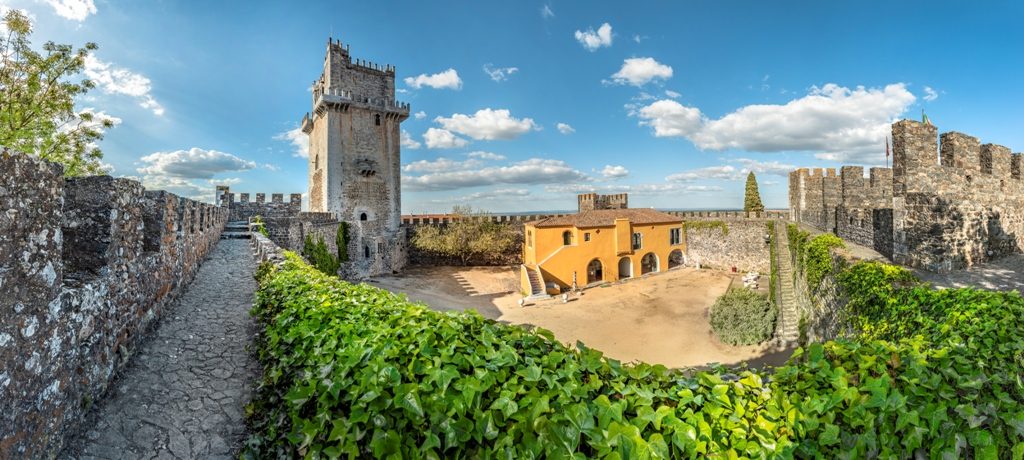
Beja isn't a random choice. The city, dominated by a 14th-century castle with an imposing tower that's now a municipal symbol, sits in the heart of one of Europe's most underrated wine regions. The Lower Alentejo's warm Mediterranean climate produces increasingly respected reds and whites, and it's also become known for reviving ancient Talha wine, a traditional amphora-style production that's gaining serious traction among wine enthusiasts.
Timing matters too. This summit is part of the official program for European Wine City 2026, a designation that's putting the entire Alentejo region on the global stage. José Manuel Santos, president of the Alentejo Regional Tourism Entity, sees this as a turning point. "This will help us better sustain and structure wine tourism products in the region," he said, and the scale of the event suggests he's right.
What happens next
The summit isn't a one-off. It's the European edition of an annual gathering that's been held everywhere from Uruguay to China, bringing together thought leaders on how wine tourism can grow responsibly. That word "responsibly" matters. As travel becomes increasingly scrutinized for its environmental and social impact, Europe's tourism sector continues to evolve, and wine regions are taking note of how to do things better.
For travelers, what this means is a region actively thinking about sustainable tourism, heritage preservation, and long-term economic benefit rather than quick extraction. The summit will showcase Alentejo's landscape, cultural heritage, and innovative practices to a global audience. Expect new wine tourism products, better-structured experiences, and a region that's ready to welcome visitors who actually want to understand the wine, not just drink it.
Planning your visit
If you're thinking of being in the area, Beja itself rewards a visit. The city center contains Manueline-style architecture, and the pousada hosting the summit is itself a restored historical gem. The surrounding Alentejo region is spacious, affordable, and largely undiscovered compared to the Douro Valley further north. If you're planning a Portuguese visit, remember that this region offers serious depth without the crowds.
The summit runs June 1-3, but the broader European Wine City 2026 program spans the entire year. Wine producers, tour operators, and hospitality businesses across the 13 municipalities that make up the Lower Alentejo are already gearing up. Whether you attend the summit itself or visit the region during one of the other cultural events scheduled throughout 2026, you'll find a place actively reinventing how wine and travel can coexist.
For wine lovers, this is significant. A region determined to improve itself, backed by significant institutional support, and featured in a global spotlight tends to raise its game. Beja's turn in the world's eye is just beginning.