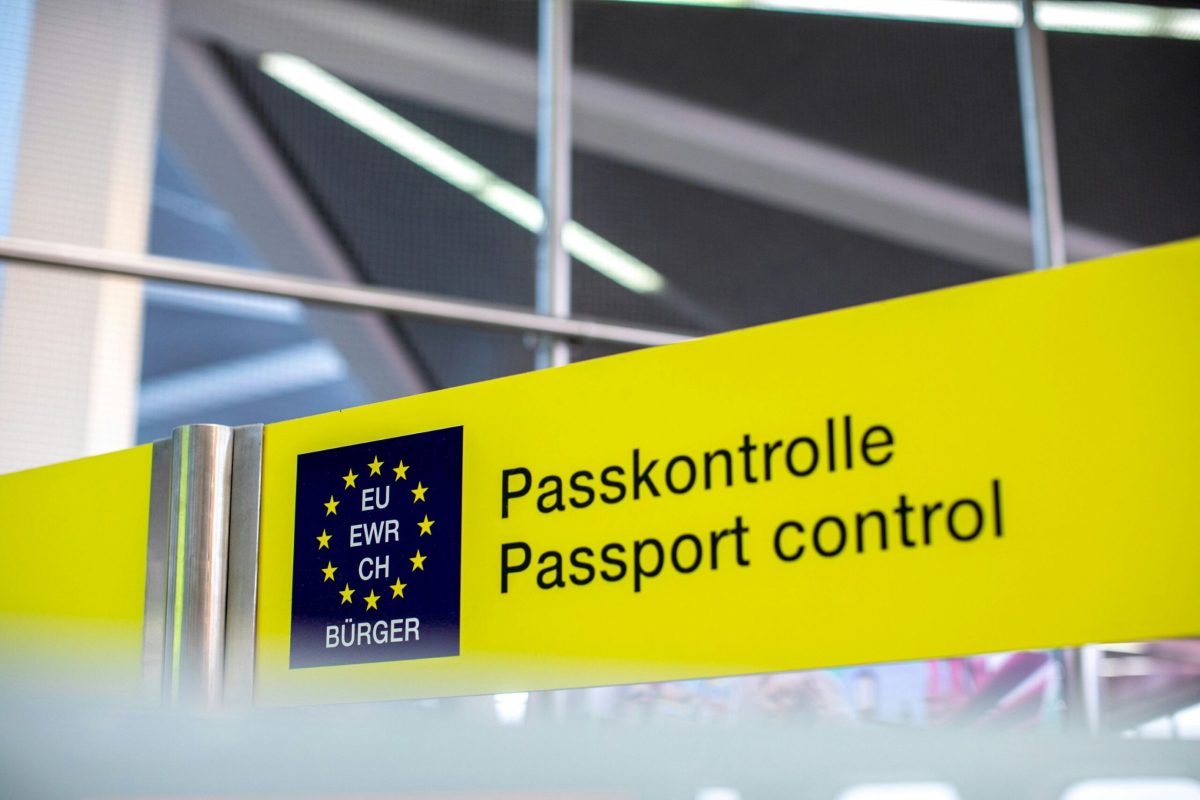
The EU's shiny new Entry Exit System launched this spring with all the promise of smooth, modern travel. Instead, it created something closer to an air traffic jam on the ground. Since April 10, travelers entering the Schengen zone have had to submit biometric data including facial recognition and fingerprints, with their records stored for three years. Theoretically smart. Practically a nightmare.
Picture this: the Port of Dover clogged with frustrated Brits. Humberto Delgado Airport in Lisbon so overrun that authorities called in the national guard just to maintain order. At Milan's airport, an easyJet flight to Manchester departed without 122 passengers who got trapped in security queues. This wasn't a system struggling to find its footing. This was chaos.
Greece saw the writing on the wall and made a bold move. Fearing that long waits at border gates would tank its tourism industry, the country simply suspended EES controls for British passport holders in late March and early April. The results speak volumes. Travel agents report a sharp uptick in British bookings since the suspension took effect. Advantage Travel Partnership saw demand jump from 7.7 percent market share in mid-April to 9.8 percent by month's end. Meanwhile, Spain, the Canary Islands, and the Balearics (typically the top choices for UK travelers) watched their share gradually decline over the same period.
Greek Tourism Minister Olga Kefalogianni isn't shy about what she's done. "We believe that this is an extra reason why somebody would choose Greece over Spain or Portugal," she told The Times. Her stated priority is straightforward: ensure visitors "have a good experience coming in and leaving the country." That's not just savvy marketing. That's acknowledging that a smooth arrival sets the tone for an entire trip.
The Domino Effect Begins
Greece's move opened the floodgates. Portugal, watching its own airports descend into multi-hour queue nightmares, has since relaxed EES controls at Faro, Lisbon, and Porto. Other nations are now considering similar workarounds. What started as one country sidestepping the rules is becoming a broader pattern of selective enforcement.
This inconsistency puts EU officials in an awkward position. While the bloc technically allows countries operational discretion over implementation until September, the whole point of a unified border system is supposed to be, well, unified. Greece's decision to ease rules for British visitors is already triggering tensions between competing Mediterranean destinations fighting for the same travelers.
A System Under Strain Before It Even Started
The EU introduced the EES with genuine intentions: streamline security, reduce paperwork, make cross-border travel faster by storing biometric data for three years so returning visitors skip the registration hassle. Smart thinking. But the rollout ignored a crucial reality. When millions of people suddenly need to register biometric data, even with dedicated kiosks, bottlenecks are inevitable.
Kefalogianni is now calling for a broader European conversation specifically about how to handle British passport holders. "I think we should reconsider how Europe as a whole would deal with British citizens," she said. "It's about time that we make the distinction." The implication is clear: treat the UK market as a special case, acknowledge the volume and importance of British tourism, and build that into how the system actually functions.
For travelers planning a European summer, the takeaway is complicated. As British travelers weigh their options, they now have concrete data that some countries are easier to enter than others. Greece has made its position obvious. Portugal is catching up. Spain and Italy remain stricter with the new rules. If you're booking a beach getaway and want to avoid long queues, Greece is sending a pretty loud signal right now.
The bigger picture is messier. A border system that works differently depending on which country you're visiting defeats the entire purpose of a unified zone. Either the EU enforces the EES consistently across all 27 countries, or it acknowledges that different markets require different approaches. Right now, it looks like the latter is winning, one frustrated airport at a time.