The numbers are staggering. Nearly 9.8 billion passengers passed through the world's airports in 2025, marking a decisive moment for global aviation. That's 3.6% higher than 2024 and a whopping 7.3% above pre-pandemic levels. The airline industry isn't just bouncing back from COVID-19. It's soaring past it.
But here's what should catch every traveler's attention: the geography of these passengers tells a completely different story than it did a decade ago. According to the latest Airports Council International (ACI) World report, Asia and North America are pulling away from Europe in the race for aviation dominance.
Atlanta still rules, but barely
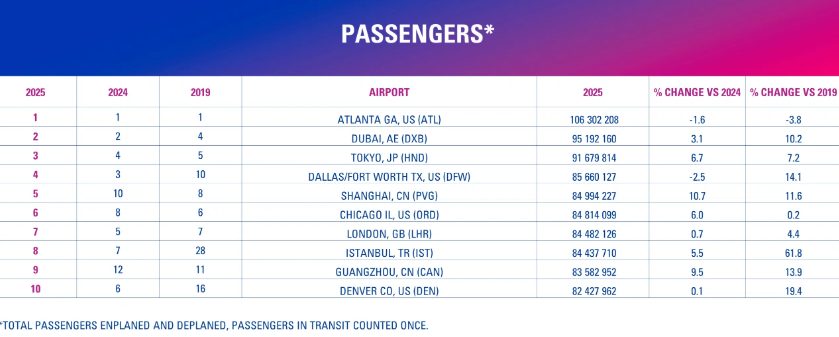
Hartsfield-Jackson Atlanta International Airport clung to its crown as the world's busiest airport, handling 106.3 million passengers in 2025. Yet even this American giant shows cracks in its armor. Passenger numbers dropped 1.6% compared to 2024 and fell 3.8% below 2019 levels. Atlanta's reign looks less like dominance and more like slow decline.
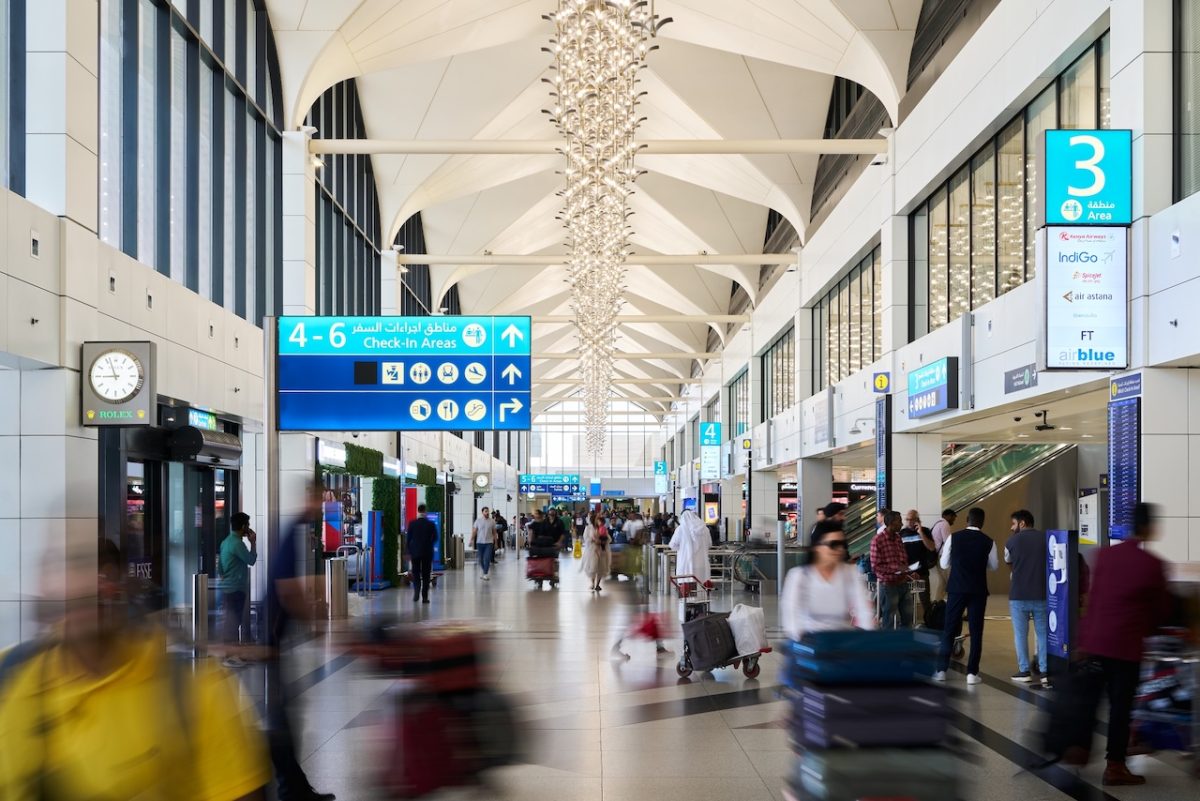
The real story belongs to the runners-up. Dubai International Airport (95.2 million passengers) and Tokyo Haneda Airport (91.7 million) are breathing down Atlanta's neck, growing at rates that suggest a major shift is coming within the next few years.
Europe's airports trapped at the margins
Of the world's 10 busiest airports by total passenger volume, only two are European: London Heathrow and Istanbul. Both registered exactly 84.4 million passengers in 2025. That's it. Just two European airports among the top 10, and they're tied for seventh place.
Compare that to Asia, which claims four spots in the top 10 (Tokyo, Shanghai, Guangzhou, and a second-tier presence through the region's massive hubs). North America owns three airports in the ranking. The Middle East has one major player in Dubai. Europe? Squeezed into the corner.
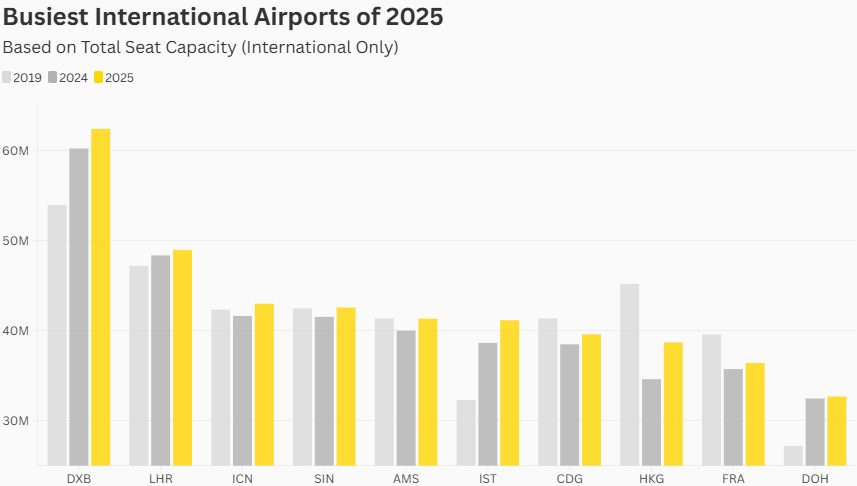
The situation becomes even more dramatic when you look at international passenger traffic specifically. Here, Europe fares better but still trails heavily. Dubai dominates the international rankings with five European airports scattered throughout the top 10: London Heathrow, Amsterdam, Istanbul, Paris Charles de Gaulle, and Frankfurt. That's more than half of Europe's representation coming from international travelers rather than domestic flights.
The disparity hints at a painful truth: while geopolitical tensions redirect some travelers toward European destinations, the continent's aging infrastructure and operational challenges aren't attracting the sustained growth seen elsewhere.
What's driving the shift
Air travel isn't evenly distributed anymore. Global passengers increasingly funnel through Asian megahubs (Tokyo, Shanghai, Singapore's Changi) and Middle Eastern gateways (Dubai, Doha) that serve as connection points between Europe, Asia, and Africa. These airports aren't just national gateways. They're transcontinental crossroads.
Meanwhile, Europe's implementation of new border systems has introduced friction at major hubs like Frankfurt and Amsterdam, slowing passenger flow and making connections more stressful. Add aging terminal infrastructure at airports like Heathrow (currently in a decades-long expansion saga) and capacity constraints at major European centers, and you get a region that's struggling to compete for growth.
Looking ahead with uncertainty
The 2025 numbers represent a snapshot of a moment before significant headwinds. The geopolitical situation in the Middle East has already sent shocks through aviation, with Dubai expressing serious concerns about the impact of regional conflict on its traffic flows. Europe's fuel crises and infrastructure challenges compound the uncertainty.
What happens in 2026 remains a question mark. Will global passenger growth continue at this pace? Will Europe finally invest in modernizing its airports and accelerating border procedures? Or will the continent's share of global air traffic continue to erode? The answer will shape where travelers can get seats, how long connections take, and which cities emerge as the true hubs of 21st-century travel.
For now, one thing is clear: if you want to understand how the world moves, follow the passengers. And right now, most of them are heading through airports in places most Westerners never think about.