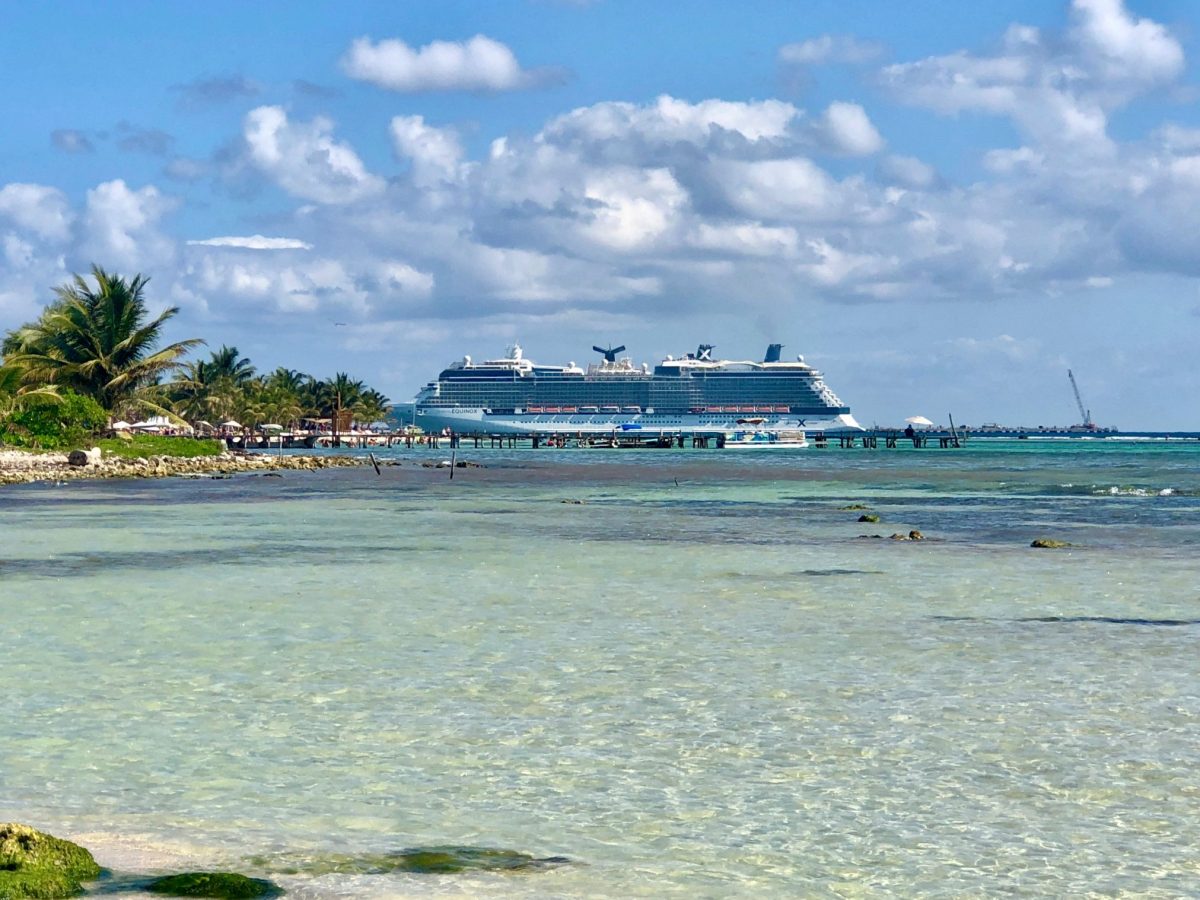
If you've booked a Mexican cruise for the next couple of years, hold onto your wallet. The country is hiking docking fees for cruise passengers in a way that would make any budget traveler wince.
Starting August 2026, Mexico's so-called "Non-Resident Duty" or "Tax Incentive" jumped from $5 per person to $10. But that's just the beginning. By 2027, the fee climbs to $15, and by 2028 it reaches $21 per passenger. That means in less than two years, you'll be paying more than four times what you would have before the hikes kicked in.
Why Mexico is raising the stakes
The government isn't doing this to be difficult. Mexico saw cruise passenger arrivals jump by 12 percent year-over-year in 2025, welcoming 11.2 million cruise tourists to its ports. That's serious money walking (or sailing) into the country, and officials want their cut. Tourism Secretary Josefina Rodríguez Zamora has framed cruise tourism as essential for regional development: "Cruise tourism is a powerful tool for bringing development to regions, diversifying tourism activity, and ensuring that economic growth reaches those who depend on tourism."
In other words, Mexico sees cruise passengers as an untapped revenue stream, and it's ready to tap.
The silver linings for travelers
Before you cross Mexico off your cruise itinerary entirely, there's some good news. If you're doing a multi-port cruise and stopping at several Mexican destinations on the same itinerary, you won't pay the fee multiple times. You'll only owe it once, which saves money for those sprawling Caribbean voyages. The catch: if you book two separate cruises during the same vacation, the fee applies to each one.
The major cruise lines initially resisted these increases. The Florida-Caribbean Cruise Association (FCCA), representing operators like Carnival, P&O, and Royal Caribbean (accounting for over 95 percent of Caribbean and Latin American cruise capacity), complained back in 2024 that the original proposed fees of $42 would make Mexican ports uncompetitive compared to other Caribbean options. That pressure worked. After negotiations with Mexican officials, the FCCA announced they'd reached a compromise and now support the new "in transit fee" agreement.
The industry consensus seems to be that while these fees hurt, they won't kill the cruise boom. Travel analyst Clint Henderson of The Points Guy told Fox News Digital that the increase is "another example of prices going up for travel across the board" but likely won't be a total deal-breaker for most travelers.
The bigger picture on rising travel costs
This isn't happening in a vacuum. Barcelona's already increased taxes on cruise visitors, and ports worldwide are wrestling with the tension between welcoming tourism revenue and managing the social and environmental impact of cruise ships. Dubrovnik famously clamped down on cruise ship arrivals, showing that even popular destinations are saying enough is enough.
Mexico's move comes alongside other cost increases for visitors, including changes to immigration fees and regional environmental taxes. It's all part of a broader trend where travel destinations are figuring out how to monetize the growing flood of tourists.
What this means for your cruise plans
If you're thinking about a Mexican cruise, timing matters now. Booking before 2027 could save you money, especially if you're traveling with a large group or family. Those $10 fees in 2026 beat $21 in 2028 by a significant margin. And if you're flexible, exploring other Caribbean ports might offer better value, though remember that cruise competition and changing policies are making travel costs unpredictable everywhere.
The cruise industry will adapt, prices will adjust, and travelers will keep booking. But Mexico's gamble that demand is strong enough to absorb these increases speaks volumes about how valuable cruise tourism has become to the region. The question now is whether it stays that way once the full fee schedule kicks in.