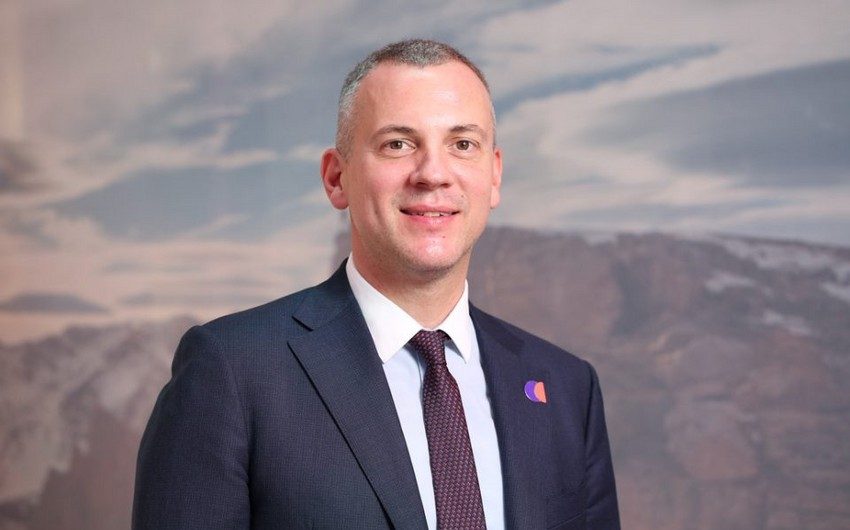
Florian Sengstschmid has been making the case for Azerbaijan since 2018, when he took the helm of the country's tourism board. Sitting down with Travel Tomorrow in Brussels, he didn't mince words about where his focus lies. "Europe always has been a priority," he said. That's not diplomatic boilerplate. It's a strategy.
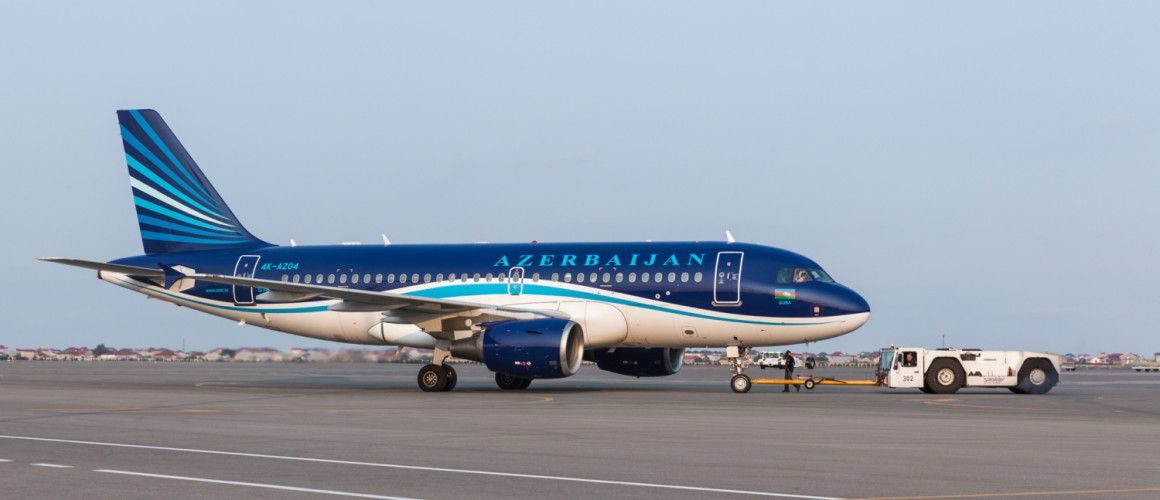
The timing matters. Azerbaijan Airlines plans to launch four weekly flights between Baku and Brussels starting 8 May 2027, operating Mondays, Wednesdays, Thursdays and Saturdays. For Sengstschmid, the Belgian capital is just the latest addition to a growing web of European connections. "Brussels is another chapter," he said, pointing to existing routes that already link Baku to cities across the continent.
Flights Are Easy. Recognition Is Hard.
Getting a plane in the air is one thing. Getting a European traveler to book a ticket is another. Sengstschmid is candid about the gap. Selling Azerbaijan, he argues, means explaining "what is Azerbaijan, what is the reality, what is people, what is the culture." That takes time, especially when travelers already have a shortlist of familiar European cities competing for their attention.
He calls connectivity and accessibility the real bottlenecks. Expanding air service isn't just about airline schedules. Bilateral agreements, regulatory frameworks, and the interplay between passenger and cargo traffic rights all shape what routes actually materialize. From the tourism board's perspective, easier access is the foundation. A country can have everything a visitor wants, but if getting there feels complicated, interest rarely turns into a booking.
European Stories Hidden in Plain Sight
Here's where Sengstschmid pushes back on a common assumption. Azerbaijan, he says, shouldn't be understood only as a country wedged between larger neighbors. Its history is woven with European threads that visitors can actually see. European architects left their mark on Baku. The Nobel and Siemens families were active here. German settlers influenced the wine industry. Travel across the country, and you'll find European stories "in crafts," "in culture," "in religion," and "a lot in architecture."
Those connections give European visitors familiar reference points while still delivering something distinct. Sengstschmid also highlights religious diversity as part of the appeal, with Muslim, Christian and Jewish heritage all part of the tourism story. For travelers who want a destination that feels both surprising and legible, that mix matters.
From Race Weekends to Recovery Retreats
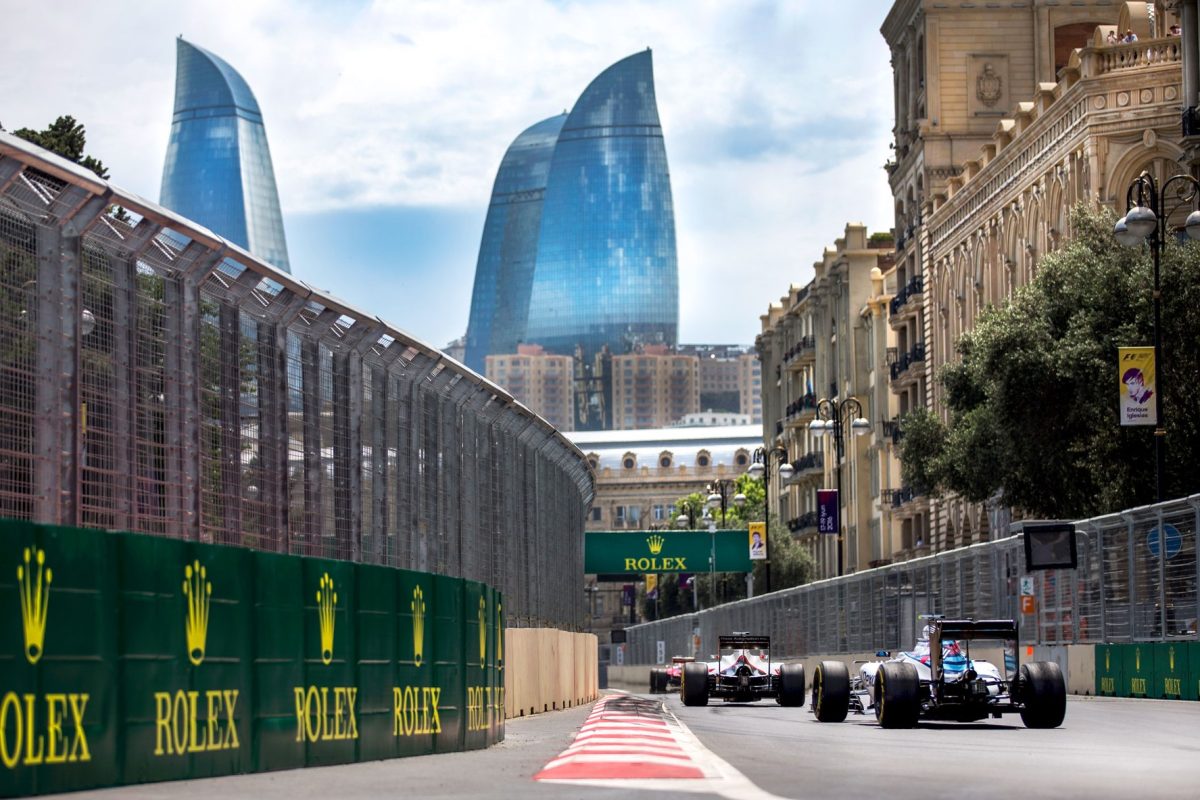
Azerbaijan isn't relying on heritage alone. Major events have become a tool for shifting perceptions. Baku's decade of Formula 1 racing brought international audiences to the city, and a temporary visa-on-arrival arrangement for race ticket holders and accredited personnel ran until 30 September 2026. The goal wasn't just filling grandstands. It was showing the world what Baku looks like when people are enjoying it.
Health tourism is the next frontier. It's now part of Azerbaijan's State Programme on the Development of Tourism for 2026–2030, with plans for a dedicated strategy, international accreditation for medical facilities, and an annual Health Tourism Conference. The tourism board has also joined the European Spas Association as an advisory member, a move that strengthens ties with European specialists in the sector. It's a smart play. Europe's spa and wellness market is mature, and Azerbaijan is positioning itself as a complement rather than a competitor. For context on how that sector is evolving, see Europe's Spas Want to Be Your Prescription for a Longer Life.
The South Caucasus Could Be One Trip, Not Three
Looking further out, Sengstschmid sees potential for multi-country itineraries across the South Caucasus, especially for travelers arriving from Asia or the Americas. He compares it to the classic Vienna–Prague–Budapest route, which lets visitors experience several Central European capitals in a single journey. A similar circuit could work here, provided border issues are resolved and regional travel becomes easier.
That's a big if. But the ambition is clear. Azerbaijan wants to combine better access with a deeper understanding of what it offers. The Brussels route adds another entry point. Culture, heritage, events and health tourism give travelers reasons to stay longer and look beyond the capital. For a region still finding its footing with European audiences, that's a coherent pitch. Whether it lands depends on how quickly the practical barriers come down. The broader tourism picture is shifting fast, as Global Tourism Is Booming Again, but the Real Test Has Just Begun makes clear. Azerbaijan is betting it can carve out its own space before the window closes.