You know the ritual. You book a flight, get stuck in 23B, and then spend the next three weeks opening the airline app every few hours, hoping a window seat magically frees up. It rarely does. And when it does, someone else has already grabbed it.
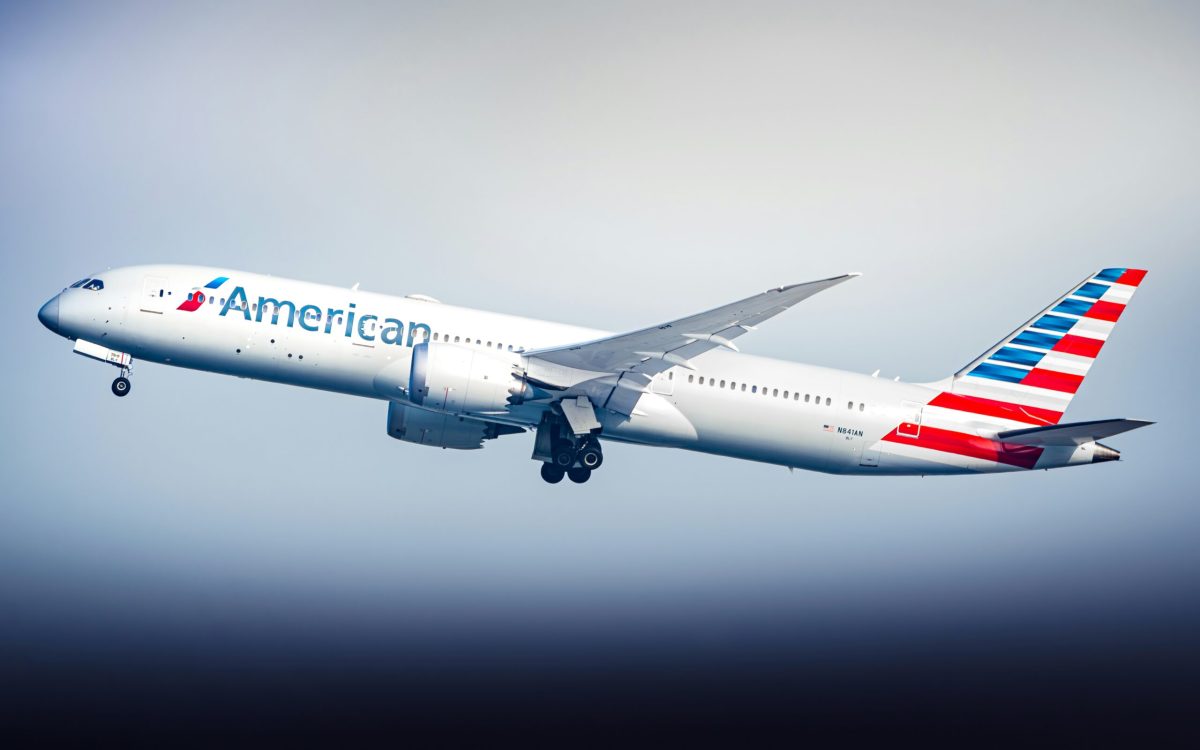
American Airlines wants to kill that habit. The carrier has rolled out a new feature inside its app that watches seat availability for you after you book, and when a spot matching your preference opens up, it moves you there automatically. No refreshing. No frantic tapping. Just a notification telling you the middle seat era is over. The airline announced the tool as part of its push to make the app a genuine trip-management companion rather than a digital wallet for boarding passes.
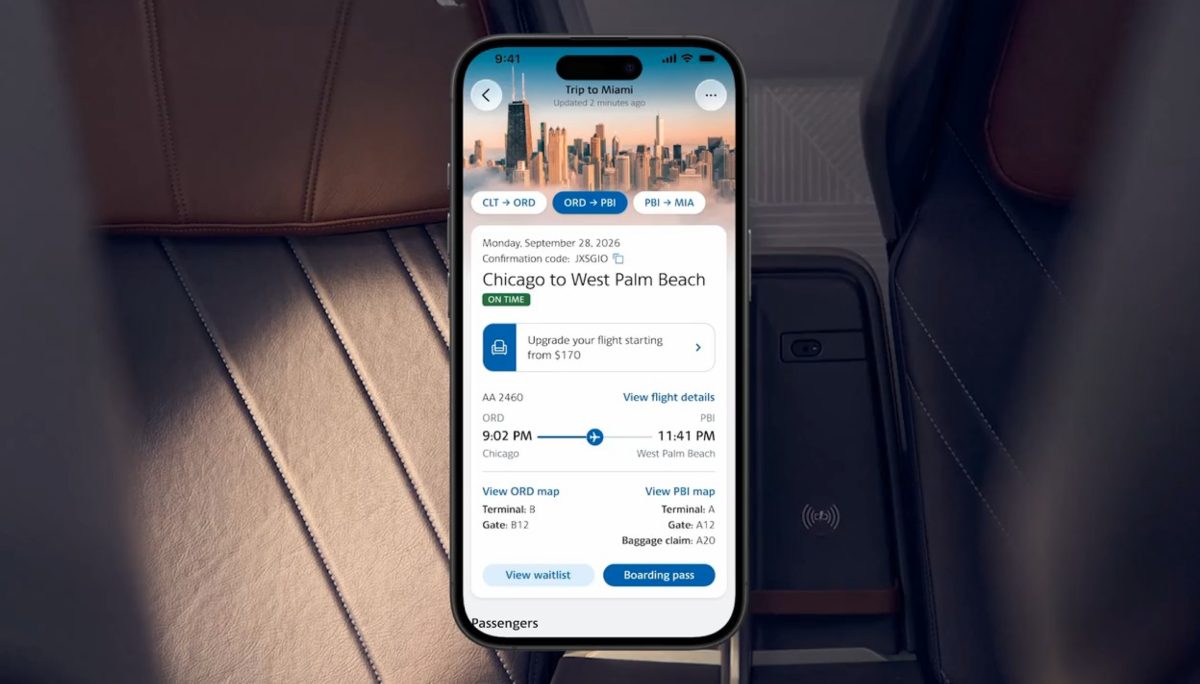
Who gets the upgrade treatment
The feature is not for everyone, and American is upfront about that. You need to be an AAdvantage member. You need to be traveling alone on your reservation. And you need to already have a seat assigned. If you meet those conditions, you can log your preference (window, aisle, whatever keeps you sane) after booking, and the app takes it from there.
The system runs until 24 hours before departure. It stays inside your booked cabin, so no sneaky upgrades to business class. It will not move you into a seat that carries an extra fee, even if that seat matches exactly what you asked for. And it never charges you for the switch. That last part matters. Airlines have turned seat selection into a serious revenue stream, and a tool that quietly shuffles you into a better free seat could have cannibalized those sales. American avoided that by ringfencing the paid inventory.
Why this is a bigger deal than it sounds
Heather Garboden, American's chief customer officer, framed the launch as a way to hand control back to travelers and cut down on hassle. She is right, but the real win is psychological. There is a specific kind of low-grade anxiety that comes with a bad seat assignment. You check the app at breakfast. You check it at lunch. You check it in bed. The seat monitor removes that loop entirely. You just wait for the ping.
It also smooths out the chaos of the final days before a flight, when seats churn back into inventory as other passengers change plans or cancel. Instead of you racing to catch those openings, the app is already watching. That said, this is not a guarantee. If nothing suitable opens up, you stay where you are. The tool improves your odds. It does not rewrite the laws of a full flight.
The quiet automation trend in airline apps
American's move fits a broader shift across the industry. Apps are becoming less about transactions and more about anticipation. Airlines are betting that customers want fewer decisions, not more features. Automation, personalization, and AI-assisted service are topping aviation customer-experience agendas for 2026, and the emphasis is shifting from flashy tech demos to tools that actually work in live operations. A seat monitor is not glamorous. It is just useful. And in a market where digital promises often outrun delivery, that restraint might be the smartest play.
There is a competitive angle too. Loyalty programs are fighting for direct bookings, and every reason to open the airline's own app instead of a third-party site is a win. American gets another hook for AAdvantage sign-ups and direct reservations. Travelers get a small but real comfort upgrade without paying a cent more. It is a tidy trade.
The feature came out of ADEPT, American's two-year program for early-career tech talent. The team used AI-enabled tools during design and development, but the customer-facing result is refreshingly simple. Monitor, match, notify. No chatbot. No convoluted interface. Just a better seat waiting for you when you board. For solo travelers who have spent years playing the seat map lottery, that is plenty. If you are planning a long-haul trip and want to arrive without the stiffness that comes from a bad seat, our guide to in-seat Pilates moves pairs nicely with this news. And if you are weighing which airline deserves your loyalty, it is worth asking why Singapore Airlines keeps winning while America fades. American just gave itself one more answer.