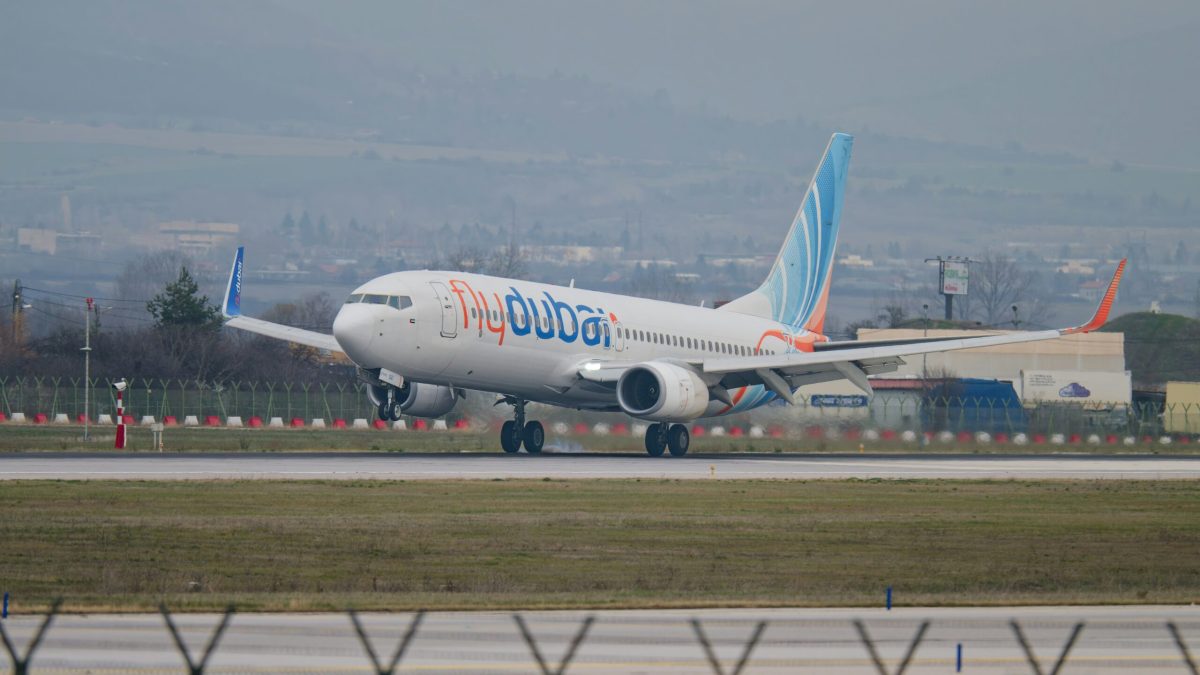
On 30 September, flydubai flight FZ1073 from Dubai to Israel became the scene of a terrifying mid-air emergency. A pilot was stabbed, and the aircraft plunged roughly 4,000 metres in under two minutes. More than 150 people were on board, most of them Israeli citizens, according to Prime Minister Benjamin Netanyahu.
What happened next has been described as nothing short of heroic. Passengers and crew, realizing the plane was in a tailspin, stormed the cockpit. Inside, they found the co-pilot allegedly trying to sabotage the aircraft's systems while the wounded captain lay bleeding on the floor. The captain had managed to release the cockpit door, allowing them entry. Together, they restrained the assailant and stabilized the situation.
Netanyahu later praised their actions, saying, "They saved many lives. They prevented a heavy disaster." The incident, which Israeli Defence Minister Israel Katz called an "attempted jihadist terror attack," is now under official investigation. The alleged attacker, an Omani national, was arrested after the plane made an emergency landing in Tabuk, Saudi Arabia.
Flightradar24 data shows the aircraft lost altitude at a frightening rate. Fortunately, a backup team of pilots was on board. They issued an emergency call and diverted from the usual path over Saudi Arabia and Jordan to land safely in Tabuk. There, medical workers examined passengers and crew. The injured captain and first officer were hospitalized. No other injuries were reported.
The drama did not end with the landing. Saudi authorities refused to allow an Israeli military or civilian plane to repatriate the passengers, highlighting ongoing foreign policy tensions. Instead, flydubai arranged for most passengers to continue to Tel Aviv's Ben Gurion Airport on another of its flights. A spokesperson for the carrier said, "Our immediate priority is to ensure the ongoing safety, health, and wellbeing of all passengers and crew members involved in this incident and support the official investigation."
This event underscores the unpredictable nature of air travel, even on routes between countries with normalized ties. Israel and the UAE have cooperated on security and economic issues since a 2020 diplomatic thaw, with Israel supplying Iron Dome defense systems to the Emirates earlier this year. Yet the skies over the Gulf remain fraught with tension, as this incident painfully illustrates.
For travelers, stories like this are a reminder of the professionalism and courage of flight crews, and of the unexpected turns a journey can take. While such events are rare, they highlight the importance of remaining calm and following crew instructions in an emergency. The quick thinking of those on board FZ1073 turned a potential catastrophe into a story of survival.
As investigations continue, the passengers of flight FZ1073 have been brought home, their ordeal over. But the questions linger about how a routine flight turned so dangerous, and what it means for security in the region's airspace. For now, the focus remains on the heroes who stepped up when it mattered most.