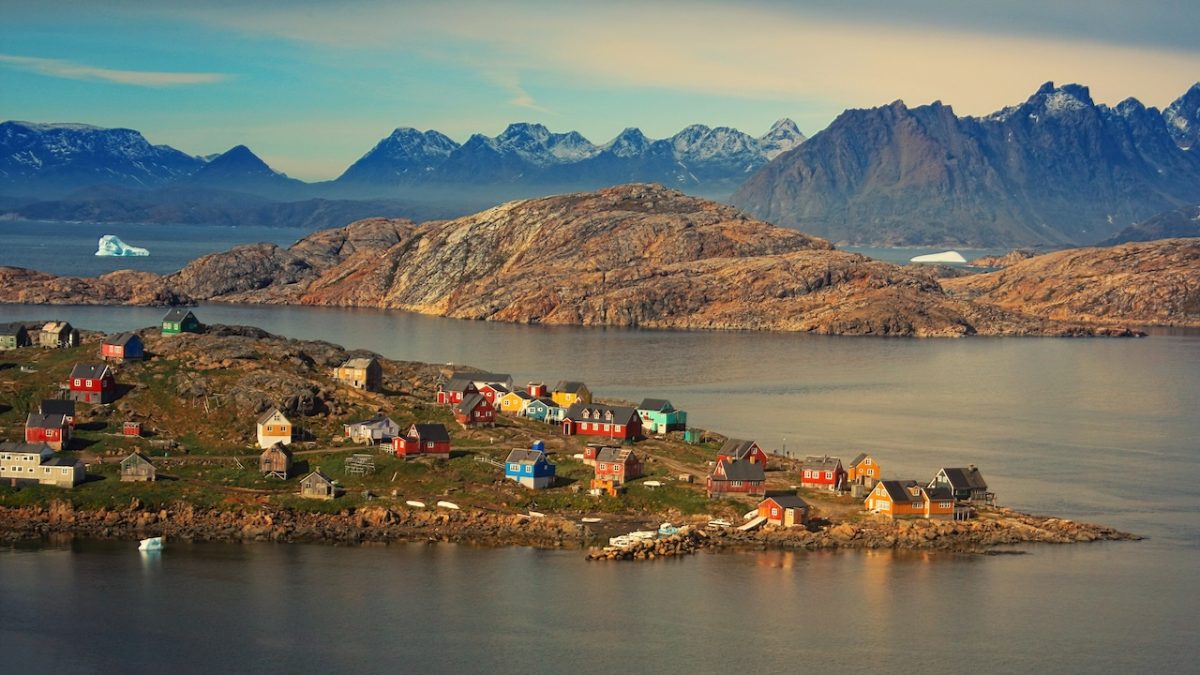
Greenland's pristine Arctic fjords have become a bucket-list destination for cruise travelers, but the rapid influx of massive ships is creating a serious problem. The government has decided it's time to pump the brakes. New guidance is pushing cruise operators to dial back their activity in vulnerable coastal areas, and formal restrictions are coming soon.
The surge in cruise tourism is real. While cruise passenger numbers actually dipped slightly between 2024 and 2025 (down 1.4%), overall tourism jumped eight percent, reaching 180,000 visitors. Credit better flight connections to Nuuk and Greenland's profile boost from international media attention. The result: popular towns like Qaqortoq and Nanortalik are now hosting more than 20 cruise calls in a matter of weeks, with major ships from AIDA, Viking, Celebrity, Seabourn, Holland America, and others dropping anchor regularly.
Here's where it gets complicated. Those massive vessels aren't just visual intrusions. The noise from ship engines and propellers underwater scrambles communication between marine mammals, disrupts feeding and mating patterns, and confuses migration routes. Waste discharges damage coastal habitats. Black carbon emissions settle into snow and accelerate melting. Ships have even struck whales and walruses, injuring or killing them. Research on cruise ship pollution continues to reveal troubling health and environmental impacts, making these concerns all the more urgent.
Local communities, who filed complaints with municipal and national authorities, aren't thrilled either. They want to keep the recreational and cultural value of their fjords intact, and many depend on traditional fishing and hunting that's being disrupted by the traffic.
A Two-Part Strategy to Protect the Arctic
Greenland's government isn't banning cruise tourism altogether. They recognize the economic benefits and know that some expeditions contribute legitimate research value. But they're being strategic. First comes the carrot: voluntary guidance asking cruise companies to coordinate their activities and respect local conditions. Companies operating responsibly right now have a chance to set the tone.
Second comes the stick. Formal restrictions are already under negotiation with local communities, businesses, and stakeholders. These rules will likely take shape as zoning regulations under Greenland's Tourism Act, essentially creating boundaries about where ships can operate, when, and how many visits a particular fjord can absorb. Think of it as Greenland's version of what Dubrovnik managed to accomplish with its own cruise ship limits, though tailored to Arctic conditions.
The timing matters. Greenland's natural assets are extraordinary and fragile. The fjords are home to Arctic foxes, narwhals, seals, walruses, whales, and rare seabirds alongside human communities that have lived here for centuries. Once these ecosystems are damaged, recovery is slow, if it happens at all.
What This Means for Travelers
If you're dreaming of a Greenland cruise, don't panic. Tourism will continue. But expect changes over the next few seasons as formal limits roll out. You might see fewer mega-ships in certain fjords, stricter scheduling windows, or caps on daily visitor numbers. Some travelers may end up rerouted to less-crowded areas, which honestly could mean better, more authentic experiences.
The bigger picture is that Greenland is taking steps other destinations should consider. Cruise tourism can be wonderful, but fees and regulations are rising worldwide as destinations grapple with overtourism. Greenland is getting ahead of the curve instead of waiting for irreversible damage.
For now, the government is asking cruise operators to play nice. Companies that respect the spirit of these recommendations will shape what formal rules look like. Those that don't will face legislation that might be far more restrictive. It's a reminder that the best travel destinations are the ones that protect what makes them special in the first place.