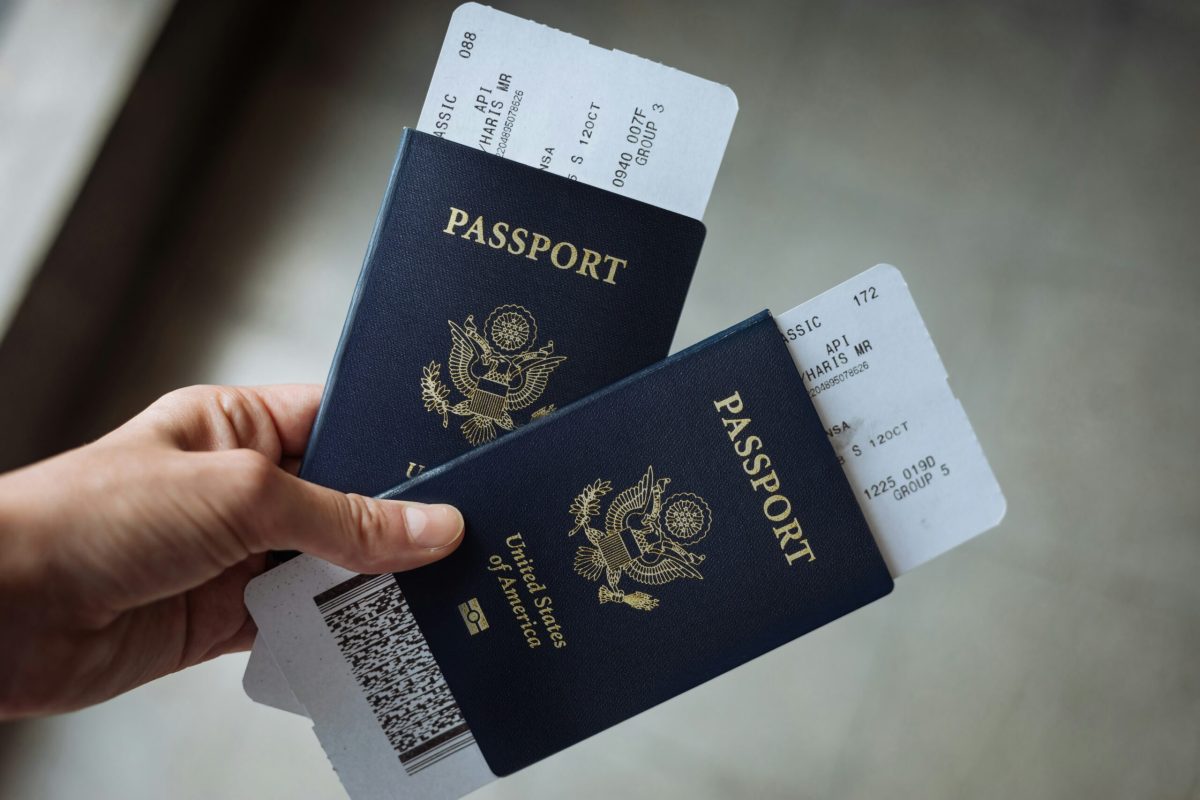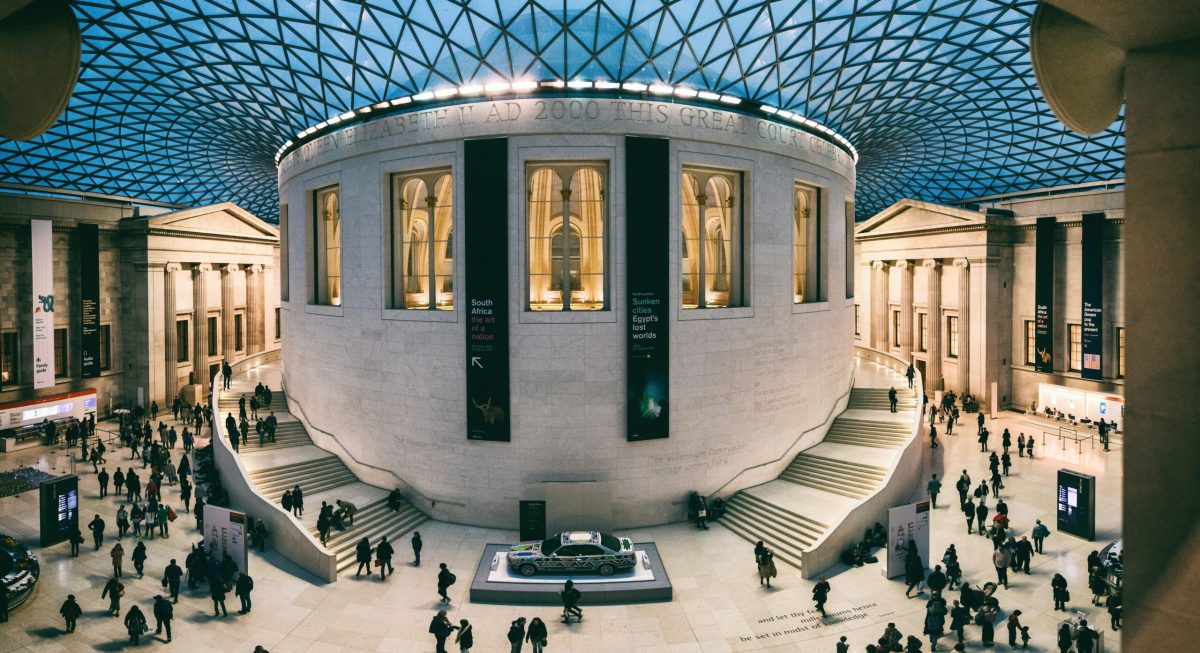
Good news for culture lovers and budget travelers alike. England's national museums, including the British Museum, Tate, and the Natural History Museum, will remain free for everyone, no matter where you hold a passport. The UK government has officially ruled out a proposal that would have charged international visitors while keeping free entry for UK residents.
The idea first surfaced earlier this year during a broader conversation about museum funding. Officials floated the possibility of a two-tier system, one that would have required tourists to pay while locals walked in for nothing. That plan raised thorny questions. How would museums tell a visitor from abroad apart from a local? And should someone have to pay to see artifacts that originally came from their own country? Those concerns, along with a wave of public pushback, helped sink the proposal.
Speaking at Tate Liverpool on 28 September 2026, Culture Secretary Lisa Nandy put the debate to rest. "That's why they must be free, forever, for everyone to access," she said. The Campaign for the Arts celebrated the news on social media, quoting Nandy's pledge to defend free access for all. The government's official confirmation followed a day later.
Free entry to national museums has been a cornerstone of British cultural life since 2001. This year marks its 25th anniversary, and the numbers show why it matters. The Natural History Museum welcomed 7.1 million visitors in 2025, while the British Museum drew 6.4 million. Together, national museums pump more than £1 billion (about €1.17 billion) into the economy each year. Those figures are impressive, though they don't reveal how many visitors might have stayed away if a fee had been introduced.
The government also worried that charging overseas visitors could discourage UK residents from visiting. The costs and benefits would vary from museum to museum, making the change more practical for some institutions than others. In the end, the complexity and potential downsides outweighed any financial gain.
But free general admission doesn't mean every exhibit is free. Permanent collections are covered, but special exhibitions and events often require a separate ticket. At the British Museum, for example, you can wander the permanent galleries without paying, but temporary shows come with a price tag. Museums may also suggest a donation, though it's always optional. If you're planning to see a specific exhibition, check the ticket details before you go.
Funding remains a work in progress. The government has earmarked £760 million (about €886 million) from its Arts Everywhere Fund for museums, plus £600 million (about €699 million) for infrastructure projects at national museums and other cultural organizations. Another £160 million (about €187 million) will go to local and regional museums. A longer-term plan is in the works, with more details expected soon.
This decision sets England apart from some of its European neighbors. The Louvre in Paris now charges €32 for visitors who aren't citizens or residents of the European Economic Area, while its standard adult ticket runs €22. For travelers comparing museum costs across the continent, the contrast is stark. In England, the national collections remain open to all, free of charge, regardless of where you call home.
So pack your curiosity and leave your wallet at home, at least for the permanent galleries. Whether you're marveling at the Rosetta Stone, getting lost in the Tate's modern wings, or staring up at a blue whale skeleton, England's cultural treasures are yours to explore. And if you're planning a broader trip, check out Herefordshire, England's quiet rebel with a rich soul, or consider how England's new tourist tax could affect your stay. For more on the museum announcement, see the government's official statement.