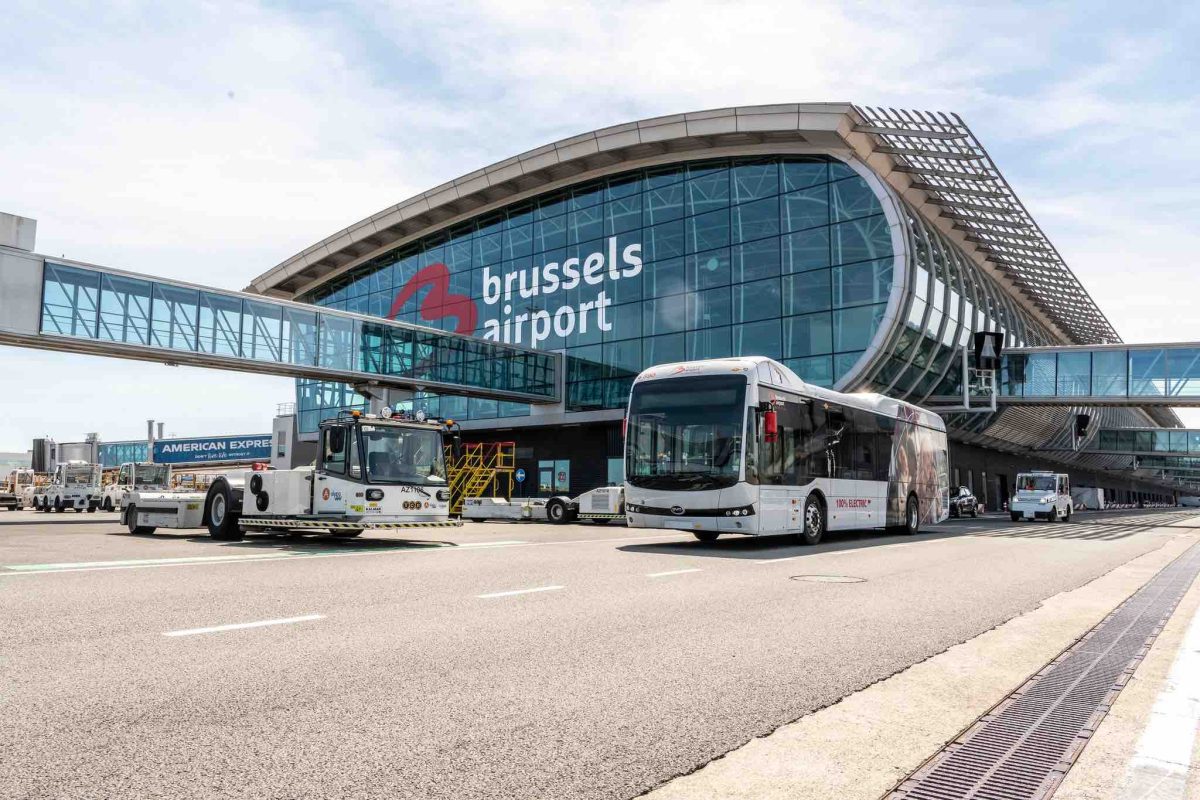
Brussels Airport just made a power move. The airport operator has acquired the Novotel Brussels Airport building and land, signaling something bigger than a simple real estate transaction. This is part of a deliberate strategy to transform the entire airport precinct into an integrated transport, business, and hospitality destination.
The Novotel sits in a prime location, less than two kilometers from the terminal and right next to Zaventem railway station. Guests can choose from 209 soundproofed rooms, meeting spaces, a restaurant, fitness facilities, and "Park, Sleep & Fly" packages. A free shuttle gets you to the terminal in about five minutes, which already beats navigating Brussels traffic. Essendi will continue operating the property under the Accor-managed Novotel brand, so expect the same standards travelers know.
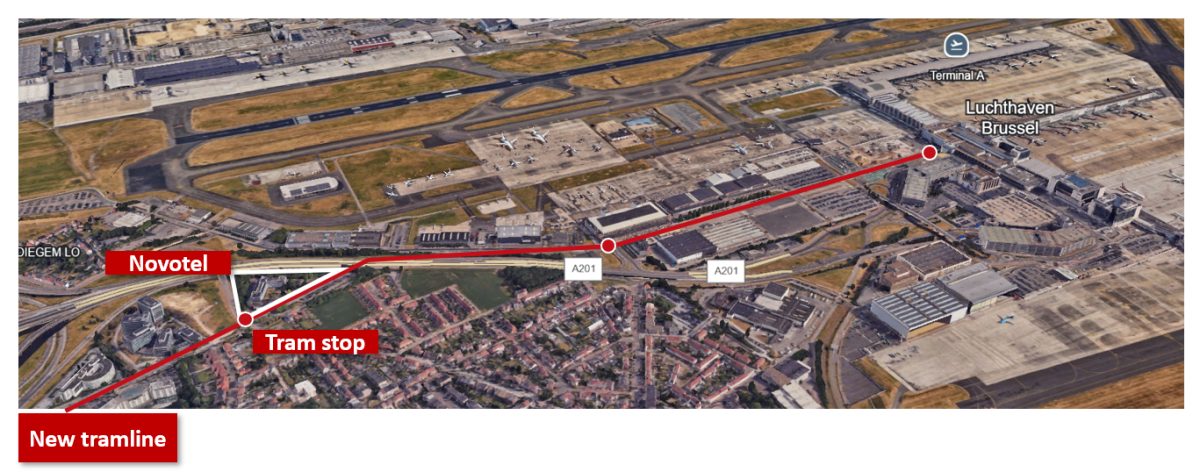
But here's where things get interesting. The real transformation happens in the coming years. Brussels Airport is planning a dedicated tram line that will place the Novotel just two stops from the terminal, cutting travel time down further. Even better, starting December 2027, overnight rail services run by NMBS/SNCB will connect Bruges, Ghent, and Brussels directly to the airport before dawn. Imagine skipping the hassle of early-morning traffic entirely.
These moves reflect genuine passenger demand. During July and August alone, Brussels Airport expects 5.2 million travelers, a 4% jump from last year. To handle the rush, the airport has already expanded self-service baggage facilities, hired extra staff during peak times, and is rolling out new security screening technology soon. The Novotel acquisition fits squarely into this growth puzzle.
The airport operator already owns the Sheraton Brussels Airport Hotel, which sits directly opposite the terminal. Now with the Novotel acquisition and plans to develop yet another hotel adjacent to the terminal by 2032, Brussels Airport is building a hospitality footprint that rivals major European hubs. These aren't scattered properties,they're part of a coordinated plan.
What makes this strategy compelling is the focus on sustainable transport. Environmental concerns shape airport operations across Europe, and Brussels is leaning into rail and tram infrastructure to reduce car dependency. Whether you're catching an early flight or arriving late at night, the airport is working to make alternatives to taxis and rental cars actually viable.
The broader picture reveals an airport thinking like a city planner, not just a terminal operator. Between the night trains launching in 2027, the tram improvements underway, new hotel developments, and improved baggage handling, Brussels Airport is betting that better infrastructure and services drive passenger growth. For travelers, this means fewer delays, shorter connections, and more options for reaching the airport without the usual airport aggravation.
Whether you're heading to explore Brussels itself or just connecting through, the airport precinct is becoming harder to ignore. The days of Brussels being merely a transit point are ending. In a few years, passengers might actually choose to arrive early just to experience what's being built there.