Europe's postcard-perfect summer is turning treacherous. A massive heat dome has settled over the continent, bringing temperatures so extreme that authorities across France, Spain, Italy, Germany, Switzerland, and Luxembourg have issued red alerts for severe risk to life. This isn't a minor weather inconvenience. At least 18 people have died in France alone, including two children found in their family car in Carpentras.
The numbers are staggering. Spain is bracing for temperatures around 44°C, while Portugal and Spain could hit 45°C. Even northern regions normally spared from summer heat are being hammered. San Sebastian in Spain's cool Basque country is seeing temperatures nearly double the seasonal average. The culprit? Hot air surging up from the Sahara, pushing readings 5 to 10 degrees above normal across the entire region.
What This Means for Your Itinerary
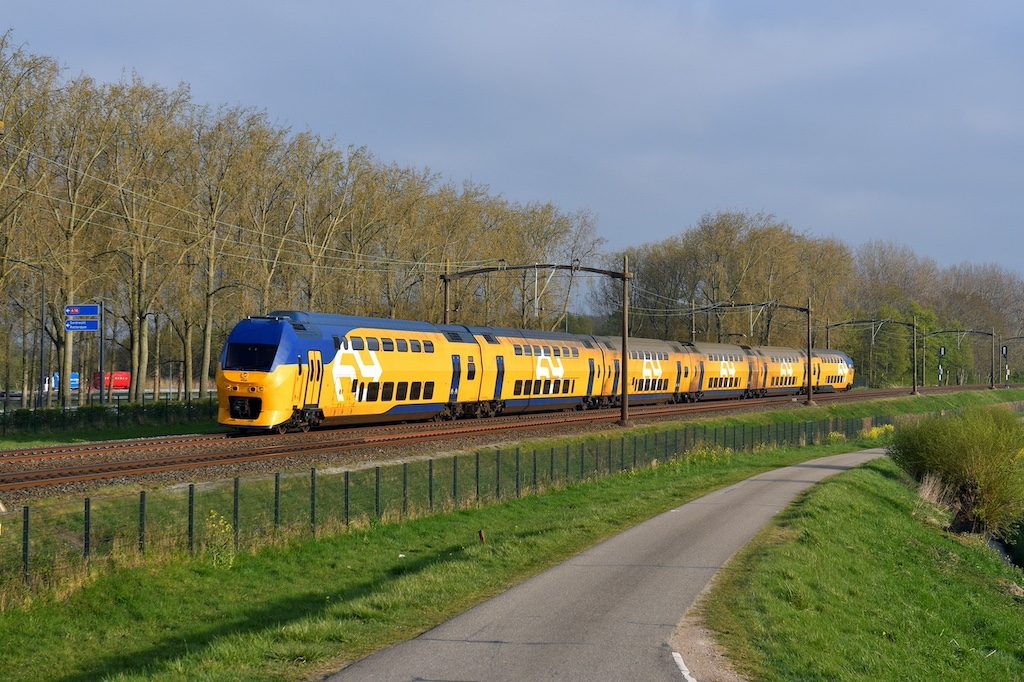
More than half of France, the world's most visited country, is operating under severe heat conditions. Trains are running skeleton schedules. Hundreds of schools have shut down early. France banned drinking at the Fête de la Musique this weekend and cancelled numerous events as the heat dome refuses to budge. The country's meteorological service warns there's no immediate relief in sight.
Italy's major cities are on high alert. Florence, Rome, Venice, and Milan (currently hosting Fashion Week) have all triggered emergency warnings. If you're heading to any of these iconic destinations, expect disrupted services, exhausted crowds seeking refuge indoors, and dangerous street conditions during peak hours. Temperatures are climbing dangerously across the continent, with June 22 seeing projections of 40°C across swaths of France.
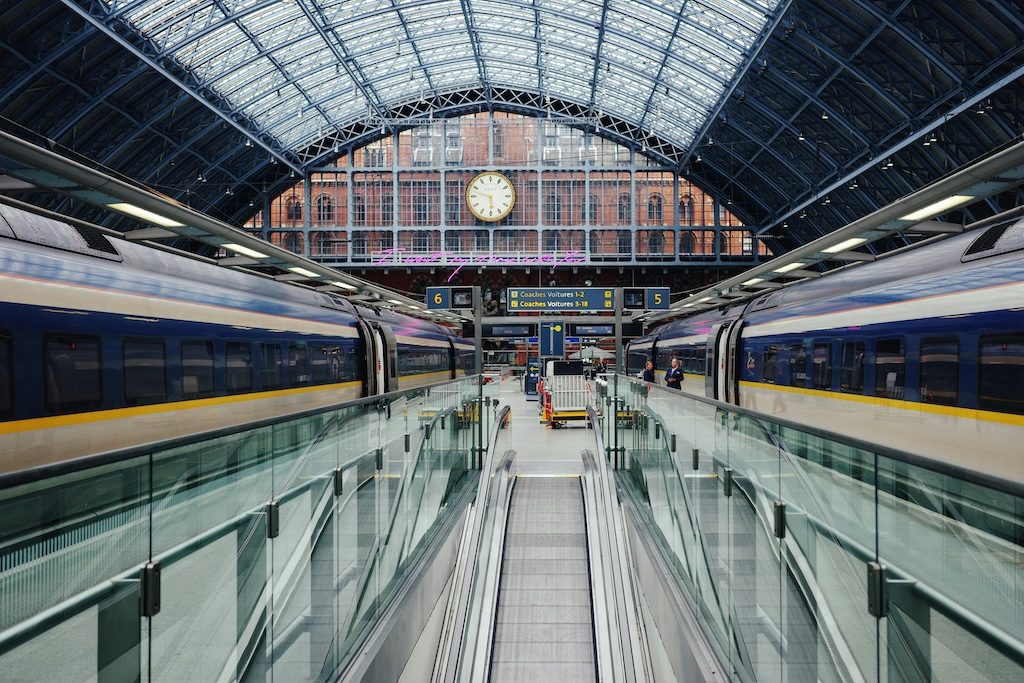
The United Kingdom, Belgium, and other historically cooler nations are also suffering. The UK's Met Office issued a rare red warning, forecasting 38°C on consecutive days. In Belgium, train operators cancelled rush hour services to prevent rail buckling and power line damage. Steel expands in extreme heat, warping infrastructure built for temperate climates.
The Hidden Dangers Travelers Often Miss
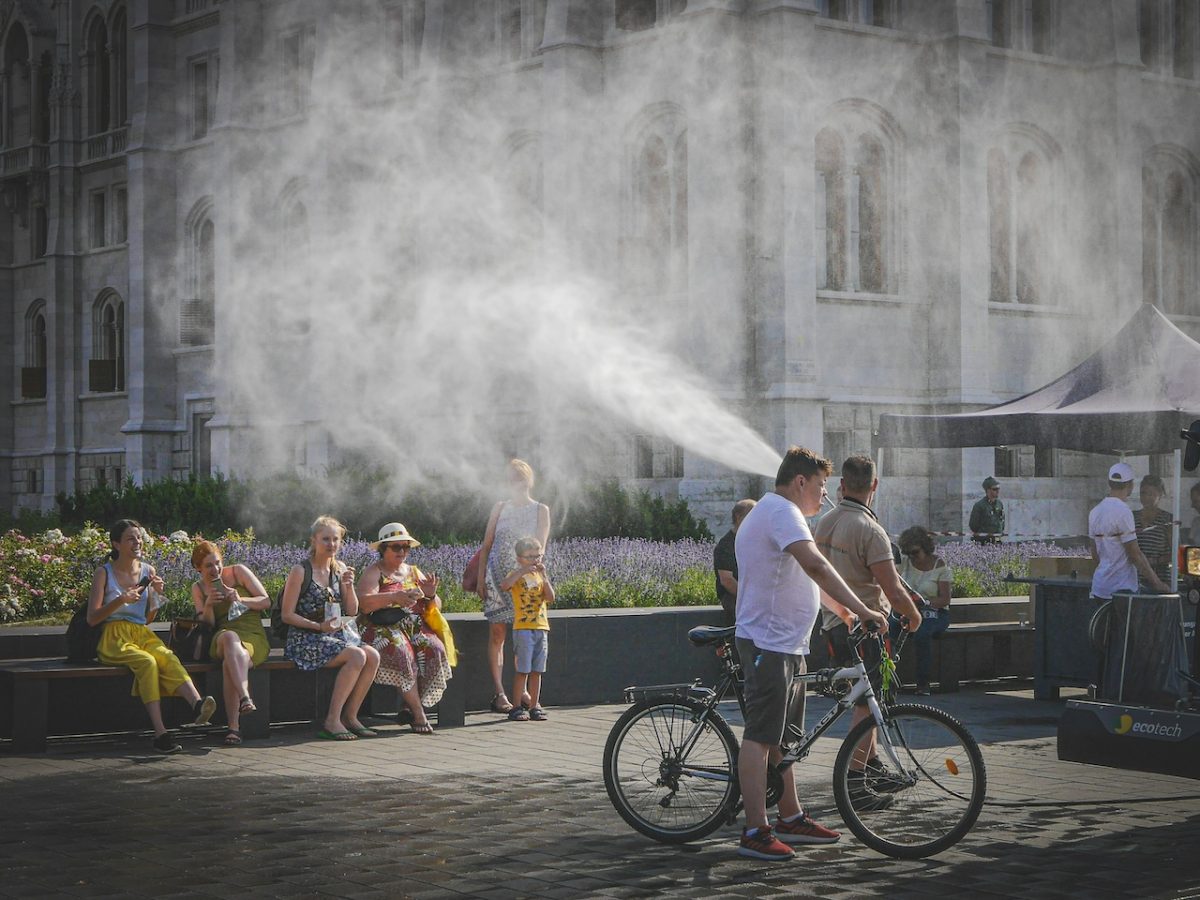
The immediate health risks are obvious: dehydration, heat exhaustion, and sunburn. Less obvious is the cascade of secondary problems. Closed schools are forcing parents to scramble for childcare, stranding families. Coastal areas and rivers become crowded with people seeking relief, turning swimming spots into genuine hazards for inexperienced swimmers and young children. While Europe's swimming spots have improved safety standards, heat waves drive unpredictable behavior and crowd surges.
Wildfire risk is surging, particularly in southern regions. Greece is already battling a blaze that has brought motorway traffic to a standstill. Construction sites are closing as a precaution. Electrical grids are straining under cooling demand. This is infrastructure stress at scale.
How to Travel Safely Right Now
If you're already in Europe or planning to go, follow these essentials: stay relentlessly hydrated, wear high-SPF sunscreen, and minimize outdoor activity between 11am and 4pm. Avoid intense physical exertion. Check train and flight schedules before heading to stations, as delays and cancellations are widespread. Download offline maps in case services get overwhelmed. Carry electrolyte supplements, not just water.
Book accommodations with confirmed air conditioning and backup power. Museums and indoor cultural sites become refuge, so adjust your sightseeing to early mornings and evenings. If you're visiting thermal springs or mountain towns, research water availability and infrastructure capacity beforehand. The heat is expected to persist for at least a week, possibly longer.
This moment also underscores a deeper conversation. Europe's tourism industry is grappling with climate resilience, and heat waves like this reveal how fragile our travel infrastructure can be. Belgium's "Tales of Future Weather" project has been modeling extreme scenarios for months, and their climate predictions have proven disturbingly accurate, forecasting prolonged temperatures above 40°C with cascading impacts on power networks and public health.
The broader takeaway for travelers: summer in Europe is changing. These conditions demand flexibility, respect for local warnings, and a willingness to adjust plans. Stay informed through local weather services, check your embassy's travel advisories, and consider shifting trips to shoulder seasons. Europe will always be worth visiting, but right now, it's asking travelers to be smarter and more cautious than ever.