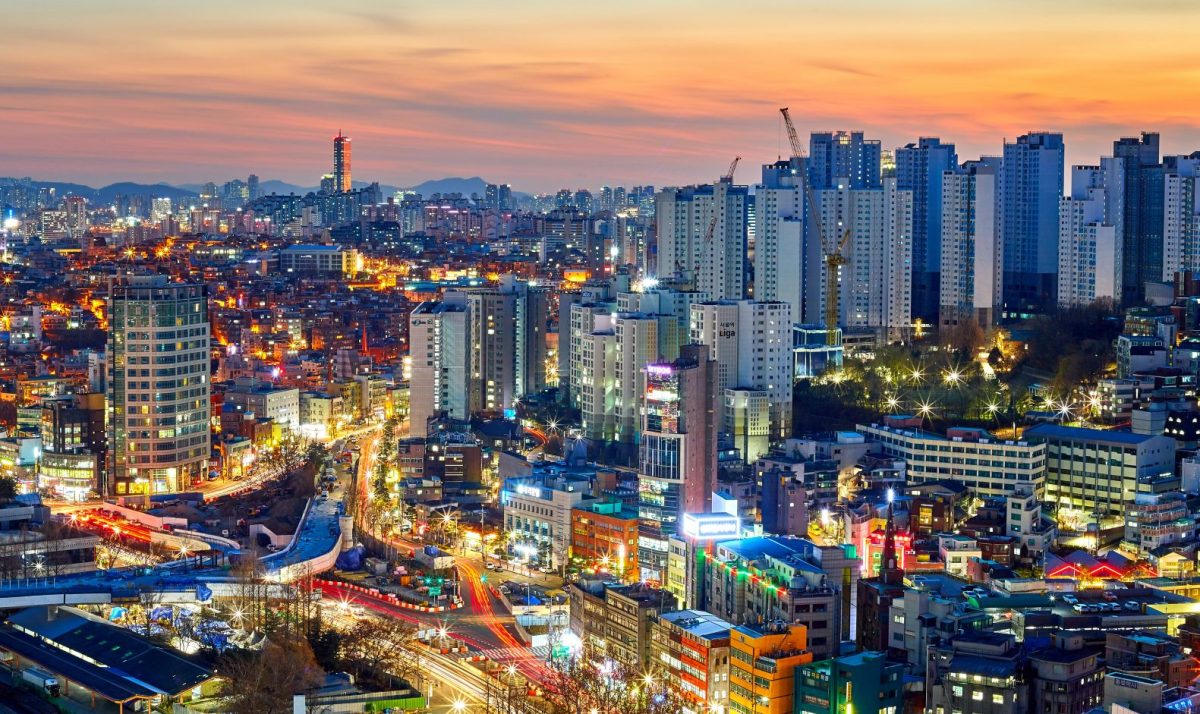
Picture this: You're flying to Busan for a BTS concert. You check hotel prices and nearly fall over. A room that normally costs $100 is suddenly $300. Welcome to the reality that pushed South Korea to completely rethink how it rates and regulates its hotels.
Starting July 2026, South Korea is rolling out a tougher hotel rating framework designed to protect travelers from exactly this kind of price shock. The move represents one of the most aggressive stances any country has taken against accommodation gouging during peak travel periods.
How the New System Actually Works
The process itself is straightforward. Hotels face an initial inspection where evaluators check their amenities and operational standards against what the owners claim. Then comes the secret weapon: an undercover guest review that confirms the final star rating. It's not new in concept, but the teeth behind it are.
Different criteria apply depending on whether you're looking at budget properties (one to three stars) or luxury establishments (four and five stars). Safety and hygiene matter. Fire prevention matters. Management practices, data protection, and sustainability all factor in. But here's the game-changer: pricing behavior.
The Price Gouging Penalty That Actually Stings
Under the old system, hotels caught charging unfair prices lost 10 points. Under the new one, that penalty jumps to 30 points. Since only 100 points separate a four-star from a five-star rating, this single violation can cost a property an entire star. For mid-range and luxury hotels, that's a catastrophic hit to their brand and booking volume.
The context matters here. During major events like K-pop concerts, South Korean hotels have historically increased prices by 200 to 300 percent. Guests arriving for a concert or festival would find rooms that were affordable last month suddenly priced like beachfront resorts. The new system makes that practice financially dangerous for hoteliers.
Who Gets Hit Hardest
Medical tourism providers face their own set of tighter rules. South Korea attracts over two million foreign patients annually seeking dermatology, plastic surgery, and wellness treatments. These facilities now must prove they offer proper medical linkage services and guest conveniences. It's a push to legitimize what's become an exploding health-tourism marketplace.
Casino resorts, by contrast, will likely sail through largely unaffected. They cater exclusively to foreign guests, generate significant export revenue, and are already classified as high-end establishments with less room for price-gouging shenanigans.
What This Means for Your Next Trip
For travelers, the implications are genuinely positive. Hotel star ratings will become more reliable indicators of what you'll actually experience. A four-star property will have consistent safety standards, proper data protection, and less likelihood of surprise fees. You'll have clearer expectations before you even book.
The system also gives hoteliers a path forward. If they disagree with their rating, they can request re-evaluation for a potentially higher star classification (though properties won't jump from budget to luxury categories). This encourages improvement rather than just punishment.
Kang Dong-jin, the Director General of Tourism Policy at South Korea's Ministry of Culture, Sports and Tourism, framed the overhaul as balancing two needs: reducing red tape for the industry while strengthening public confidence. Whether it actually curbs price gouging during peak events remains to be seen, but South Korea is clearly betting that stricter penalties will discourage the practice before it happens.
The real test comes during the next big concert tour or sporting event. If hotels start moderating their price increases to protect their star ratings, travelers win. And that's exactly the point.