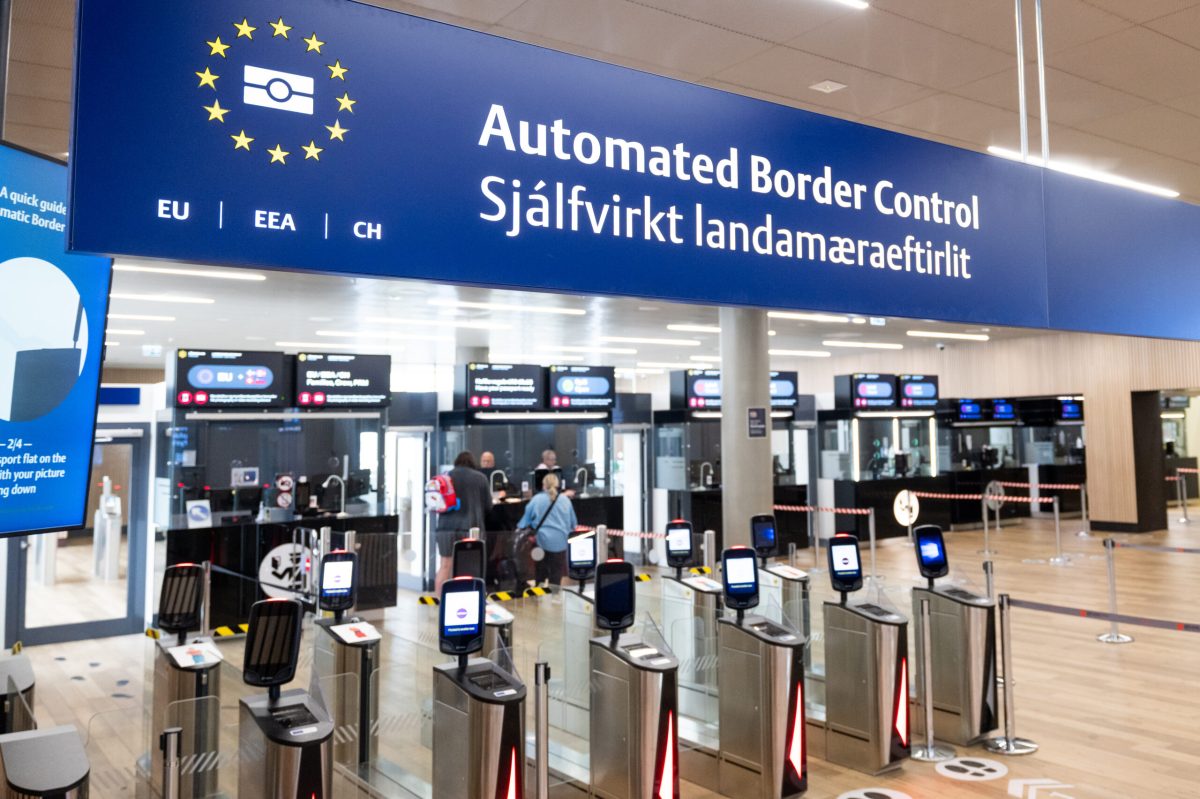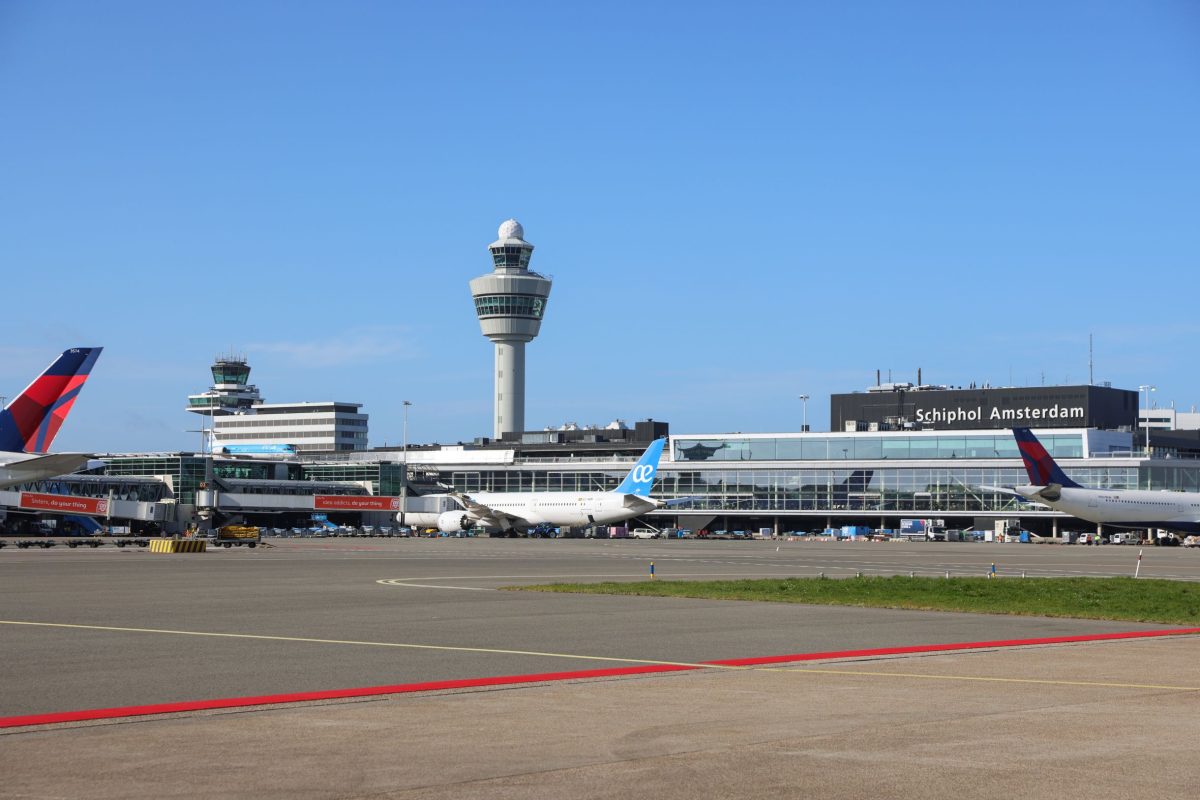
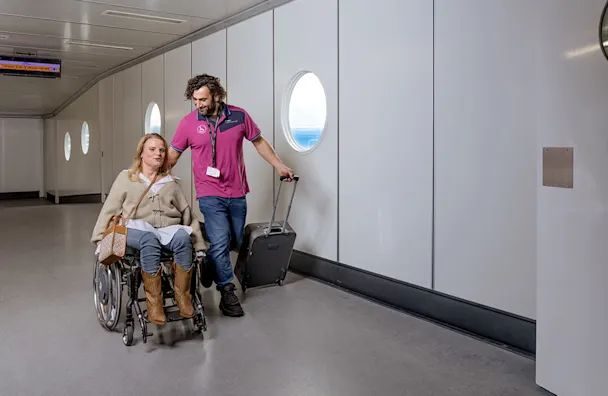
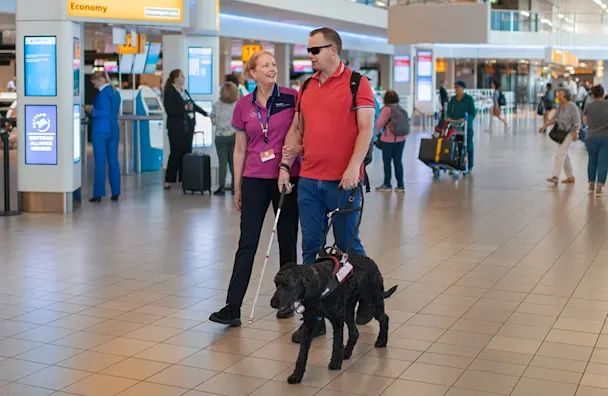
Amsterdam Airport Schiphol handles roughly 750,000 passengers with reduced mobility every year. That's a lot of people relying on wheelchairs, walkers, and assistance from trained staff to navigate one of Europe's busiest hubs. Right now, that work falls to about 1,000 employees from Axxicom Airport Caddy, a contractor who has managed the service since 2003. By early 2028, that changes completely.
The airport is bringing the entire operation in-house, taking direct control of what its leadership describes as "a vital and growing service." Patricia Vitalis, the airport's Chief Operating Officer, framed it plainly: Schiphol wants "more control over continuity, quality and further developments." Translation: they're betting they can do it better themselves.
Why Now? The Numbers Tell the Story
Europe's population is aging. People travel more as they get older. That means the number of passengers needing mobility assistance isn't static; it's climbing. Forecasts show significant growth in the coming years, which prompted Schiphol to rethink outsourcing a core service. When something affects that many travelers, keeping it at arm's length through a contractor starts to feel risky.
The current contractor, Axxicom, deserves credit. For over two decades, its staff have brought what one manager called "patience and an ability to put people at ease" to a genuinely demanding job. That doesn't vanish when the transition happens. Employment protection agreements are already locked in, meaning every single one of those 1,000 workers has a job waiting for them on the Schiphol payroll. Unions, including the Dutch FNV, actually campaigned for this shift, seeing internal provision as a way to standardize working conditions and end the complications that come with third-party contracting.
What This Means for Travelers
The shift unlocks real possibilities. When an airport owns its accessibility services instead of waiting for a contractor to bid on improvements, things move faster. Schiphol is already piloting WHILL autonomous wheelchairs that drive themselves, technology that could expand dramatically once the airport controls the entire operation. Innovation stops waiting for procurement cycles. It just happens.
For travelers with mobility needs, the practical effects could be subtle but meaningful. Fewer vendor handoffs. Faster problem-solving when something goes wrong. Staff training that reflects Schiphol's own standards rather than a contractor's cost-cutting pressures. Consistency across the entire airport experience rather than service that depends on which company holds the contract.
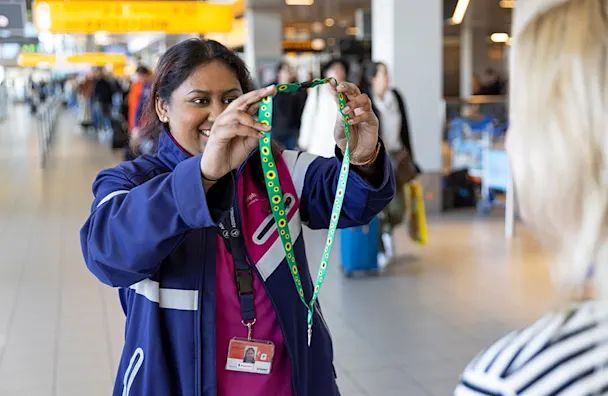
The transition itself is being treated with care. Schiphol and the current contractor are consulting closely with unions and coordinating timelines to keep disruptions minimal. The goal isn't to flip a switch and chaos; it's to preserve every service that works while building something stronger on the backend. That's the kind of unglamorous work that rarely makes headlines but matters enormously to the people who depend on it.
As airports across Europe grapple with surging passenger numbers and evolving accessibility standards, Schiphol's choice signals something broader: the most important services don't belong in the hands of rotating contractors. They belong to the people running the show. That philosophy is spreading. Other major European hubs face their own capacity crises, and how they handle passenger care during growth phases will define their reputations for years.
The work itself remains invisible to most travelers who walk through Schiphol without needing assistance. But for 750,000 people annually, that invisible infrastructure is everything. By 2028, when Schiphol takes it fully in-house, it won't feel revolutionary. It'll just feel like an airport that knows what matters and refuses to compromise on it.