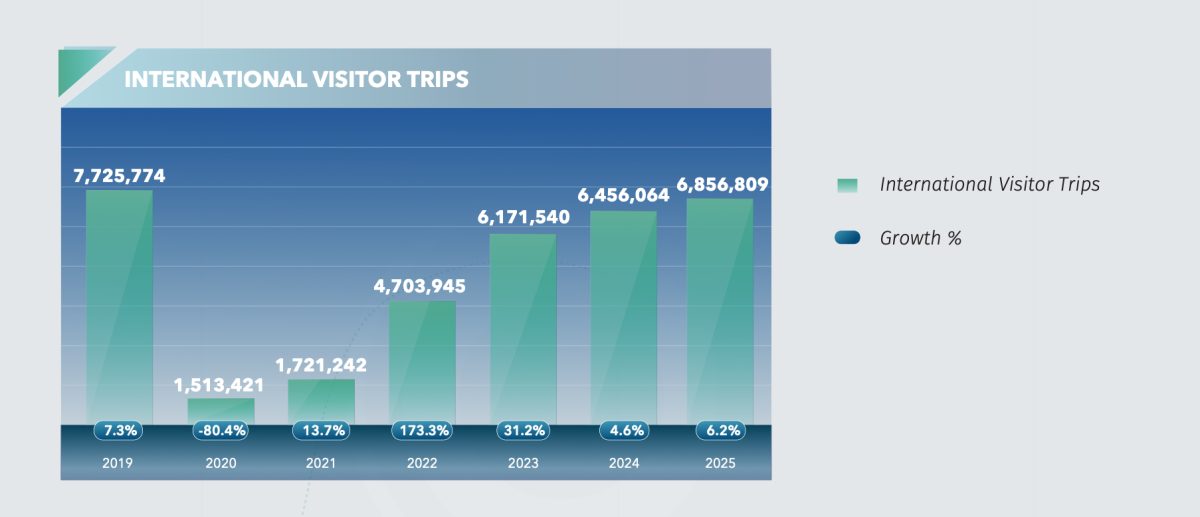
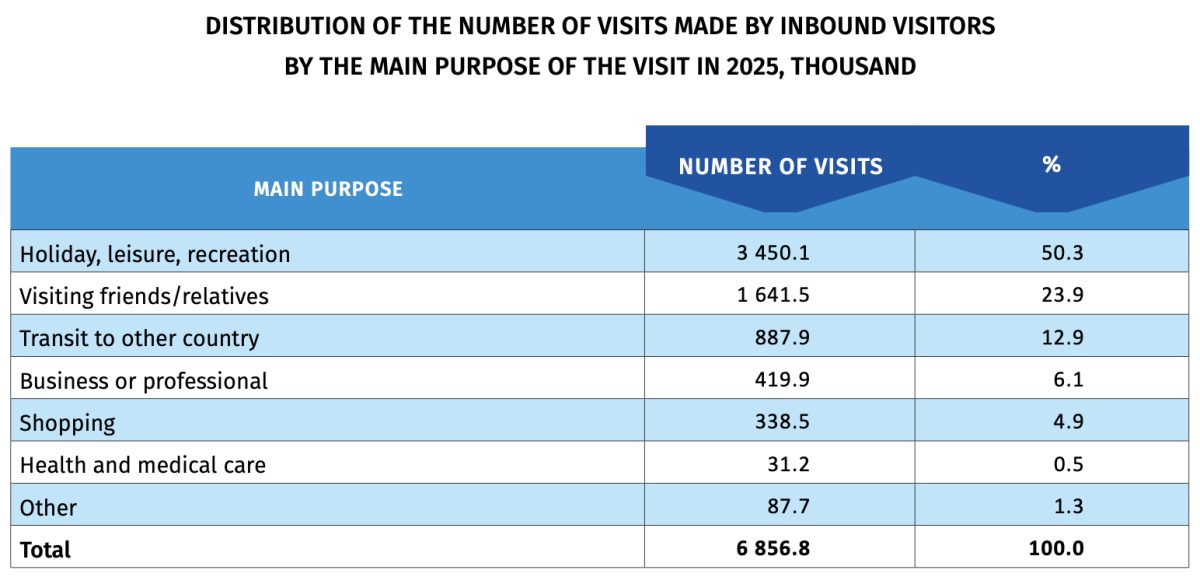
Georgia has become one of Europe's most surprising travel success stories. Between 2021 and 2025, international arrivals jumped from roughly 1.6 million to 5.5 million, and tourism revenues hit $4.7 billion. The country broke its pre-pandemic record in 2024 and kept climbing in 2025, even as protests filled the streets of Tbilisi and relations with the European Union soured.
That resilience is no accident. For years, Georgian governments have treated tourism as a strategic tool to attract foreign investment, expand air links, and position the country as a bridge between Europe and Asia. The goal is ambitious: to evolve from a regional stopover into a year-round, globally competitive destination.
Growth Against the Odds
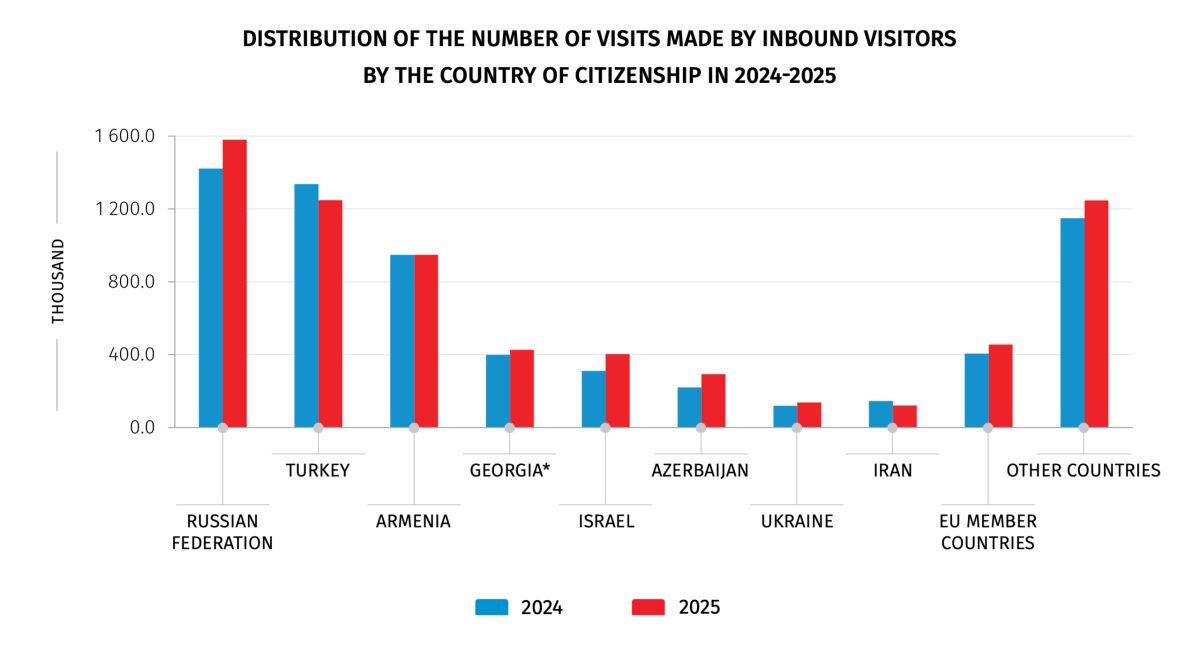
Political turbulence hasn't slowed the influx. Domestic protests and a stalled EU integration process have done little to dent demand. Instead, Georgia's tourism economy has thrived by drawing visitors from multiple, often opposing, markets. Russians, Turks, and neighbors from the Caucasus remain steady sources, while travelers from Israel, the Gulf states, China, and India are diversifying the mix.
But strong numbers can be deceptive. Long-term investment depends on predictability, regulatory stability, and reliable connectivity. Georgia's next test is preserving those foundations while navigating a fragmented geopolitical landscape.
Infrastructure Ambitions
The government is betting big on infrastructure. A proposed new international airport at Vaziani, near Tbilisi, could handle around 19 million passengers a year, a game changer for accessibility. Combined with hotel investments and improved regional links, these projects could reshape where visitors go and how long they stay.
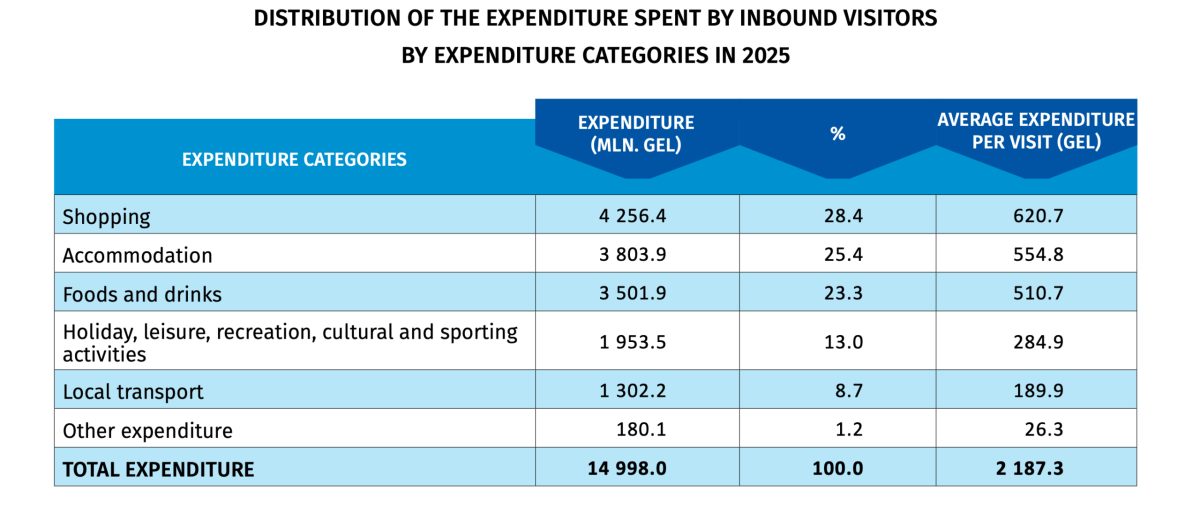
Yet infrastructure alone won't secure the future. Georgia still leans heavily on volume and price-sensitive regional markets. To boost spending per visitor, the country is looking beyond the traditional sun-and-city breaks. Wine tourism, gastronomy, mountain resorts, wellness retreats, cultural heritage, and business events all offer ways to increase value while spreading benefits beyond Tbilisi and Batumi.
Scenarios for 2035
What does the next decade hold? Under a moderate growth path, Georgia could welcome around 8 million visitors and earn close to $8 billion annually. A more ambitious scenario, with stronger connectivity and higher-value products, could push arrivals toward 10 million and revenues near $10 billion.
These are scenarios, not forecasts. Their success depends on infrastructure delivery, regional security, and how well Georgia manages the environmental pressures of rapid growth. The mountains, coastlines, and protected landscapes that define the country's appeal could suffer if development isn't responsible.
Other destinations facing similar growing pains offer lessons. Spain's tourism boom has become so massive that the country is now planning its own rescue, a cautionary tale about unchecked expansion. Meanwhile, Uzbekistan's tourism boom shows how a Silk Road nation can craft a distinct identity without losing its soul.
The Real Question
Georgia's tourism future hinges on more than just building bigger airports. It's about strengthening institutions, protecting natural assets, and creating a predictable environment for investors. The past five years prove the country has the appeal and entrepreneurial energy to compete far beyond its region.
The next decade will reveal whether Georgia can convert that momentum into a tourism economy that's less dependent on any single market, more resilient to shocks, and genuinely beneficial to its citizens. As tourism's new power game shows, diplomacy and deal-making are now inseparable from travel. Georgia has already shown it can grow through uncertainty. The question is whether it can build something lasting.