We often think of air pollution as a lung problem. But a growing body of research suggests it might also affect our minds. A team from Queen's University Belfast recently analyzed 29 studies on environmental exposures and suicide-related outcomes. Their findings, published in the journal Environmental Pollution, point to a troubling connection between dirty air and mental health crises.
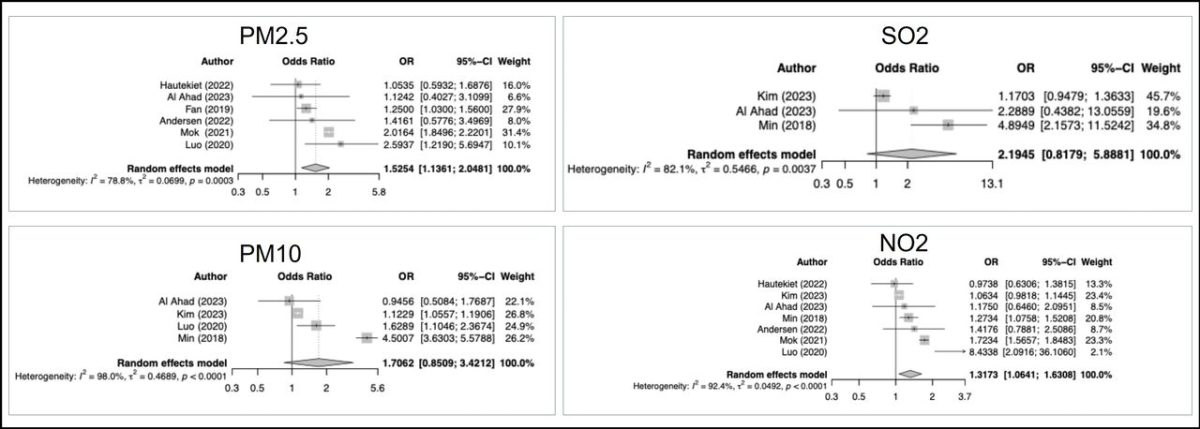
The researchers looked at how air, noise, light, and water pollution relate to death by suicide, attempted suicide, and suicidal thoughts. They found that fine particulate matter (PM2.5 and PM10) and nitrogen dioxide (NO2) were consistently associated with higher risks. Another 16 studies showed similar patterns for sulfur dioxide, ozone, and even noise pollution. The evidence for water and light pollution was less clear, but the air we breathe seems to matter more than we once thought.
This isn't just a niche academic concern. The World Health Organization reports that over 720,000 people die by suicide each year, making it the third leading cause of death among 15 to 29 year olds. The WHO has set a goal to reduce suicide rates by 33% by 2030, but progress so far is only 12%. As the WHO tweeted, "This is a crisis. We must act with urgency, compassion & investment in #SuicidePrevention."
For travelers, this research raises practical questions. If you're planning a long-term stay in a city with notoriously poor air quality, should you reconsider? The study suggests that reducing exposure to air pollution could be a modifiable factor in protecting mental health. That's a compelling reason to check air quality indexes before booking a month-long rental in a smoggy metropolis.
But not everyone is convinced. Dr. Jon Van Niekerk, chair of the general adult faculty at the Royal College of Psychiatrists, told The Guardian that "air pollution is closely associated with other factors which we know can influence mental health, including socioeconomic deprivation, urban living, physical health and housing." He cautioned that the findings don't prove a direct cause-and-effect relationship, and that pollution reduction alone won't solve suicide prevention.
Still, the Belfast team argues that environmental exposures should be considered alongside traditional suicide prevention strategies. They call air pollution a "modifiable risk factor," meaning we can do something about it. That's a powerful idea, especially for cities and countries looking to improve public health.
For the travel industry, the implications are significant. Transportation is responsible for about 14 to 15% of global emissions, and aviation is a major contributor. Some airlines are already taking steps to reduce their environmental footprint. For example, Brussels Airlines just halved its noise pollution, a move that could have positive effects on both local communities and passengers.
If you're a digital nomad or long-term traveler, you might want to factor air quality into your destination choices. Cities like Ulaanbaatar, Delhi, and Beijing often rank high on pollution indexes, while places like Wellington, Reykjavik, and Honolulu are known for cleaner air. A quick check of the Air Quality Index (AQI) before you book could be as important as reading reviews of the Wi-Fi speed.
Of course, mental health is complex, and no single factor determines it. But if something as simple as breathing cleaner air can reduce your risk, it's worth paying attention to. As the researchers note, "environmental exposures as modifiable risk factors in suicide prevention" deserve more attention from policymakers and individuals alike.
So next time you're planning a trip, consider the air you'll be breathing. It might just be as important as the sights you'll see. And if you're looking for destinations with pristine air, check out our guide to Death Valley's rare wildflower explosion, a natural wonder that thrives in one of the most extreme environments on Earth.