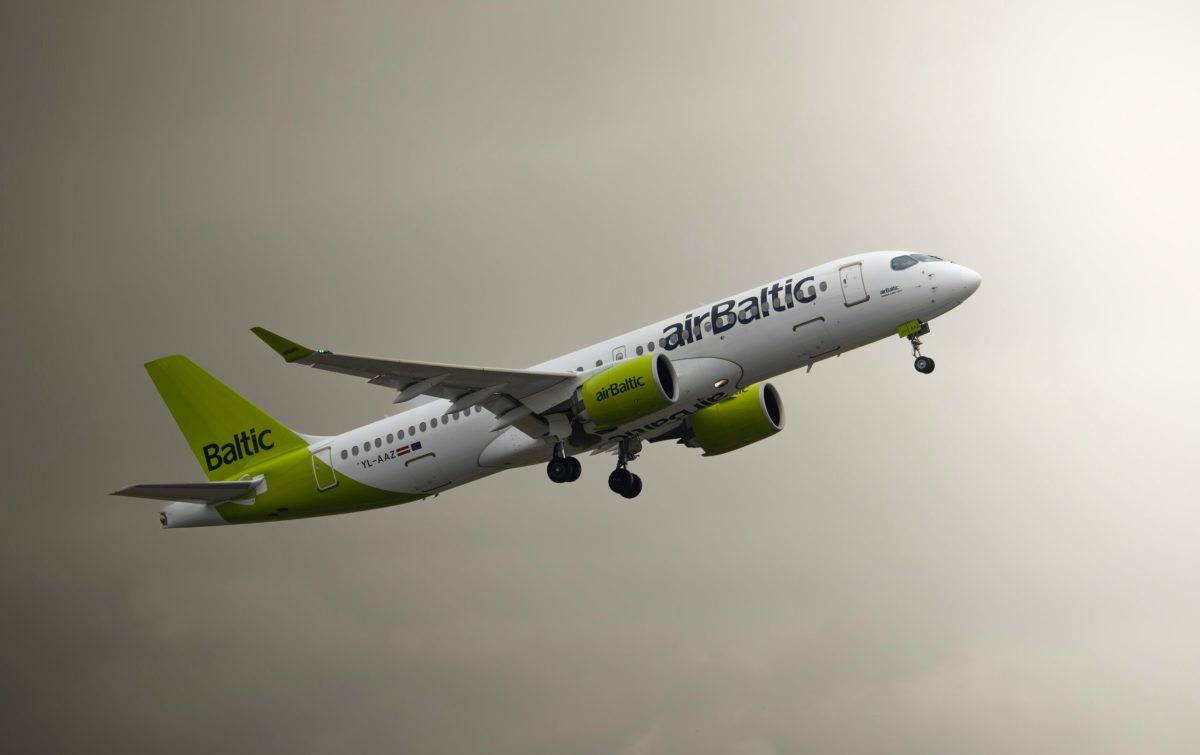
airBaltic is not shutting down. Let that sink in before you panic about your Riga trip. The Latvian flag carrier has filed for Chapter 11 bankruptcy protection in New York, a court-supervised maneuver that lets it keep planes in the air while it untangles a mess of debt, leases, and contracts. It is the aviation equivalent of hitting the reset button while the engine is still running.
The airline says scheduled flights will continue, backed by a €350 million debtor-in-possession financing commitment. A judge has already authorized access to €140 million of that, according to Flightradar24. So if you have a ticket, breathe. But the story behind the filing is a slow-motion pileup that says a lot about the fragility of European aviation right now.
How a regional star ran out of runway
The immediate trigger was a liquidity squeeze, but the cracks had been widening for years. Pandemic losses gutted the balance sheet. Then Russia's invasion of Ukraine wiped out the Russia, Belarus, and Ukraine traffic that had fed airBaltic's Riga transfer hub. Court filings summarized by Bandoro estimate the airline lost around €40 million in 2022 passenger revenue from those suspended routes. Add costly cancellations, replacement aircraft, and stunted growth, and the picture gets ugly fast.
Then came the engine problem. Pratt & Whitney engine shortages repeatedly grounded airBaltic's all-Airbus A220 fleet. A single aircraft type can simplify training and maintenance, but it also means one supply chain hiccup can paralyze an entire airline. That is exactly what happened.
Fuel was the accelerant. After selling its remaining hedges in March 2026 to protect minimum liquidity, airBaltic was fully exposed to spot prices as jet fuel surged. Bondoro reports fuel peaked about 109% above January levels, a shock Reuters links to the Iran conflict. Competitors with better hedges could absorb the blow. airBaltic could not pass the increase to passengers without risking weaker demand.
The refinancing that never came
Out-of-court refinancing attempts ran out of runway too. Reuters reports roughly $583 million in funded debt and finance-lease liabilities, plus €106 million in payroll taxes, airline taxes, and fees. A proposed super-senior bond carried a punishing 25% rate. The Chapter 11 facility costs about 12%. Chief executive Erno Hilden said the process would let the company seek "sustainable terms" from stakeholders, with a restructuring target of June 2027.
For the industry, airBaltic is a cautionary tale about concentrated fleet risk and debt-funded expansion. The carrier had planned to grow toward 100 aircraft. It now expects about 36 by the end of 2026 and may cancel or defer 40 additional A220 deliveries. That reversal matters to Airbus, Pratt & Whitney, lessors, and the Lufthansa Group airlines that use airBaltic aircraft and crews. It also echoes the kind of consolidation pressure we are seeing elsewhere, like South Korea's budget airlines merging into one giant carrier.
The case may encourage more European carriers with international creditors to consider US Chapter 11, which offers a single forum to reshape leases, orders, and financing while keeping operations alive. But the high price of rescue capital shows how quickly weaker airlines get forced into expensive protection when fuel spikes or geopolitics intervene. Governments face pressure to safeguard connectivity without repeatedly socializing airline losses.
What it means for your next trip
For travelers, the near-term message is continuity, not collapse. airBaltic says flights will operate as scheduled, and its court motions seek authority to keep honoring tickets, refunds, gift cards, loyalty benefits, and EU261 claims. Bankruptcy protection itself does not invalidate a ticket.
Still, expect a thinner network over time. Fewer aircraft can mean reduced frequencies, fewer seasonal routes, and less choice, particularly through Riga and across the Baltic states. If you have near-term bookings, monitor airline messages and keep your receipts. The bigger question is whether a leaner airBaltic can preserve the Baltic connectivity that larger network airlines and low-cost rivals may not fully replace. For a sense of how fiercely carriers fight over strategic hubs, look at Europe's aviation titans fighting for control of Portugal's flag carrier.
The restructuring is a bet that reliability and a smaller core network can restore confidence. It is also a reminder that the airline industry's margins are razor-thin, and a single fuel spike or geopolitical shock can push a carrier to the brink. For now, airBaltic is flying through the storm, not into it.