Spain has a problem most destinations would envy. International arrivals hit 58.1 million in the first seven months of 2026, up 4.6% from the same period last year, which was itself a record. Visitors spent €82.05 billion, a 7.8% jump. By 2040, Deloitte and Google predict Spain will overtake France as the world's most visited country, hosting around 110 million tourists a year.
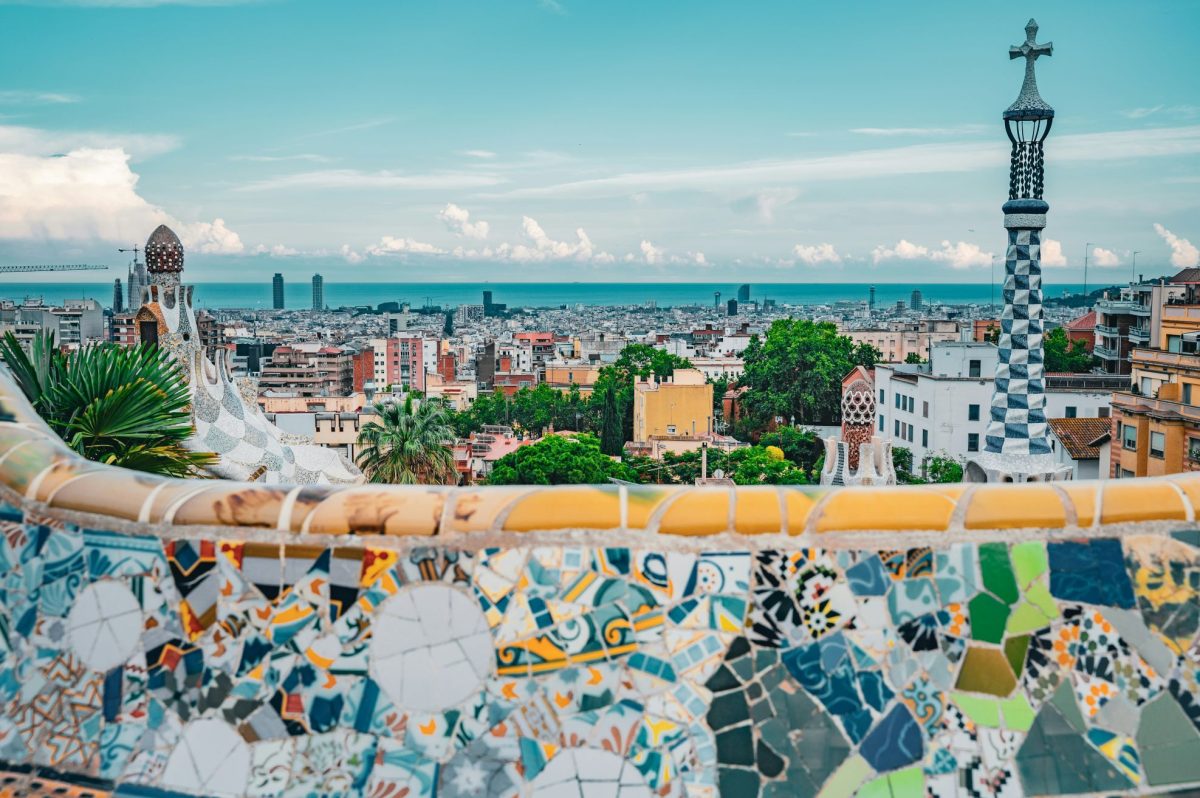
But that success comes with a sting. Locals in hotspots like Barcelona and Mallorca have taken to the streets, fed up with anti-social behavior, soaring rents driven by short-term holiday lets, water shortages, and a cost of living that prices Spaniards out of their own beaches. As Carlos Ruiz González, director of the Spanish Tourist Office for the Gulf region, put it at Arabian Travel Market in Dubai, "We have some destinations that are dying of success."
The government's answer is the Sustainable Tourism Strategy 2030, a participatory process that brings together businesses, regional governments, industry experts, and civil society. The goal is to shift Spain's decades-old "sun and beach" model toward something that can handle "profound social changes" and the climate emergency. For the first time, the strategy treats climate change as a central factor, with measures for mitigation and risk management, as Prime Minister Pedro Sánchez announced.
The plan rolls out in three phases, each with two-year action plans. It tackles everything from job quality and affordability to the rural exodus and overtourism. One key idea is to spread visitors beyond the crowded coasts, using Spain's high-speed rail network to lure travelers into the mountains and smaller towns like those in Castilla. That's a smart move, especially since train travel across the region is getting easier.
But the strategy isn't just about moving people around. It's about rethinking what tourism is for. The government wants to distribute "the benefits and burdens of tourism" more equitably, which means sharing responsibility for solutions. That's a tall order when the industry is booming and the pressure to keep growing is intense.
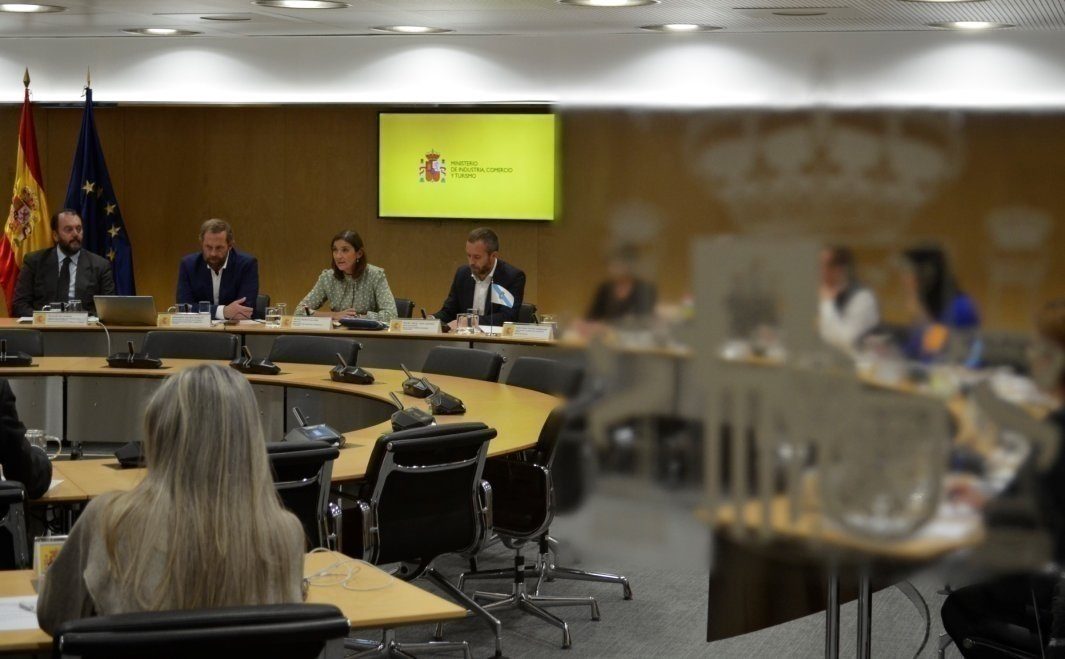
Spain's approach is being watched closely. At a recent meeting of the Spanish Tourism Council (CONESTUR), the country offered its experience to the European Union's future sustainable tourism strategy, as tweeted by the Ministry of Industry and Tourism. If Spain can pull this off, it could become a global model for how to manage tourism's dark side.
For travelers, the changes might mean fewer crowds in the usual spots and more reasons to explore the interior. The high-speed trains already connect Madrid to Seville, Barcelona, and beyond, making it easy to trade the Costa del Sol for a quieter village in Extremadura. And with Spain on track to dethrone France, the timing couldn't be better.
Whether the strategy works remains to be seen. But Spain is at least asking the right questions. Can a country keep its tourism economy thriving without sacrificing the very things that make it worth visiting? The next few years will tell.