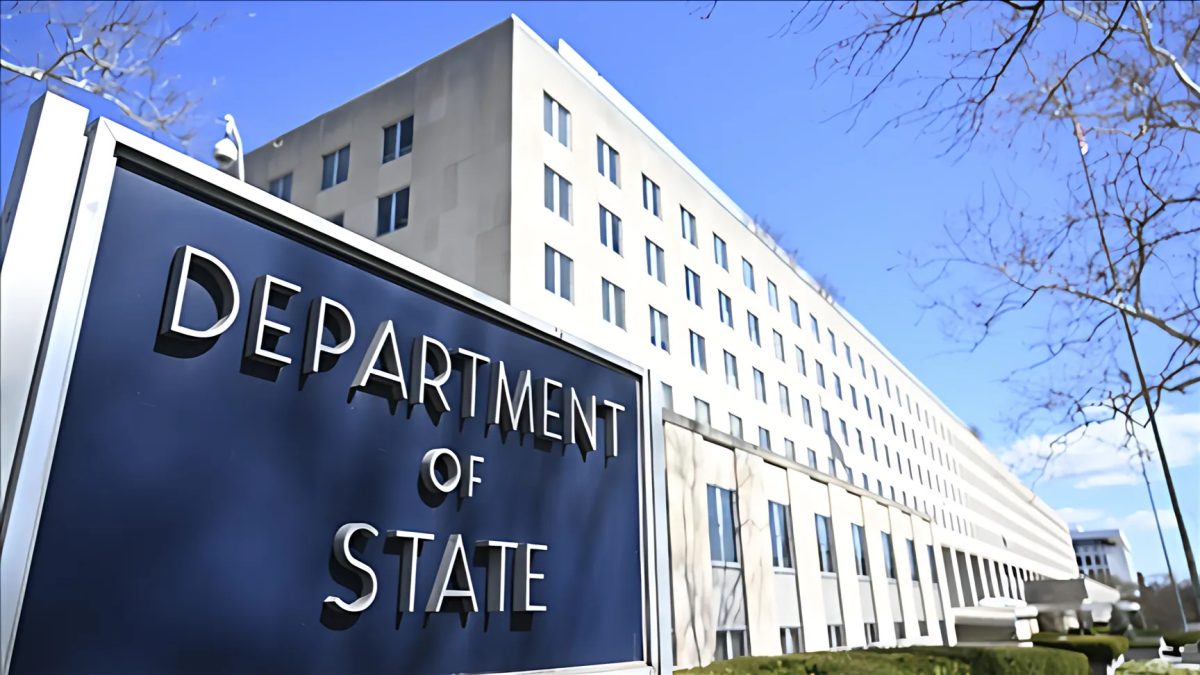
The US State Department has once again turned up the volume on its travel advisory for the Middle East, and this time the message is blunt. In a fresh alert posted on September 19, 2026, the agency urged Americans to "seriously reconsider" any plans to visit or transit through the region. The reason? A security environment that officials describe as "complex" with the potential for "unforeseen escalation."
That's diplomatic speak for a situation that could change in a heartbeat. The advisory specifically warns of possible flight cancellations, airspace closures, and broader travel disruptions. It also points to recent hostilities involving Iranian-supported Houthi rebels, who have targeted civilian airports in Saudi Arabia. Just hours before the warning, the Houthis claimed they struck "sensitive" sites in Riyadh, and witnesses reported smoke rising near the capital's airport.
This isn't the first time the US has raised the alarm. The advisory has been in place since late February, when the US-Israel conflict with Iran began. But the renewal comes at a moment when the region's aviation industry is already reeling. Dubai International Airport, one of the busiest in the world, saw passenger traffic plummet by 31.3% in the second quarter of 2026 compared to the same period last year. Across the wider Middle East, aircraft movements dropped by 32.1%. International tourism growth slowed to a crawl, with just 0.4% growth in the first half of the year, as higher oil prices and inflation added to the strain.
What the Warning Actually Says
The State Department's alert is more than a generic caution. It notes that US government employees in Saudi Arabia now need special authorization for any travel to the cities of Taif and Yanbu, a detail that underscores how seriously officials are taking the situation. The advisory also reminds Americans that US diplomatic facilities, even outside the Middle East, have been targeted in the past, and that Iran or its allies could strike US interests worldwide.
For travelers, the practical takeaway is clear. If you're planning a trip to the region, think twice. If you're already there, stay alert, monitor airport and airline updates, and have a backup plan. The warning categorizes countries by risk level. Iran, Iraq, Lebanon, Syria, and Yemen carry a "do not travel" red alert. Bahrain, Israel, the West Bank and Gaza, Jordan, Kuwait, Oman, Qatar, Saudi Arabia, and the UAE are under an orange "reconsider travel" advisory.
Why Now
The timing of this renewal is no accident. President Donald Trump has once again threatened to "destroy" Iran in a phone call with Fox News, and Iran's military command has vowed to retaliate against US bases and allies if attacked. The rhetoric is heating up, and the State Department is bracing for possible fallout.
For those with tickets to the region, the advice is to stay flexible. Some airlines have already adjusted schedules, and more disruptions could follow. If you're considering a trip to the Middle East, it might be wise to look at alternatives. For instance, Britain's airports just shattered records despite Middle East chaos, showing that other hubs are thriving. Or you could explore how Cyprus tourism crashed as Middle East tensions scared visitors away, a sign of how quickly the situation can shift.
What Travelers Should Do
If you're determined to go, the State Department recommends enrolling in the Smart Traveler Enrollment Program (STEP) to receive updates. Keep copies of your passport and important documents. Avoid large gatherings and areas with known US or Western presence. And above all, have an exit strategy.
The Middle East remains a region of immense beauty and cultural depth, but right now, the risks are real. As the situation evolves, so will the advisories. For now, the message is simple. Reconsider. And if you do go, go prepared.
For more on how the region's aviation landscape is shifting, check out Saudi Arabia's bold bet to steal Middle East aviation's crown and Emirates ditches discounts to win back travelers during Middle East crisis.