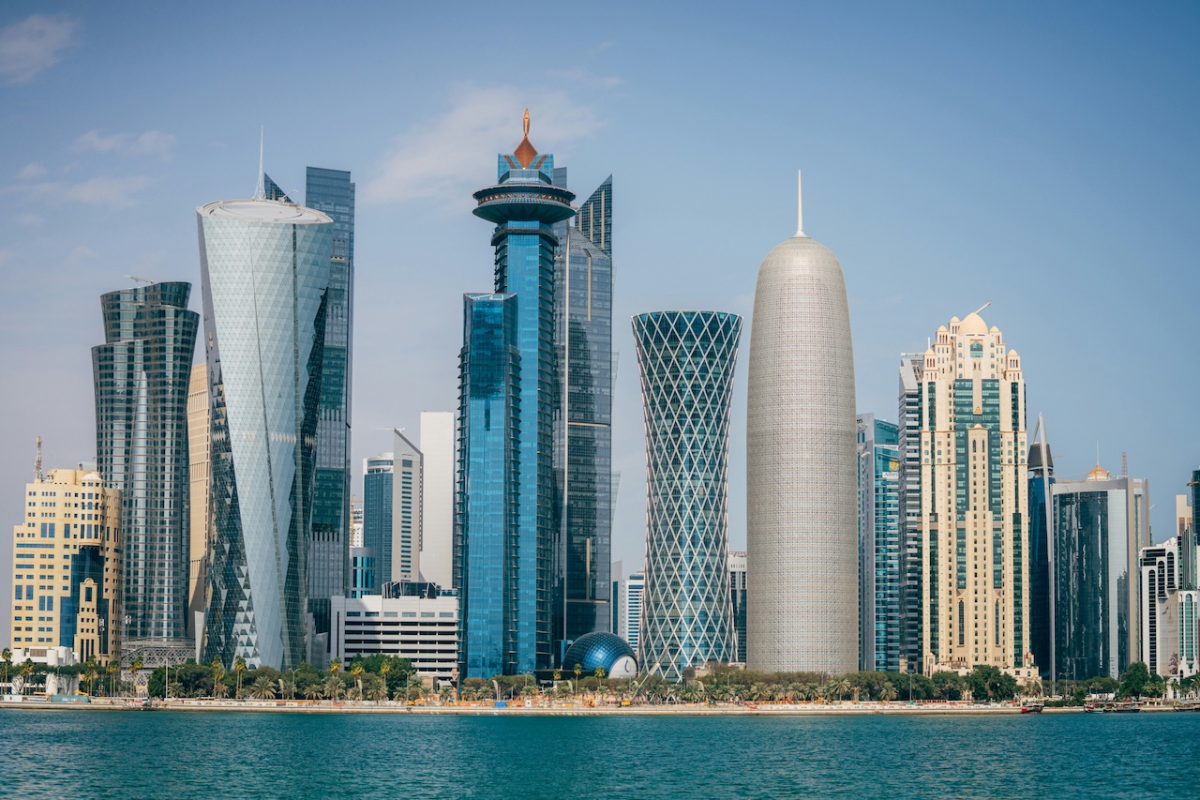
When the final whistle blew at the 2022 FIFA World Cup, Qatar faced a familiar question for host nations: what happens after the world leaves? The answer, it turns out, is a relentless parade of events designed to keep the spotlight on. The country has just unveiled a national calendar with 560 events stretching into 2027, covering everything from MotoGP to Art Basel, and it's clear that Qatar intends to turn its post-tournament glow into a permanent travel draw.
The sports lineup alone is enough to make any fan's head spin. The 2026 FIFA U-17 World Cup kicks things off, followed by MotoGP at the Lusail International Circuit, the Qatar T100 triathlon final, and the Doha Marathon. Then 2027 rolls in with top-tier tennis, the FIBA Basketball World Cup, and Formula 1. These anchor events are just the start. Visit Qatar has woven in concerts from Hans Zimmer, Angham, and Saint Levant, plus the Qatar International Food Festival and Art Basel, to pull in crowds beyond the stadium turnstiles.
This isn't just about filling hotel rooms, though it does that well. Officials say more than five million visitors arrived in 2025, with hotel occupancy above 71% and tourism supporting over 163,000 jobs. The bigger goal is economic: tourism should account for 12% of Qatar's GDP by 2030. To get there, the country is building practical infrastructure to match the ambition. A unified ticketing system is due by the end of 2026, and the Hayya platform is being streamlined for easier entry and visitor perks. New partnerships with Qatar Rail mean the Doha Metro and Lusail Tram will connect directly to events, cutting the friction between airports, hotels, and venues.
Getting to Qatar is half the battle, and the national carrier is pulling its weight. Qatar Airways plans to serve more than 170 destinations with nearly 1,800 weekly flights through Hamad International Airport by December 2026, adding capacity across Europe, Africa, Asia-Pacific, and the Americas. The airline's rapid rollout of complimentary Starlink WiFi on widebody aircraft also makes Doha a more tempting hub for long-haul travelers. If you're planning a trip, you might want to check out how Qatar Airways is easing winter travel with these new connections.
But here's the catch. The regional airspace is still a work in progress. As of late September 2026, major Gulf airports are operating, but European safety guidance advises airlines to avoid Persian Gulf waters within the Bahrain, Kuwait, Qatar, and UAE flight information regions except for essential arrivals and departures. Kuwait still restricts overflights. Airlines are restoring services on different timetables, dealing with tactical rerouting, compressed corridors, air traffic congestion, and widespread GPS interference. For passengers, an open airport doesn't guarantee that every flight or codeshare itinerary will run as planned. The recent system failures in the UK show how fragile air travel can be, even in stable regions.
Qatar's events calendar is both a tourism product and a statement of resilience. It offers a year-round reason to visit, backed by world-class venues, efficient public transport, and a home carrier with global reach. Yet the success of this grand plan depends on sustained airspace access, reliable partner-airline schedules, and travelers' confidence that their itineraries won't be upended at the last minute. For now, the invitation is open, and the calendar is packed. Whether the skies cooperate is another story.
If you're considering a trip, keep an eye on the new satellite WiFi on Qatar Airways, which could make the journey smoother. And for those who love a good event, the sheer variety here is hard to beat. Just be ready for a bit of unpredictability in the air.