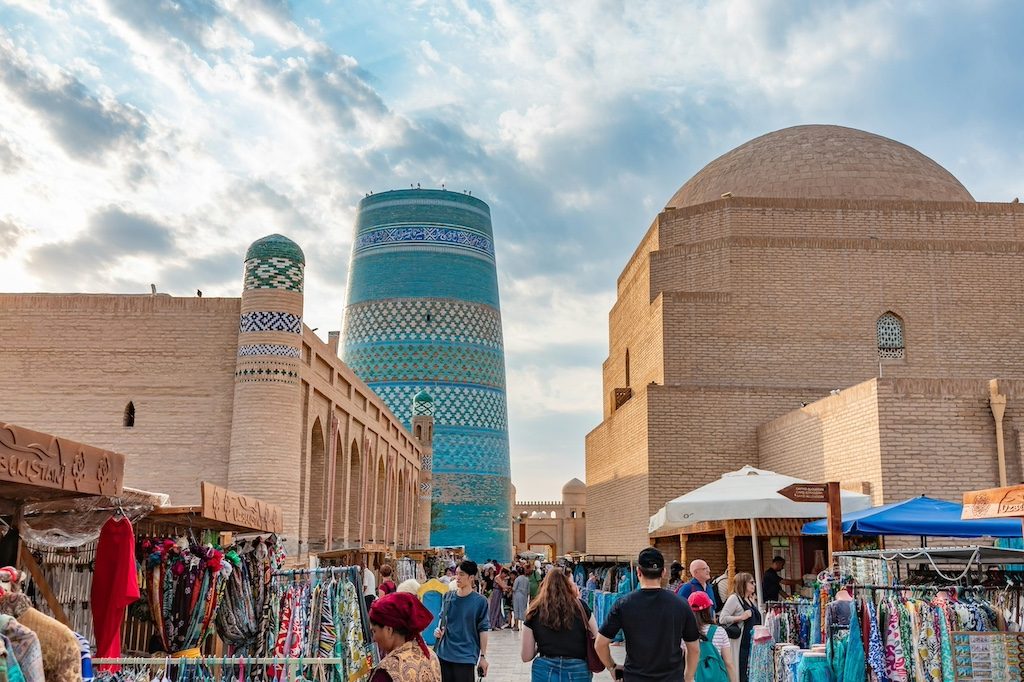
Uzbekistan is having a moment. The Central Asian nation, long known for the majestic blue domes of Samarkand and the ancient walls of Khiva, just posted a 21.1% jump in international arrivals. Between January and August 2026, 9.1 million foreign visitors came through, according to the Uzbekistan Tourism Committee. That is not just a blip. It is part of a deliberate push to hit 20 million visitors by 2030.
The numbers are impressive on their own. Service exports, which include tourism spending, climbed 53.5% to $4.6 billion. But the real story is how the country is changing to make that growth sustainable. The government has set its sights on doubling the number of four- and five-star hotels and building a total of 95,000 rooms. Already this year, 705 new accommodation providers have opened, bringing the total to over 7,440 registered places with room for 202,000 guests.
Faster Trains, Easier Visas
Getting around Uzbekistan used to be a test of patience. The train from Tashkent to Khiva took 14 hours. In May, the new Jaloliddin Manguberdi high-speed service cut that in half. That is a game changer for travelers who want to see the Silk Road cities without spending days on the rails. The government is also upgrading roads and internal transport links, with master plans worth about 950 billion soums this year.
Air connectivity is improving too, and visa procedures have been streamlined. For many nationalities, getting in is now far simpler than it was a few years ago. That combination of easier access and faster ground travel is opening up parts of the country that were once hard to reach.
Beyond the Classic Route
Most visitors still follow the well-trodden path through Tashkent, Samarkand, Bukhara, and Khiva. But Oybek Hakimov, an adviser to the chairman of the Tourism Committee, says travelers are now venturing further. The Fergana Valley, Kashkadarya, Surkhandarya, Muynak, and Nukus are all seeing new interest. These are places where you can still feel like an explorer, not just a tourist.
The shift is showing up in the numbers. Arrivals from China and Malaysia more than doubled. Japan sent 50% more visitors than last year. Germany was up 25%, while France and the UK each rose 21%. Long-haul travelers are staying longer and spending more, with average spending per tourist jumping from $197 in 2017 to $503 this year.
More Than Just Monuments
Uzbekistan is not resting on its architectural laurels. The country is pushing into ecotourism, with its dramatic deserts and mountain valleys. Ethnographic tours let visitors meet communities that have kept their traditions alive for centuries. Food lovers are discovering a cuisine that goes far beyond plov, from the sweet melons of the Fergana Valley to the hearty soups of the north. And for those seeking spiritual connection, there are pilgrimage routes that have drawn travelers for over a thousand years.
The corporate and events side is getting a boost too. A tax scheme now lets organizers of qualifying conferences, forums, and exhibitions recover 50% of the VAT they pay on eligible expenses. That is a smart move to attract business travelers, who tend to spend more and stay longer.
At a press event in Brussels, Ambassador Gayrat Fazilov summed up the ambition: “Uzbekistan has for centuries served as a bridge between civilizations, cultures and trade routes. Today, this historical legacy is being transformed into a modern and highly attractive tourism destination.”
For travelers, the message is clear. Uzbekistan is no longer just a stop on a grand Silk Road tour. It is becoming a destination in its own right, with the infrastructure to match its ancient wonders. If you have been waiting for the right moment to go, this might be it. And with new flight connections and faster trains, getting there is easier than ever. For more on how the region is opening up, check out India just got the keys to Uzbekistan's back door. And if you are planning a longer trip, you might also be interested in Dubai's tourism rebound after regional turmoil.