Tourism used to be a simple numbers game. Count the arrivals, tally the hotel nights, add up the spending. Those metrics still matter, but they no longer tell the whole story. Today, tourism is a diplomatic tool, an investment magnet, and a catalyst for urban reinvention. And a growing number of leaders believe the real action happens long before a single tourist steps off a plane.
That is the bet behind the Global Tourism Forum (GTF), a business-led organization with operations in Dubai and Brussels that has quietly become a meeting point for governments, investors, and industry chiefs. Its flagship event, the GTF Annual Meeting 2026, lands in Brussels on 9 and 10 November, and the official teaser promises a conversation about connection, confidence, and cooperation in a world that craves all three.
Beyond the conference hall
GTF is not trying to reinvent the traditional conference. It wants to replace it. The goal is to accelerate decisions, forge partnerships, and give destinations direct access to the capital and expertise they need to grow. That means the agenda stretches far beyond aviation and hotel chains. Infrastructure, urban mobility, digital security, real estate, sustainability, and investment finance all share the stage.
Brussels is a fitting host. As the political heart of Europe, it lets tourism be discussed as a policy priority, not just an industry. For destinations, the appeal is access to decision-makers. For private players, it is a chance to engage with governments and new markets. For policymakers, it is a window into how global investors see a rapidly shifting world.
From talk to tangible deals
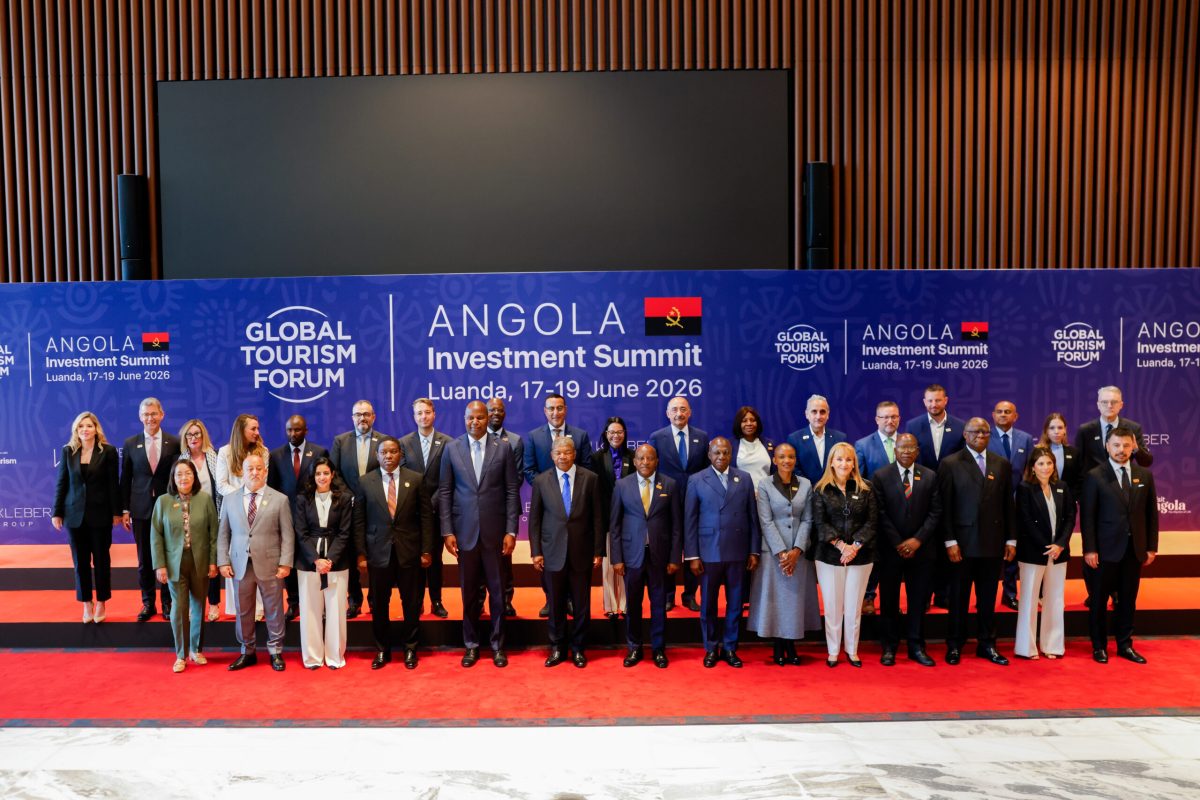
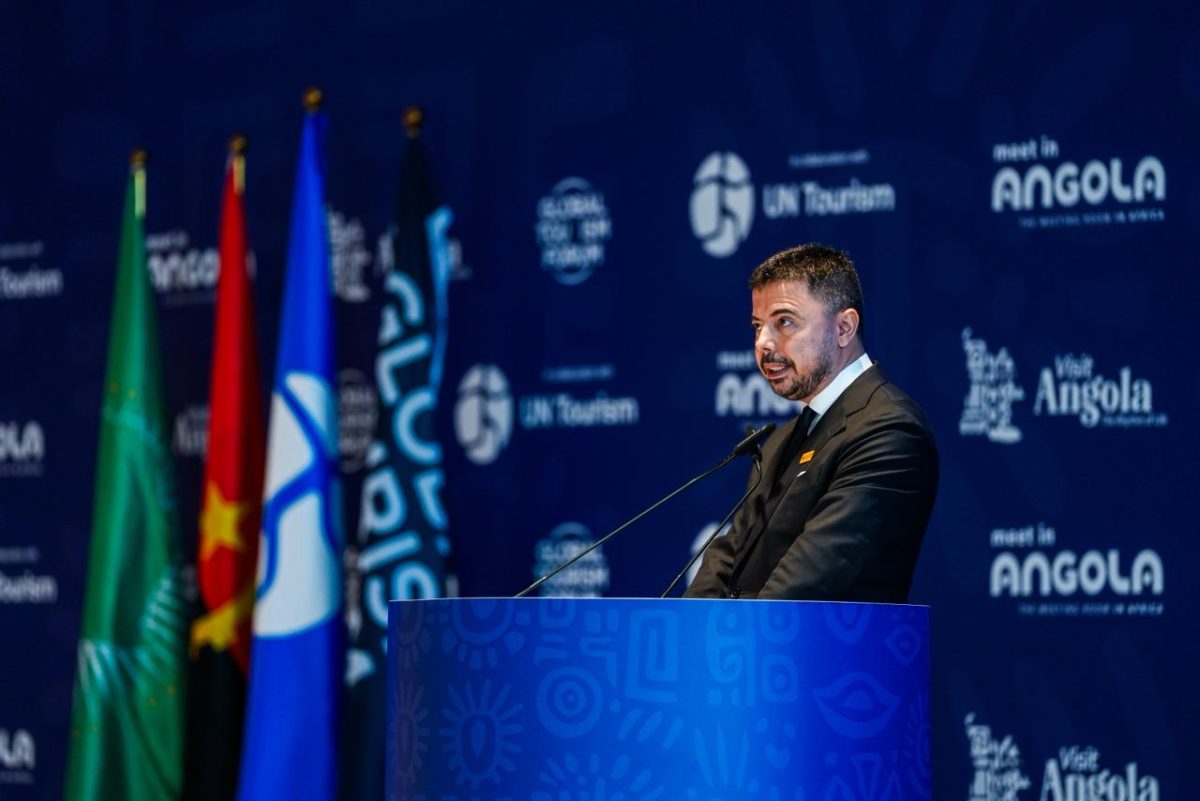
The forum's reach extends well beyond Europe. In June 2026, GTF convened an investment summit in Luanda, Angola, that drew roughly 1,500 participants and produced around 15 memoranda of understanding covering investment, development, and training. Angola is a case study in what GTF calls its central principle: destinations need more than pretty brochures.
They need investment pipelines, bankable projects, and structured engagement with the global investment community. For emerging markets, tourism can drive employment, infrastructure, and diversification, but only when political ambition meets capital and execution. The forum's meetings are designed to make that connection happen, moving from dialogue to signed agreements.
Small tables, big conversations
Not all the work happens on stage. GTF also runs invitation-only leaders' dinners in cities like Berlin, Cape Town, and Dubai. These off-the-record gatherings bring together ministers, ambassadors, investors, and executives for candid conversation away from the spotlight. It is a reminder that in tourism, as in diplomacy, relationships often matter more than presentations.
The same philosophy drives GTF's research arm. Its World Tourism Investment Index ranks 217 countries using 18 indicators across five categories, giving governments and investors a clearer picture of where capital might flow next. It is a tool designed to measure the future, not just describe the present.
For travelers, this shift matters. The destinations that thrive in the coming decade will be those that secure smart investment now. That could mean better airports, new rail links, or more sustainable hotels. Brussels, for instance, is already seeing the ripple effects of such thinking, from the return of its airport train to the revival of its gourmet tram. Meanwhile, places like Uzbekistan are rewriting their Silk Road story with tourism as a centerpiece.
The Global Tourism Forum is betting that the future of travel is built on more than wanderlust. It is built on deals, diplomacy, and the quiet work of connecting the people who build destinations with the people who fund them. And that is a story worth following.