Dubai has spent decades perfecting the art of the future. But the city's most compelling story right now is 239 years old.
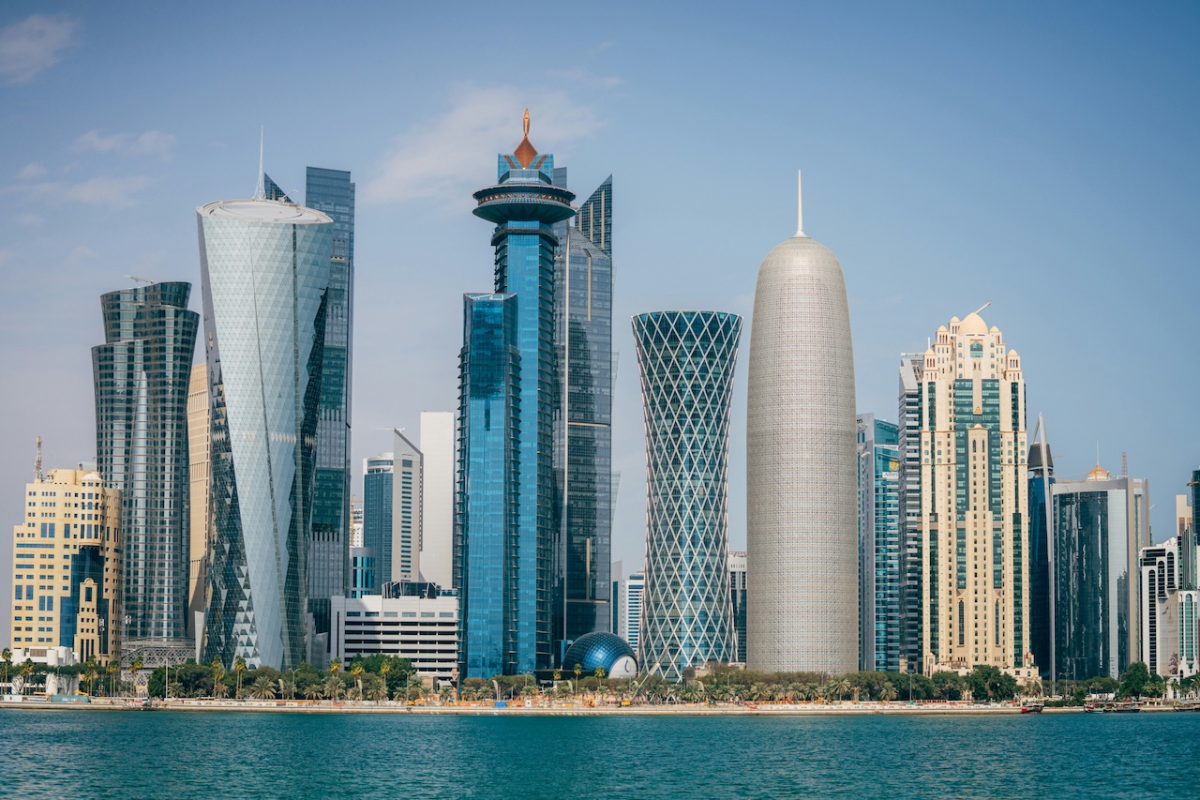
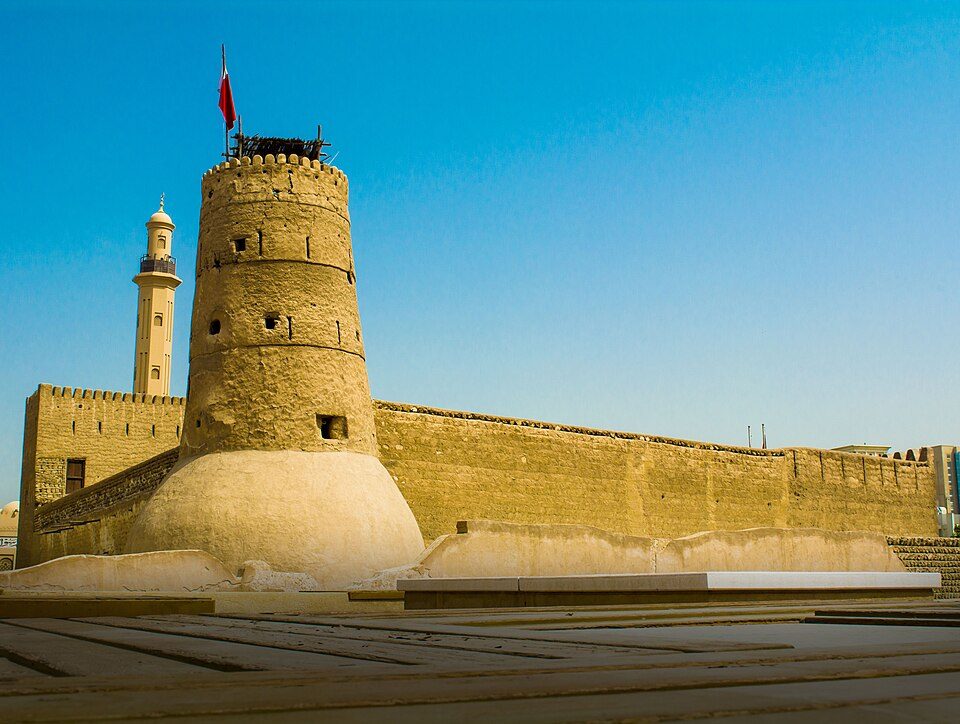
Al Fahidi Fort, the oldest surviving structure in Dubai, is reopening to the public after a five-year restoration. The fort sits in Old Dubai near the banks of Dubai Creek, wedged between the recreated souk of Al Seef and the glass towers that have come to define the emirate. Standing there, you get both versions of Dubai in a single glance.
The fort's oldest tower dates to around 1787. It was built in phases as a defensive stronghold, roughly square at 41 by 33 metres, with three corner towers. The walls are coral and shell stone bonded with lime, thick enough to block both attackers and the punishing heat. Its only entrance is a heavy teak door reinforced with iron nails and brass plates. Over the centuries it has served as a ruler's residence, a seat of governance, a prison, and an arsenal. Each role left its mark on the emirate's story.
In 1971, the year the UAE was founded, the fort became Dubai's first museum. That makes it the city's original cultural institution, long before the Louvre Abu Dhabi or the Museum of the Future existed. The restoration honours that legacy while giving it a modern pulse.
What you'll actually see inside
The tour begins underground, in a newly built extension that houses galleries on defence, leadership, and craftsmanship. In the fort itself, a light and sound show called The Vault traces Dubai's defensive history. Another gallery, A Landmark Across the Ages, walks through the fort's shifting roles over nearly two and a half centuries. A collection of Islamic arms and armour rounds out the military history.
Ayisha Khansaheb, Director of Al Fahidi Fort and Specialised Museums at the Dubai Culture & Arts Authority, told Euronews Travel that the site is meant to be a gateway into the city's past. "There is a growing need to emphasise that there is a soul, a culture and a history here," she said. The watchtowers, gates, and courtyard are open to visitors, and the fort itself remains the centrepiece. Khansaheb describes the experience as one where you "experience history through architecture."
The museum has been designed with children in mind, with interactive activities throughout. It is an educational space as much as a tourist attraction, aimed at residents, local communities, and schools as well as international visitors.
A different kind of warfare
The timing of the reopening carries weight. In 2026, Dubai is still recovering from the Iran war that began in late February, when Iranian missiles and drones targeted the UAE and disrupted air travel. The tourism industry took a hard hit. Hotel occupancy fell to 36% in March, according to the Dubai Department of Economy and Tourism. By August it had climbed back to 66%. International visitor numbers for the first eight months of 2026 reached 6.97 million, well below the 12.24 million recorded in the same period of 2025.
Against that backdrop, a museum about defence and resilience lands differently. It is a reminder that Dubai's story has always involved survival as much as ambition. The city's tourism rebound is still a work in progress, and cultural attractions like this one give travellers a reason to return beyond the beaches and malls.
Practical details for your visit
- Location Al Fahidi Historical Neighbourhood, near Dubai Creek and the Al Seef waterfront development
- Getting there The Al Fahidi Metro Station is a short walk away; abra rides across the creek drop you nearby
- Best time to go Morning or late afternoon, when the heat eases and the courtyard is at its most photogenic
- Combine with The Al Seef souk, the textile souk across the creek, and the narrow lanes of the historic district
- Who it's for Families, history buffs, and anyone who wants to understand Dubai before the skyscrapers
If you are planning a trip, it is worth checking how the city's broader recovery is shaping up. The rebound has been uneven, and some airlines are still adjusting their schedules. Lufthansa's Dubai comeback is one signal that confidence is returning, though European pilots have pushed back on the pace of Dubai's airline expansion. For a fuller picture of where the city stands, our report on Dubai's tourism rebound covers the numbers and the mood.
Al Fahidi Fort is not a theme park version of history. It is the real thing, patched and preserved, still standing where it was built when Dubai was a trading village of pearl divers and fishermen. The skyscrapers will still be there when you leave. The fort is the part you will remember.