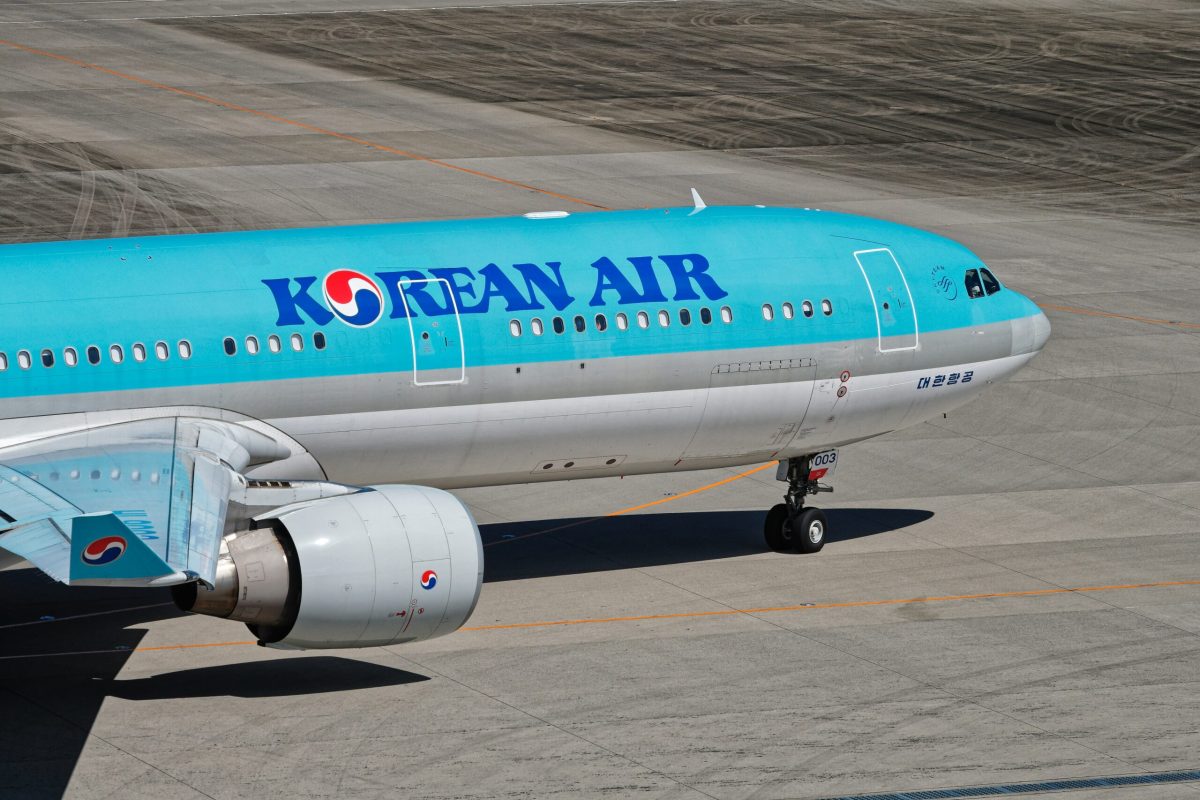
Late March 2026 brought unwelcome news for anyone planning to fly out of Seoul. Korean Air announced it would shift into emergency management mode starting in April, a drastic response to jet fuel prices that have nearly doubled in just weeks. The culprit? Escalating tensions in the Middle East that have disrupted global energy markets and sent aviation costs into the stratosphere.
The numbers tell a sobering story. When Korean Air budgeted for 2026, planners assumed jet fuel would hover around $2.20 per gallon. By April, they're bracing for prices near $4.50. That's not a modest bump. For an industry where fuel typically devours about a quarter of operating costs, this kind of spike hits hard.
Vice Chairman Woo Kee-hong framed the decision in measured corporate language, calling it "an opportunity to strengthen our structural foundation." But the reality is simpler: the airline needed to act fast or watch profit margins vanish. The company will implement tiered response measures based on oil price movements, tightening spending across all operations while hunting for efficiency gains wherever possible.
When Fuel Prices Spiral, Ticket Prices Follow
Don't expect to escape this crisis unscathed at the booking counter. Korean Air is preparing to raise fuel surcharges on flights departing from Incheon International Airport, and passengers on premium routes will feel it most acutely. A ticket to London or Paris could cost as much as 250% more than previous projections, depending on the specific route and travel date. This follows a pattern that's likely to ripple across the industry. Since fuel surcharges have become standard practice during energy crises, expect other carriers to follow suit.
The broader story involves a regional conflict that has effectively closed the Strait of Hormuz, strangling about 20% of global oil flows. When a critical chokepoint in international energy infrastructure gets locked down, the ripple effects reach everywhere, including your flight booking confirmation.
A Wider Struggle Across South Korea's Airlines
Korean Air isn't facing this alone, though that's cold comfort. T'way Air and Asiana Airlines have both activated emergency protocols. Meanwhile, Jin Air and Air Busan are slashing flight schedules in hopes of reducing fuel consumption. South Korea's reliance on jet fuel imported from the Gulf region has left the entire industry exposed. What works in stable times becomes a vulnerability when geopolitical tremors shake the energy market.
This crisis reveals something uncomfortable about modern travel. Your ability to book affordable flights depends not just on airline competition or seasonal demand, but on whether distant political tensions spike energy prices. For travelers planning trips to Asia or connecting through South Korean hubs, alternative routing options through carriers with different fuel sourcing strategies might suddenly look attractive despite higher ticket prices elsewhere.
The aviation industry has weathered supply shocks before, but this one carries an extra edge of uncertainty. Nobody knows how long Middle East tensions will persist or whether fuel prices will stabilize anytime soon. Airlines are making real-time decisions based on worst-case scenarios. Korean Air's emergency mode might last weeks or months. That uncertainty makes it especially important for travelers to book wisely and stay flexible on timing whenever possible.