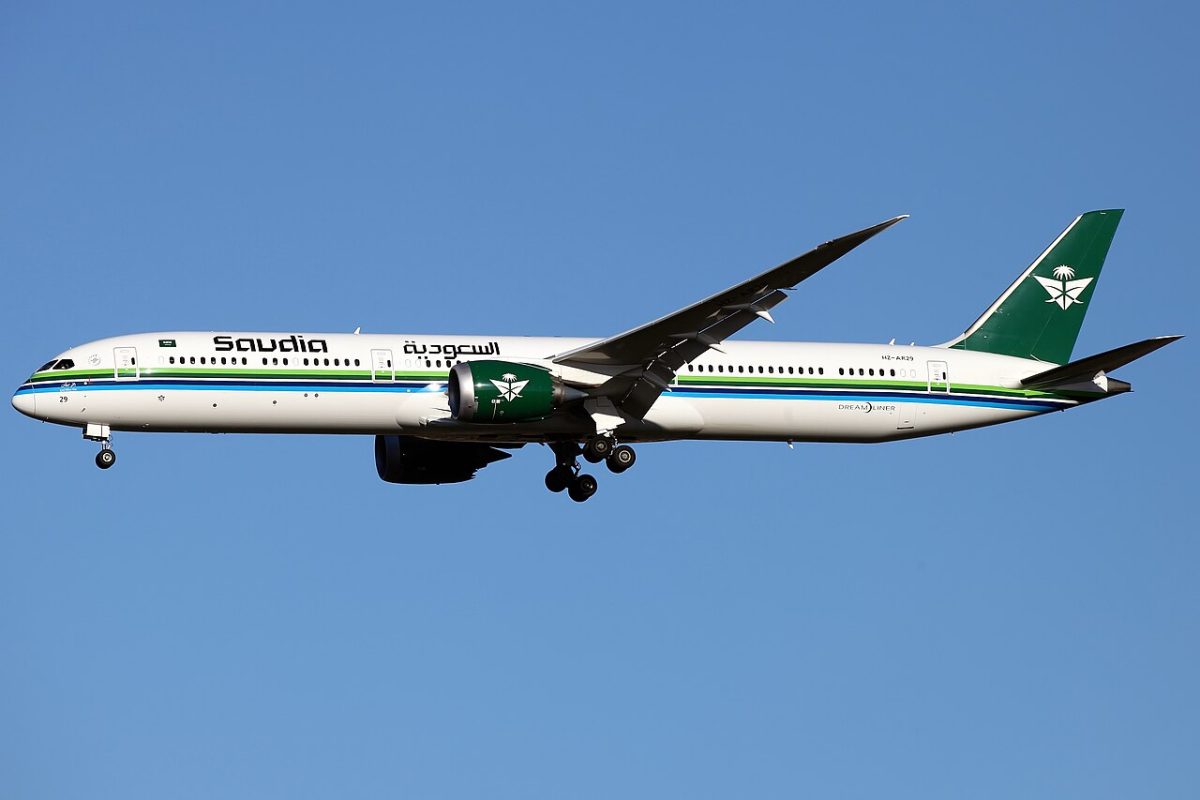
Geopolitical upheaval has a way of scrambling travel plans. When tensions escalated in late February 2026, airspace closures across the UAE, Saudi Arabia, and Qatar sent shockwaves through the aviation industry. Flight cancellations multiplied. Passenger confidence wavered. Yet something unexpected happened: travelers didn't pack away their suitcases. They simply redirected them.
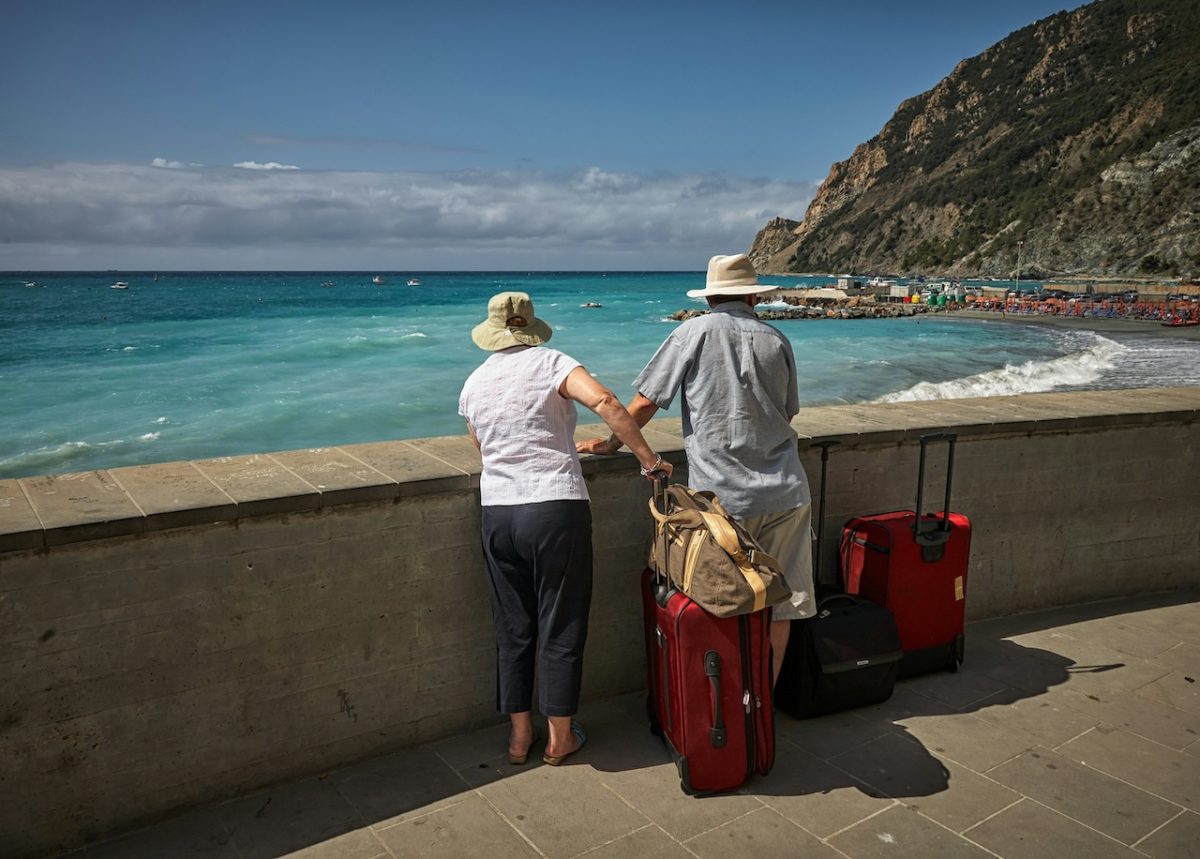
The numbers tell a revealing story. Lastminute.com, the Netherlands-based booking giant, logged about 17,000 affected reservations as the conflict unfolded. That sounds substantial until you learn it amounts to roughly one and a half days of their normal booking volume. More telling than the disruption was what happened next. Travelers didn't abandon travel altogether. They abandoned Dubai and Abu Dhabi for the Canary Islands, Sicily, Sardinia, and the Balearic Islands. Southern Europe became the unlikely winner of a geopolitical reshuffle.
"The overall intent to travel remains high," Lastminute.com stressed as it monitored the shift. What consumers craved above all else was reassurance and the ability to change plans without penalty. These weren't people who no longer wanted to explore the world. They wanted to explore it safely, predictably, and closer to home.
The fuel crisis layered on top
What complicates matters is that airspace instability arrived alongside something equally troubling for airlines: fuel price spikes. Jet fuel accounts for roughly a quarter of an airline's operating budget, making prolonged cost increases nearly impossible to swallow. Major carriers including Lufthansa, Air France-KLM, American Airlines, and Qantas began adjusting ticket prices upward to offset the pressure. Italy and British aviation hubs reported the first signs of operational strain as supply disruptions rippled through Europe, affecting nearly a third of the continent's jet fuel corridors.
The Middle East tourism sector, meanwhile, is hemorrhaging money. The World Travel and Tourism Council calculated that the region's visitor economy is losing at least $600 million daily, a figure that crystallizes how swiftly travel disruption becomes regional economic damage.
But demand keeps climbing
Here's the plot twist that matters. Despite all this turbulence, the travel sector itself is growing. Wizz Air carried 5.51 million passengers in March alone, an 8.4% year-over-year increase. Ryanair flew 15.8 million that month, up 5% from the previous year. Lastminute reported a 15% revenue surge to 361 million euros for 2025, with adjusted earnings climbing roughly a third to 55 million euros. The company is forecasting around 10% growth in both revenues and profits for 2026.
Alessandro Petazzi, the group's chief executive, credited their flexibility across Europe for enabling rapid adaptation. "We continue to closely monitor the evolving situation in the Middle East," he said, relying on what he called their "pan-European model" to shift resources and capacity as demand naturally rebalances across destinations.
What this means for your next booking
The path forward hinges on two variables: how long the conflict persists and whether fuel costs stabilize. If both issues drag on, travelers will feel the pressure directly. Airlines will likely offer fewer seats on some routes and charge more for others. Over 25 carriers have already reduced Middle East service, a trend that could accelerate.
The bigger question, though, extends beyond pricing and seat availability. This moment may do more than simply reshuffle which destinations get your money. It might force travelers to rethink how they travel entirely. Will budget carriers dominate future bookings? Will travelers embrace shorter-haul options? Will premium long-haul routes suffer lasting damage?
What seems certain is this: the travel appetite remains ravenous. People want to move, to see, to experience. Crisis doesn't kill that hunger. It just redirects it, teaches it new routes, and forces the industry to scramble and adapt. For now, southern Europe's beaches and cities are the beneficiaries. But the real winner is anyone still brave enough to book a flight.