When the European Union rolled out its Entry Exit System (EES) in April, border authorities promised a streamlined, tech-forward experience for travelers entering the Schengen zone. Instead, what followed was a summer of snaking queues, system crashes, and widespread confusion that shows no sign of ending soon.
An official from Frontex, the EU's border management agency, has delivered sobering news: expect the chaos to continue for one or two more years. Speaking at a travel industry event in London, Uku Särekanno, a deputy executive director at Frontex, pinpointed the culprit: the initial biometric enrollment process is far more demanding than anyone anticipated. "The most challenging part is the first enrolment," he explained, suggesting that once the system stabilizes, repeat travelers should clear borders more quickly.

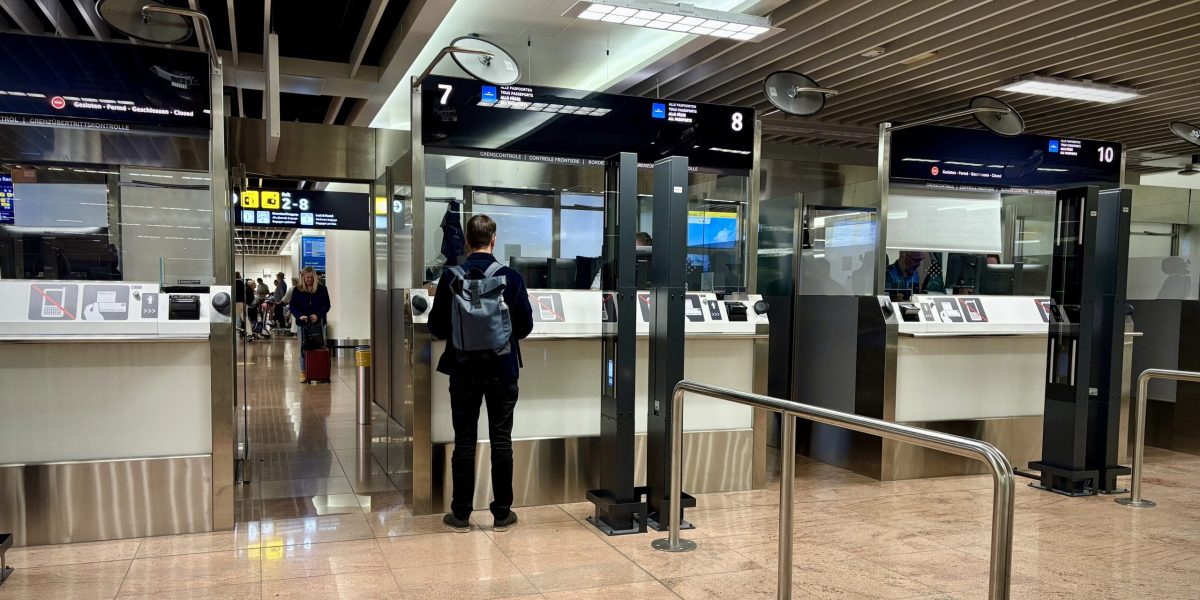
Here's how the system works in theory. Non-EU visitors entering the Schengen area must now submit a facial scan, fingerprints, passport details, and travel information at their first border crossing. This data gets stored digitally for up to three years, so return visitors should breeze through subsequent arrivals without repeating the process. Sounds efficient, right?
In practice, it's a different story entirely. Travelers report being asked to re-register on repeat entries. Others have no idea whether they successfully completed their initial registration at all. At Lisbon Airport, where police and the national guard were deployed just to manage crowd flow, visitors told us they have no clue if they'll face another enrollment when they depart. French authorities paused the process at Dover in May. Greece suspended it for British tourists. The inconsistency is maddening for travelers and embarrassing for border officials.
The discretion to temporarily suspend EES procedures expires in September, and Särekanno made clear there will be no further extensions. Border teams are working overtime to standardize the process across all entry points. "We're trying to ensure there's a coherent approach to the border procedures," he said. "We're putting in a lot of effort to ensure practices are harmonised." The tension is obvious: officials want consistency, but individual countries and airports are still figuring out how to implement the system at scale.
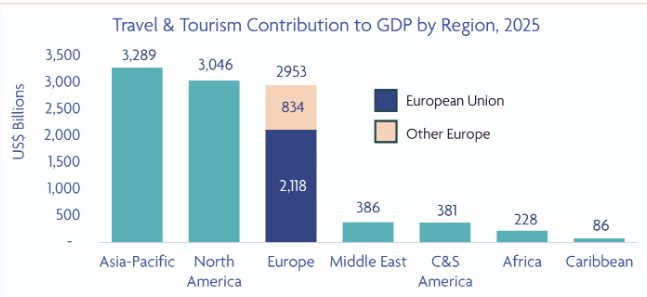
Travel industry leaders aren't hiding their frustration. The chief executive of ABTA (the UK travel association) called the two-year estimate "very painful." Airlines UK went even further, with chief Tim Alderslade suggesting the entire travel sector needs to regroup and solve this problem. Industry research suggests 41 million visitor arrivals are at risk, along with an estimated $45 billion in potential economic losses.
So what does this mean for you? If you're planning a European trip, add at least an extra hour to your arrival time at the border. Bring all required documents. Be prepared for delays even when everything goes smoothly. And if you encounter a system glitch, stay calm and ask a border officer for clarification. The process may be clunky right now, but Frontex is betting that by 2026, the worst will be behind us.
For now, Europe's gateway airports remain a frustration point for travelers arriving at what should be one of the world's most welcoming regions. The technology is here to stay, but the execution needs work.