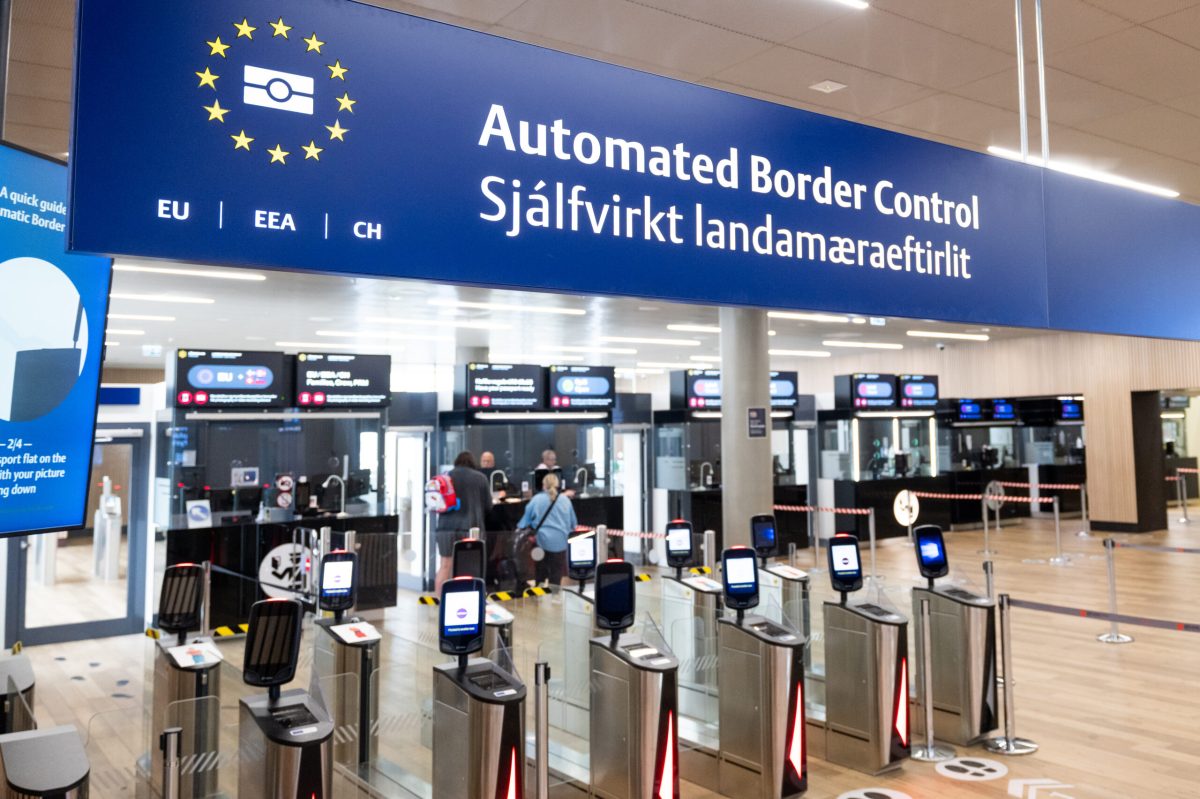
The European Union rolled out what was supposed to be a smoother, faster way to manage border crossings. Instead, travelers are standing in snaking queues that wrap around terminals, pulling their hair out while watching the minutes tick away before their flights.
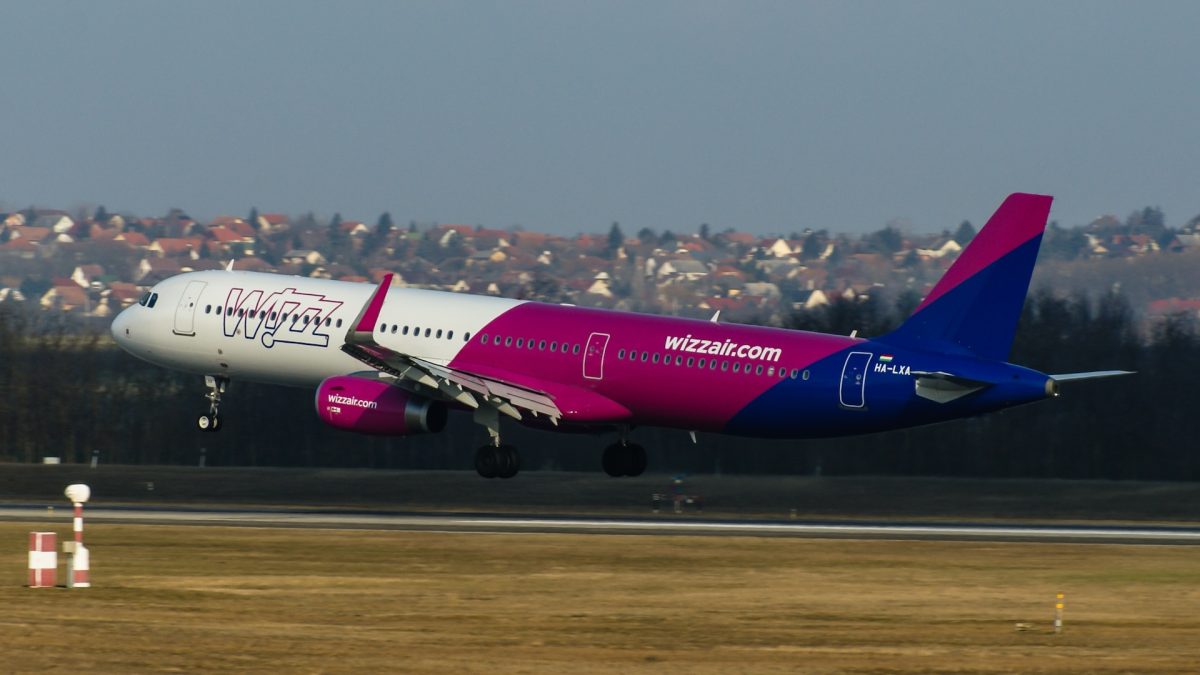
Wizz Air, the budget carrier relied on by millions of British holidaymakers heading to Europe, is now advising passengers to show up three hours before departure instead of the standard two. The culprit is the EU's new Entry Exit System (EES), which went live across the Schengen zone in October 2025 and was fully implemented by April 2026. The system requires third-country nationals (including UK citizens) to register their passport details and biometric data, including fingerprints, at border checkpoints.
The numbers tell part of the story. Since October 2025, the EES has processed nearly 80 million border crossings and rejected 35,000 entries. But beneath those figures lies a reality that travel experts and frustrated passengers know well: the system is creating operational chaos at major hubs.
Where the bottlenecks are worst
Lisbon's Humberto Delgado Airport has become the poster child for EES dysfunction. Passengers have been photographed queuing in massive crowds while national guard officers and additional police attempt to manage the flow. A CNN reporter who recently traveled through the Portuguese airport described the situation as "complete insanity." Lisbon Airport's new border system is breaking travelers in ways that extend far beyond a few extra minutes of waiting.
Spain, France, and Portugal have been particular problem zones. Yvonne Moynihan, Wizz Air's UK managing director, told the BBC that the system is "fragmented across Europe." While some destinations are handling the process without major disruptions, others are grinding to a halt during peak hours.
Greece took a different approach earlier this spring, unilaterally suspending EES controls for inbound British travelers and calling on the EU to reassess the system's impact on tourism. Greece's border gamble is luring British tourists away from Spain, a sign of how desperation to manage delays is reshaping travel patterns across the region.
What travelers should do right now
The immediate advice is simple but not entirely reassuring. Moynihan recommends arriving at least three hours before international flights rather than the two hours that have been standard for decades. She also suggests bringing a portable charger and water, since you will likely be standing in queues for longer than expected.
The EU Commission has acknowledged the problem and says temporary measures can be used at airports where operational issues arise until September 2026. ACI Europe, the airport industry trade association, has echoed the advice to follow airline guidance but warned that conditions are likely to worsen once summer travel season hits full swing.
The bigger picture for your European trip
Higher jet fuel costs are already pushing ticket prices up and forcing flight cancellations. Add border delays into the mix, and the entire European travel experience feels increasingly strained. Moynihan notes that cautious passengers are booking later in the cycle, waiting to see if prices drop. Her advice to travelers: "Feel confident booking," suggesting that Wizz Air is hedged against rising fuel costs, but the underlying message is clear. Travel to Europe will require more patience and planning than it did a year ago.
If you're booking a trip to continental Europe, treat the three-hour airport arrival window as essential, not optional. Check your airline's specific recommendations for your departure city, especially if you're leaving from Spain, Portugal, or France. And consider whether the extra hassle is worth it, or whether alternative routes might make sense for your journey. The EES was designed to streamline border management across the bloc, but for now, it's doing the opposite.