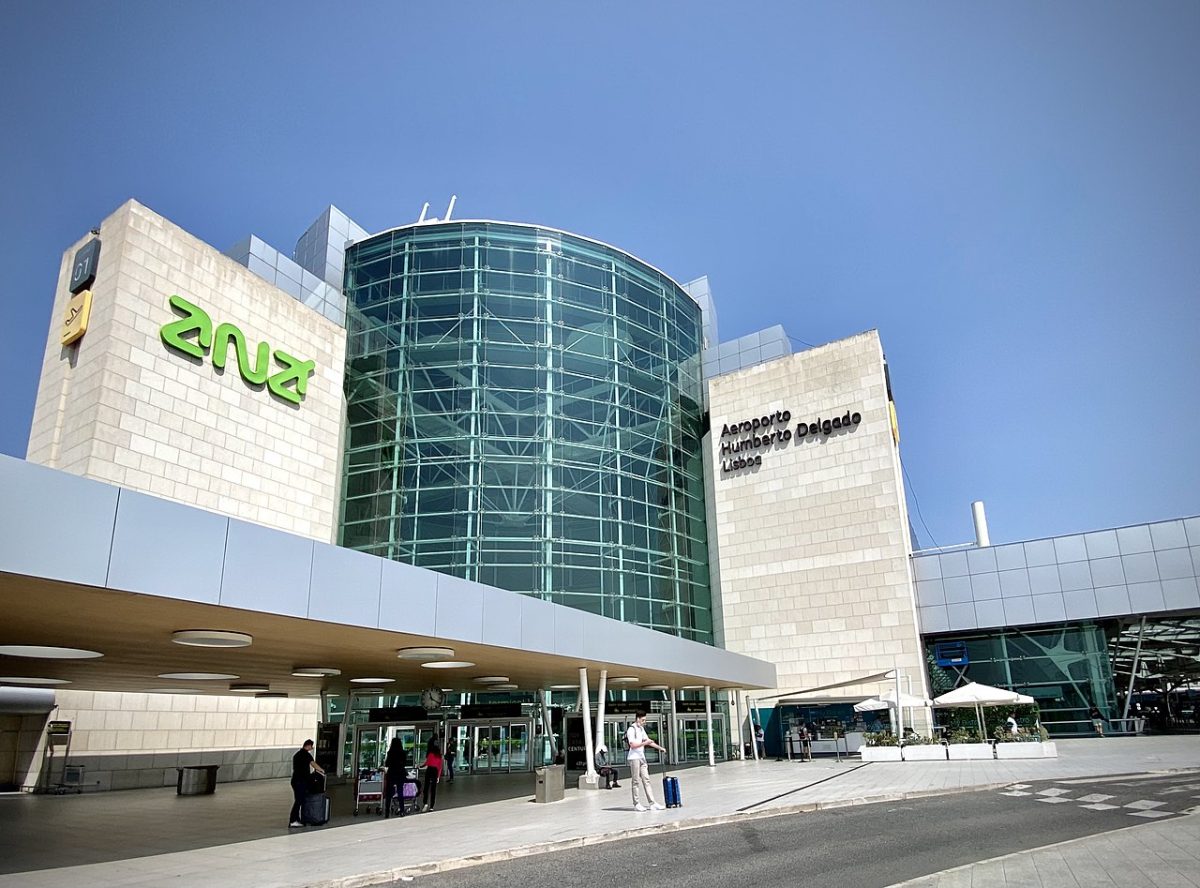
When CNN journalist Clarissa Ward arrived at Humberto Delgado Airport in Lisbon on May 26, she expected to catch her flight home. Instead, she found herself watching the clock tick away while standing in a queue that stretched hundreds of meters across the terminal. The reason: Europe's freshly implemented Entry Exit System (EES), a biometric screening program designed to tighten security at Schengen borders. What was supposed to improve efficiency has instead created what Ward, in a viral social media post, called "complete insanity."
The EES requires all non-EU visitors to have their fingerprints and facial data scanned before entering the Schengen area. On paper, this sounds straightforward. In practice, passengers are shuttled through multiple machines and multiple lines, with no clear sense of how long they'll be waiting. Ward described it as a maze: you use one machine, then join another massive queue depending on the results. Then another machine. Then more lines. She eventually abandoned the process, missing her flight and facing a six-hour wait for the next available departure.
The nightmare unfolding at Lisbon is part of a much larger rollout. According to travelers and local observers, the airport's immigration process has become notorious even before EES launched. Portuguese citizens have reported that two to four-hour queues are now routine, with some travelers missing flights and tensions occasionally boiling over into confrontations. The airport installed national guard units to handle the overflow, but even their presence couldn't prevent the chaos.
Portugal's government isn't taking sole responsibility for the disaster. Secretary of State for Infrastructures Hugo Espírito Santo pointed out that similar gridlocks have hit Amsterdam, Milan, Munich, and even Tenerife. "This is not a Portuguese problem, it's a European problem right now," he said. The statement carries weight, since these aren't small regional hubs. They're major European travel arteries now struggling under the weight of a system that rolled out during peak summer travel season. Still, the government promises 360 additional police officers will be deployed to airports starting in July, which feels like a band-aid on a hemorrhage.
Not every country is waiting for things to improve. Greece has already suspended EES checks for British visitors, acknowledging that the system simply cannot function smoothly yet. Travel associations across Europe have been pushing the bloc to allow for flexibility and workarounds as staff learn the system, but Brussels hasn't budged.
For travelers planning trips to Lisbon right now, the headaches don't end with border delays. Portugal has a nationwide general strike scheduled for June 3, with unions protesting proposed employment reforms. At least 500 flights are expected to be cancelled, and getting to the airport via public transport could prove impossible. Connecting to international hubs becomes even riskier during that window.
If you're considering a Lisbon trip in early June, now is the moment to seriously reconsider your timing. Check your airline's policies on rebooking and cancellations. Consider arriving at the airport three times earlier than you normally would, assuming security will move at glacial pace. Bring water, patience, and maybe a good book. Better yet, explore other European alternatives that don't come with a side of logistical frustration. Some travelers are already shifting toward alternatives like cruising, which sidesteps airport chaos entirely. Whether that's your style or not, the current situation at Lisbon suggests that a little flexibility on your travel plans is worth its weight in gold.