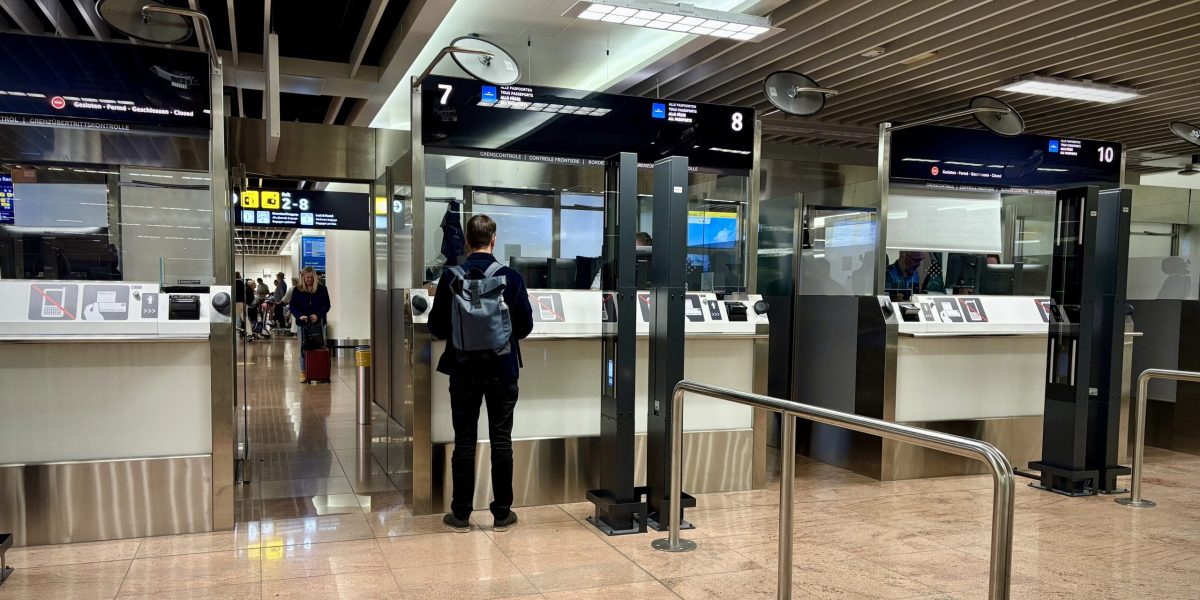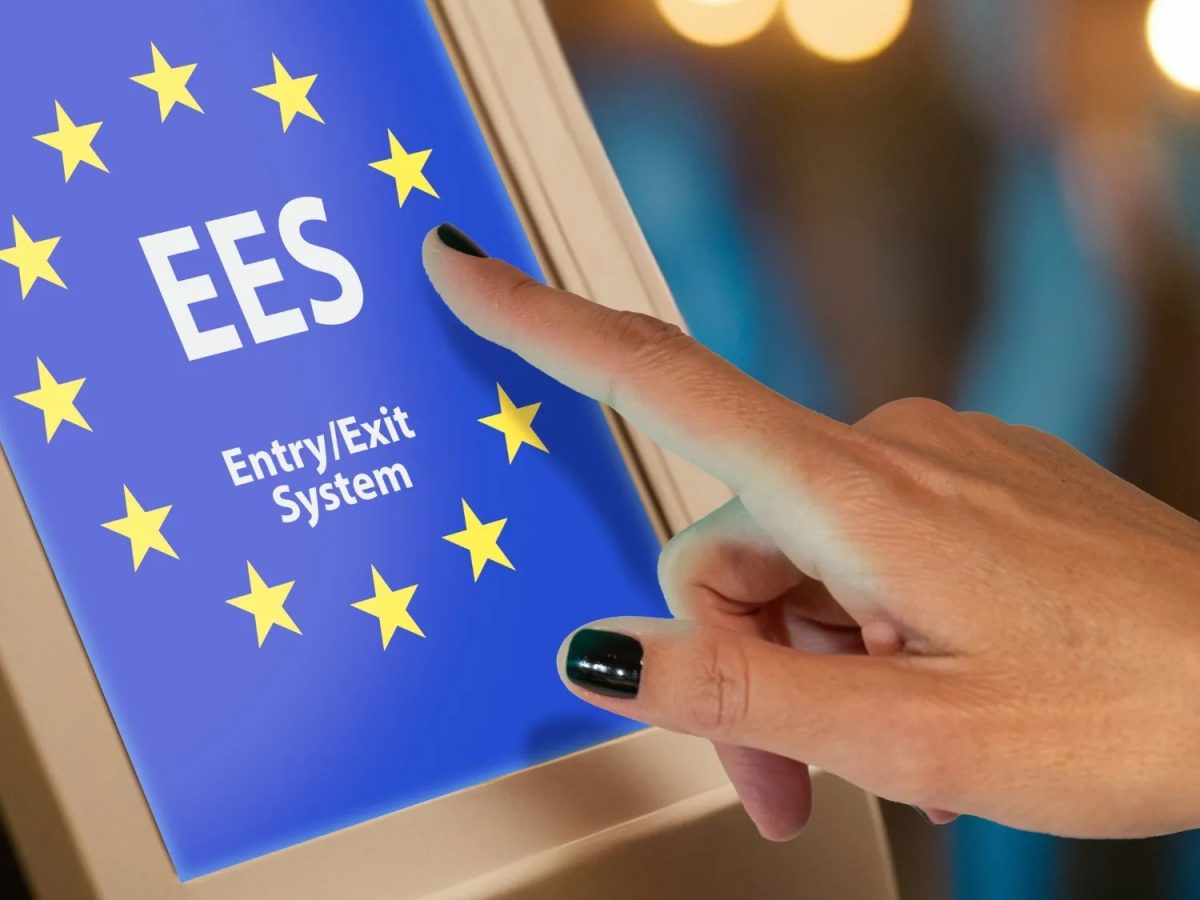
The dream of streamlined, modern European borders is colliding with reality in the worst possible way. The European Entry/Exit System (EES), which officially launched in April 2026 after a soft rollout in October 2025, was supposed to make crossing into the Schengen Area faster and smarter. Instead, travelers are reporting three to four hour waits at airports, missing flights, and asking themselves if Europe is even worth the hassle.
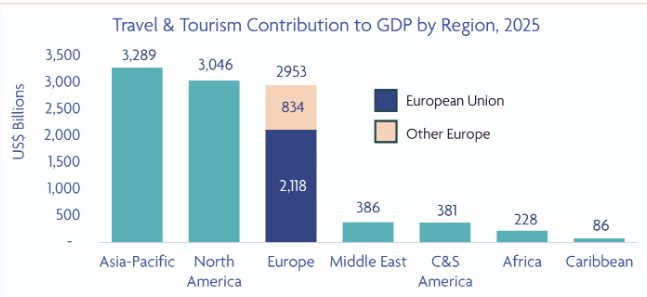
The numbers should worry anyone who cares about Europe's tourism economy. According to research commissioned by the World Travel and Tourism Council, if border delays become the norm this summer, roughly one-third of international visitors will either skip Europe entirely or drastically reduce their time there. That adds up to 41 million potential arrivals and $45.4 billion in spending hanging in the balance.
The EES itself is smart technology. The system ditches the old passport stamp routine in favor of biometric data collection for non-European visitors traveling through the 29 Schengen nations. It's free, it's designed to enhance security, and studies show most travelers actually understand and support the idea. The problem is the execution. Airports like Lisbon have become bottlenecks, with budget carriers like Wizz Air now recommending passengers arrive three hours before departure, rather than the standard two.
Who's getting cold feet
The WTTC surveyed 2,500 travelers from the US, Canada, the UK, and Australia. The results paint a clear picture of frustration spreading fast. British travelers are the most likely to reconsider a European trip (39%), followed closely by Americans and Canadians at 33% each. Even Australians, accustomed to long journeys, are balking, with 27% saying they'd skip Europe if three-hour border waits become standard.
What's striking is that few travelers even know this is happening. More than half have barely heard of EES, and nearly half have no idea what they'll need to do when they arrive. This knowledge gap is making people nervous. The system asks for fingerprints and a facial scan, which is perfectly normal for modern borders, but when passengers don't understand what to expect, anxiety builds and word-of-mouth goes negative fast.
The optimistic side
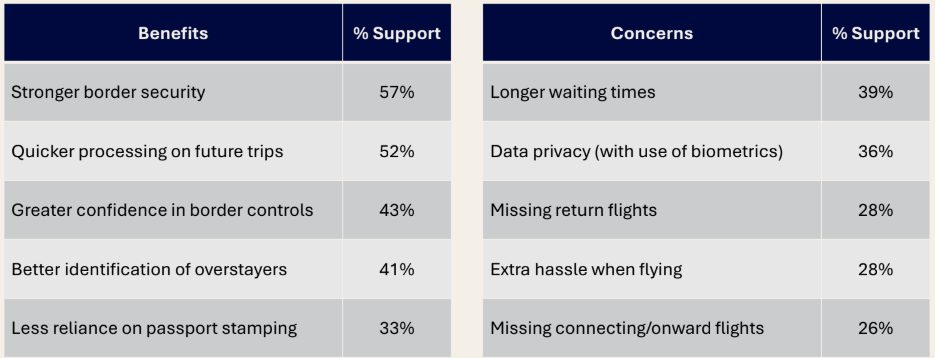
Here's the silver lining: travelers actually like the idea once they understand it. Sixty-five percent supported EES after learning about how it works. They appreciate stronger security (57% cited this as a benefit), the promise of faster future trips (52%), and greater confidence in border controls (43%). The system isn't the problem. Poor communication and unprepared infrastructure are.
Gloria Guevara, President and CEO of the WTTC, laid out the fix. Governments and border authorities need to accelerate digital pre-registration through the Travel to Europe app, launch a coordinated communication campaign aimed at key markets, and ensure every border crossing point has functioning equipment and adequate staffing. The reality is that travelers can prepare, but they need clear guidance and proper infrastructure to actually get through.
The EES will eventually improve border security and processing times for returning visitors. But 2026 is a critical window. If European capitals don't get this right before the summer rush hits, they risk poisoning the well for years. Tourism is a numbers game, and losing a third of international arrivals would be catastrophic. The technology is ready. The systems are built. What's missing is the will to make it work smoothly from day one.