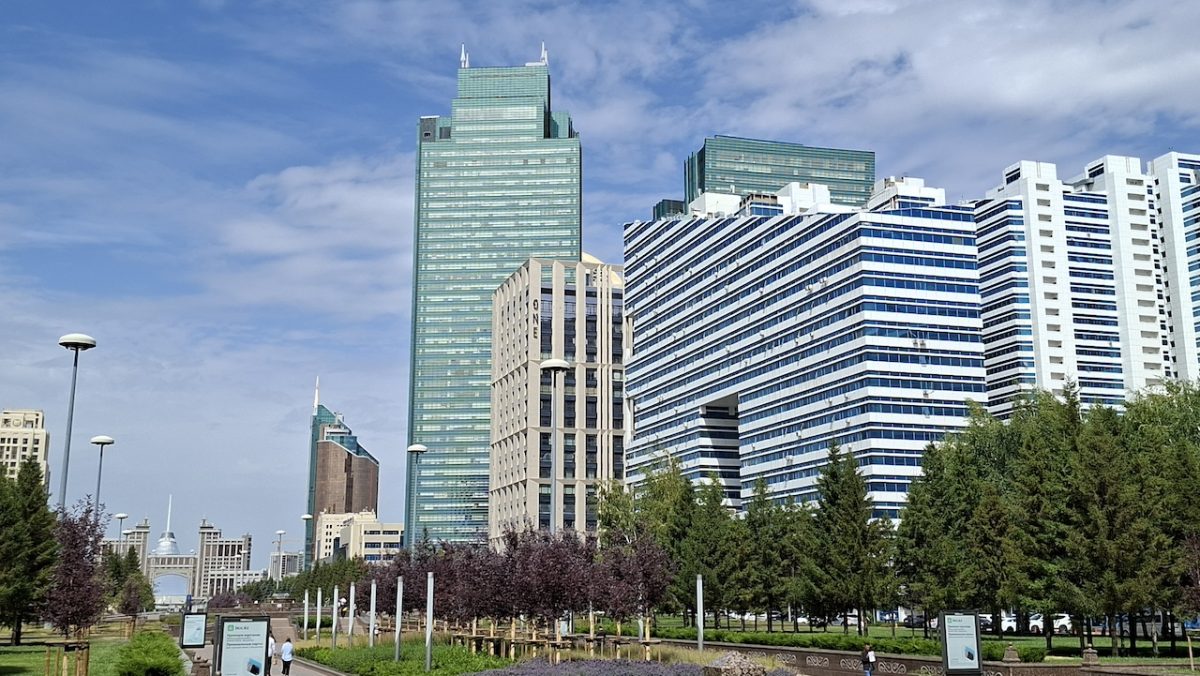
Astana just experienced a summer that would have been unimaginable a generation ago. On July 14, 2026, the capital's thermometer hit 39.5 degrees Celsius, obliterating a temperature record that had stood untouched for 34 years. But that wasn't even the worst of it. Earlier in June, another heatwave broke a record that had lasted over 80 years. The mercury keeps climbing, and as Kazakhstan becomes Central Asia's fastest-growing draw, the nation's brutal seasonal swings are becoming impossible to ignore.
What's happening in Astana and across Kazakhstan reflects a larger climate story: this nation is warming faster than nearly anywhere else on the planet. The culprit lies partly in geography. Nestled at the heart of the Eurasian continent and landlocked (sitting two to three thousand kilometers from any ocean), Kazakhstan lacks the moderating influence that water provides to coastal regions. Without maritime air to cool things down, the interior heats up with brutal efficiency. According to Kazakhstan's National Hydrometeorological Service, temperatures in western and southern regions could reach 45 degrees Celsius before the summer ends.
The health stakes are serious. Over three-quarters of Kazakhstan faces climate-related risks that directly threaten human wellbeing, and simple interventions like reflective roofing can save lives during extreme heat. The World Health Organization's regional director warns that Kazakhstan and neighboring Uzbekistan will see the steepest increases in heat-related deaths across Central Asia in coming years, even under moderate climate scenarios. Public health teams have been issuing continuous heat alerts as vulnerability spreads, particularly among elderly residents and those without reliable air conditioning.
When Water and Crops Start Disappearing
The heat brings cascading problems that ripple through seasons and sectors. Extreme temperatures create drought conditions that invite wildfires. Earlier snowmelt throws off the timing of spring floods, forcing water reservoirs to stretch further into drier months. When moisture can't soak into parched soil, crops suffer. This matters far beyond Kazakhstan's borders because the nation is one of the world's largest wheat exporters. A significant harvest failure reverberates through global grain markets and food security calculations.
For travelers considering a visit to Kazakhstan, a destination that has emerged from relative obscurity, summer planning requires serious reconsideration. The traditional peak season increasingly means battling life-threatening temperatures. Spring and autumn offer more comfortable conditions, though wildfire smoke in fall can affect air quality across the country. Winter brings its own challenges with extreme cold and snow, but that's when Kazakhstan's dramatic landscapes shine without the oppressive heat.
What Experts Say Needs to Happen Now
Health authorities are calling for something that hasn't existed yet: comprehensive heat-health action plans that anticipate climate threats rather than scramble to respond to them once summer arrives. The WHO's regional director has been blunt: every country needs these plans before the next summer, not during it. Kazakhstan's government has acknowledged the water shortage threats and agricultural risks, but moving from acknowledgment to action requires resources and coordination that developing nations sometimes struggle to mobilize quickly.
For travelers, this emerging reality offers a different lens on visiting. Even as Kazakhstan invests in protecting its wilderness areas, the climate backdrop is shifting. The nation's dramatic landscapes, from steppe to mountains, won't disappear, but the optimal windows for experiencing them are narrowing and changing. Tour operators are already adjusting itineraries and recommended travel dates. Visitors who have always assumed summer meant peak travel season should reconsider. The old rules don't apply anymore.
This is not a reason to avoid Kazakhstan entirely. Rather, it's a reason to plan smarter. Talk to local guides about current conditions before booking. Factor in air quality during wildfire season. Choose spring or autumn. Bring electrolyte supplements. Stay hydrated obsessively. Travel during early morning or late afternoon when temperatures drop. These aren't optional precautions anymore, they're basic survival sense. Kazakhstan remains geographically stunning and culturally rich, but the climate is becoming a real part of the equation travelers can no longer ignore.